Cardamom Farming

The Premium & Fragrant Spice Crop with Strong Global Demand
High Value Spice Crop Growing Export Demand Profitable Agro Investment
BOTANICAL NAME
Elettaria Cardamomum
HARVEST CYCLE
3 – 4 Years
SUITABLE CLIMATE
Tropical Humid
MARKET VALUE
Premium Value Spice
PLANTATION DENSITY
800 – 1000 Plants/Acre

About Cardamom

Cardamom farming is a premium spice crop known for its rich aroma, medicinal value, and strong global demand. Widely used in beverages, cooking, and wellness products, it thrives in tropical humid climates.
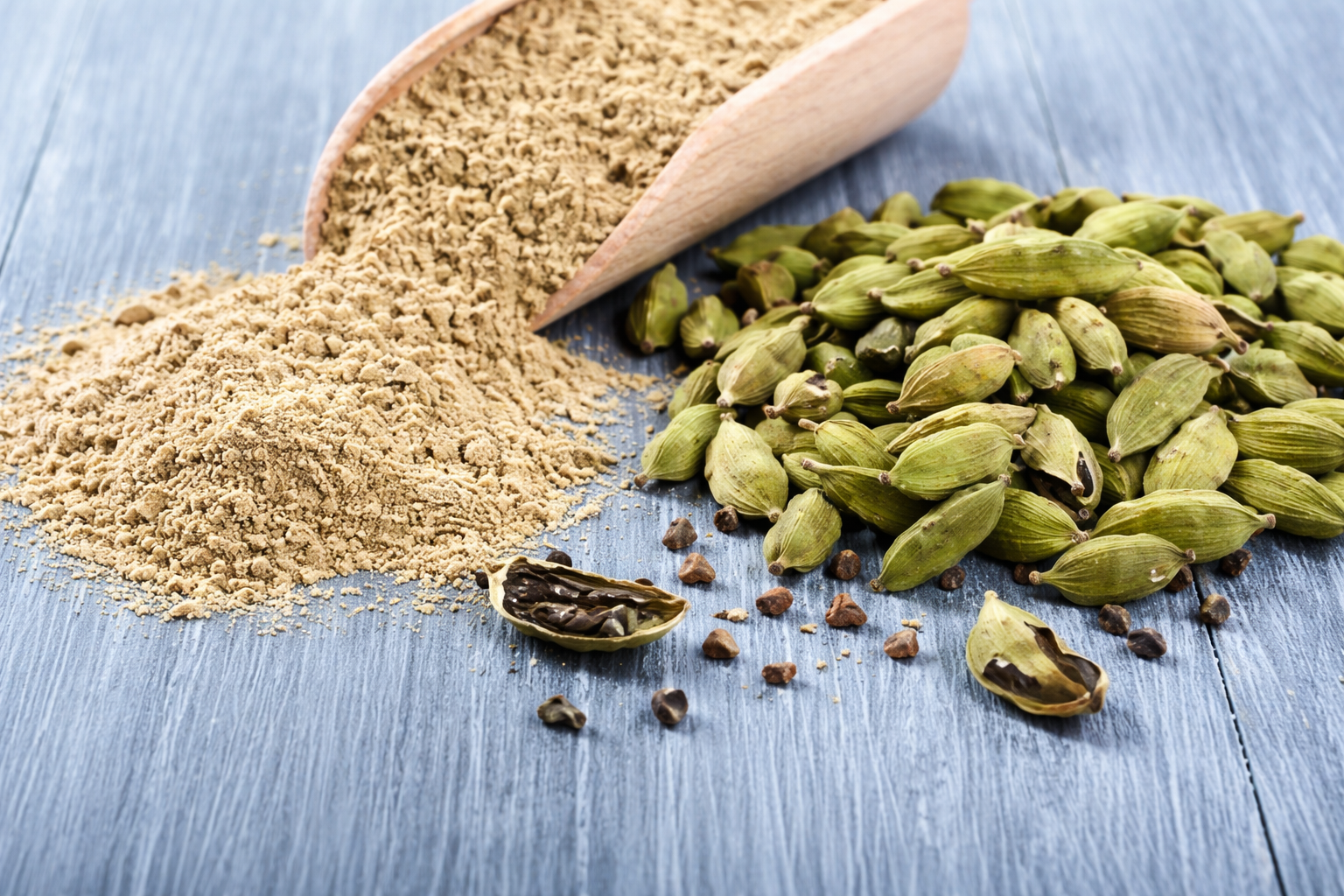
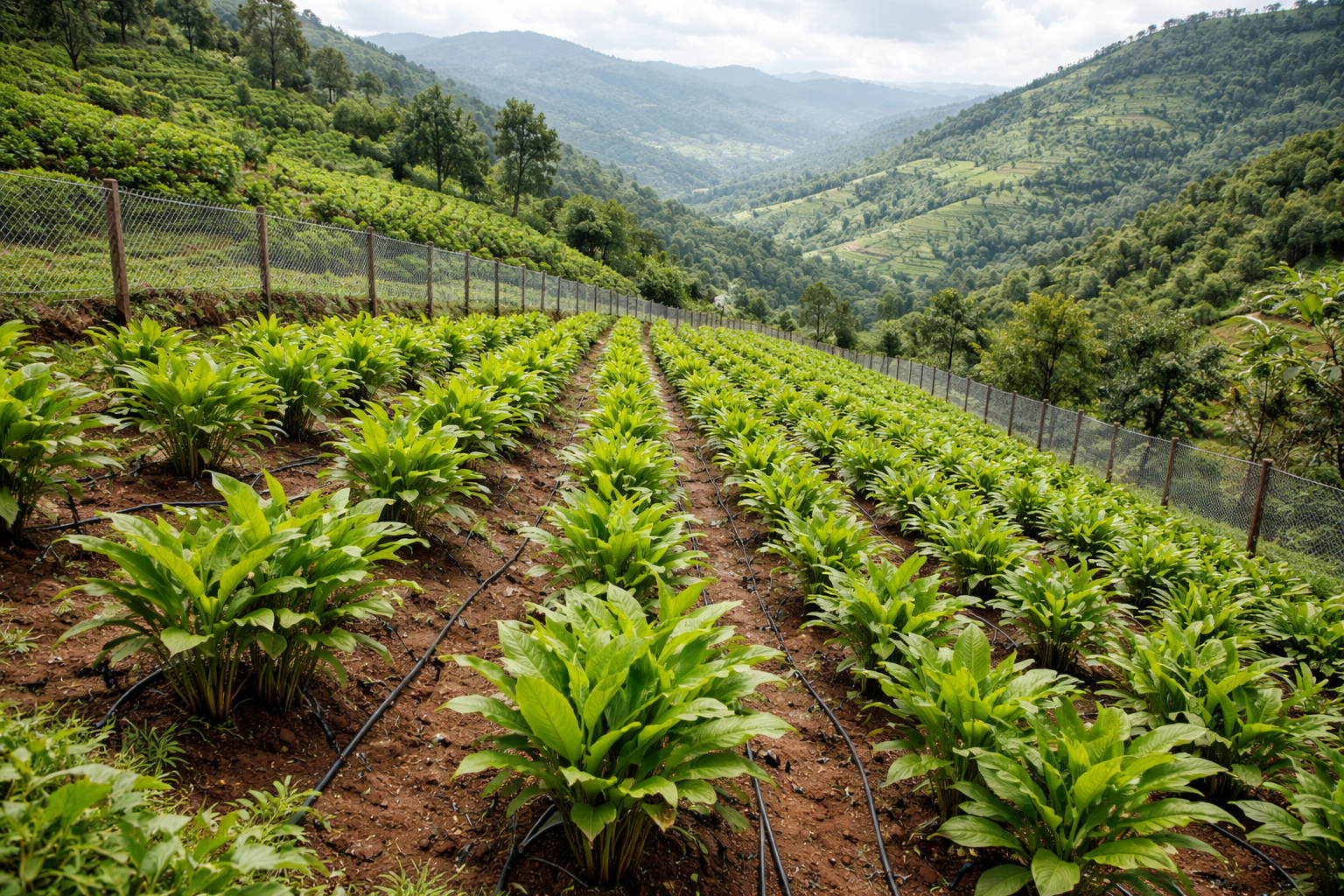
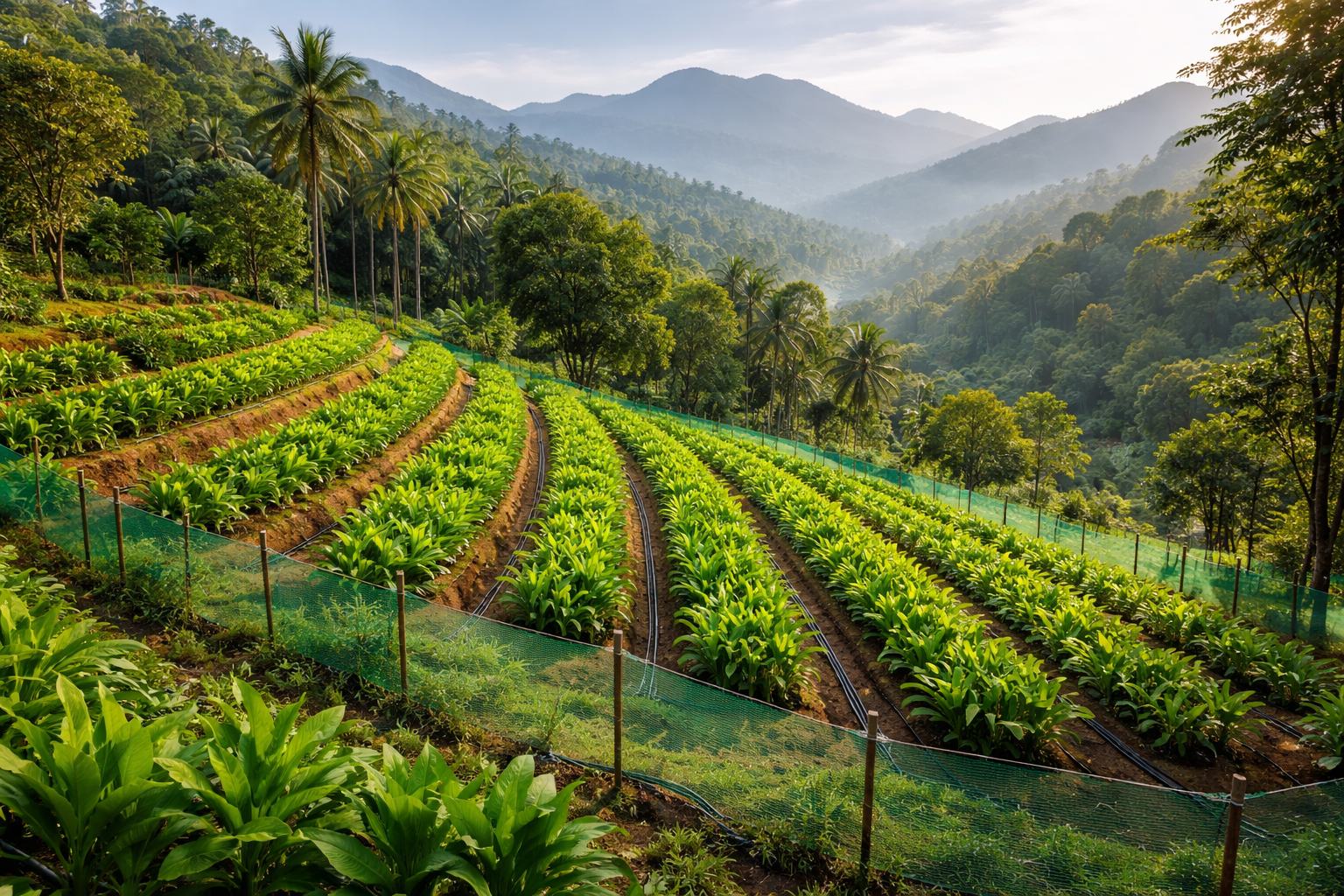
Cardamom Plantation

Premium green pods for spice, medicinal, and export markets.
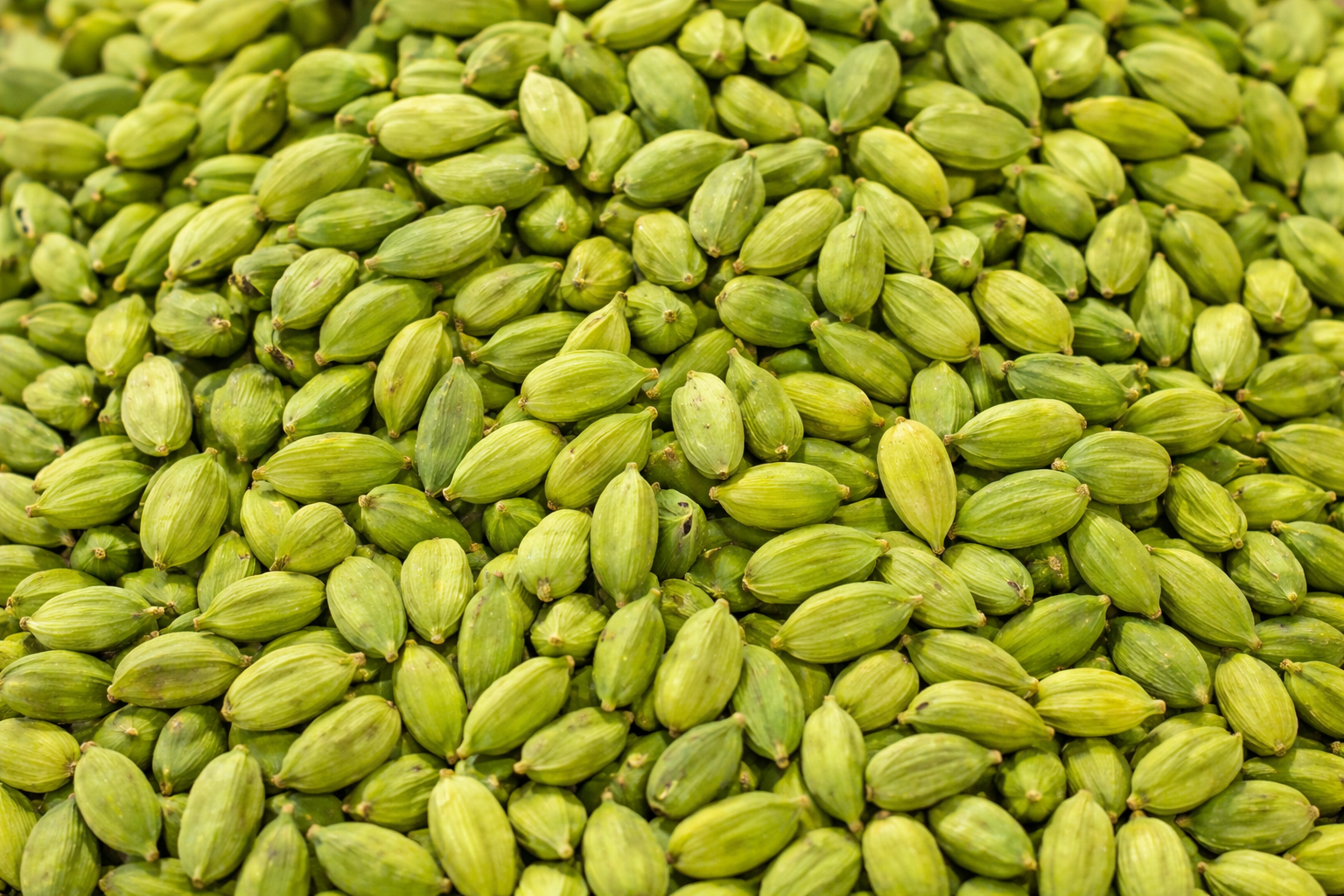
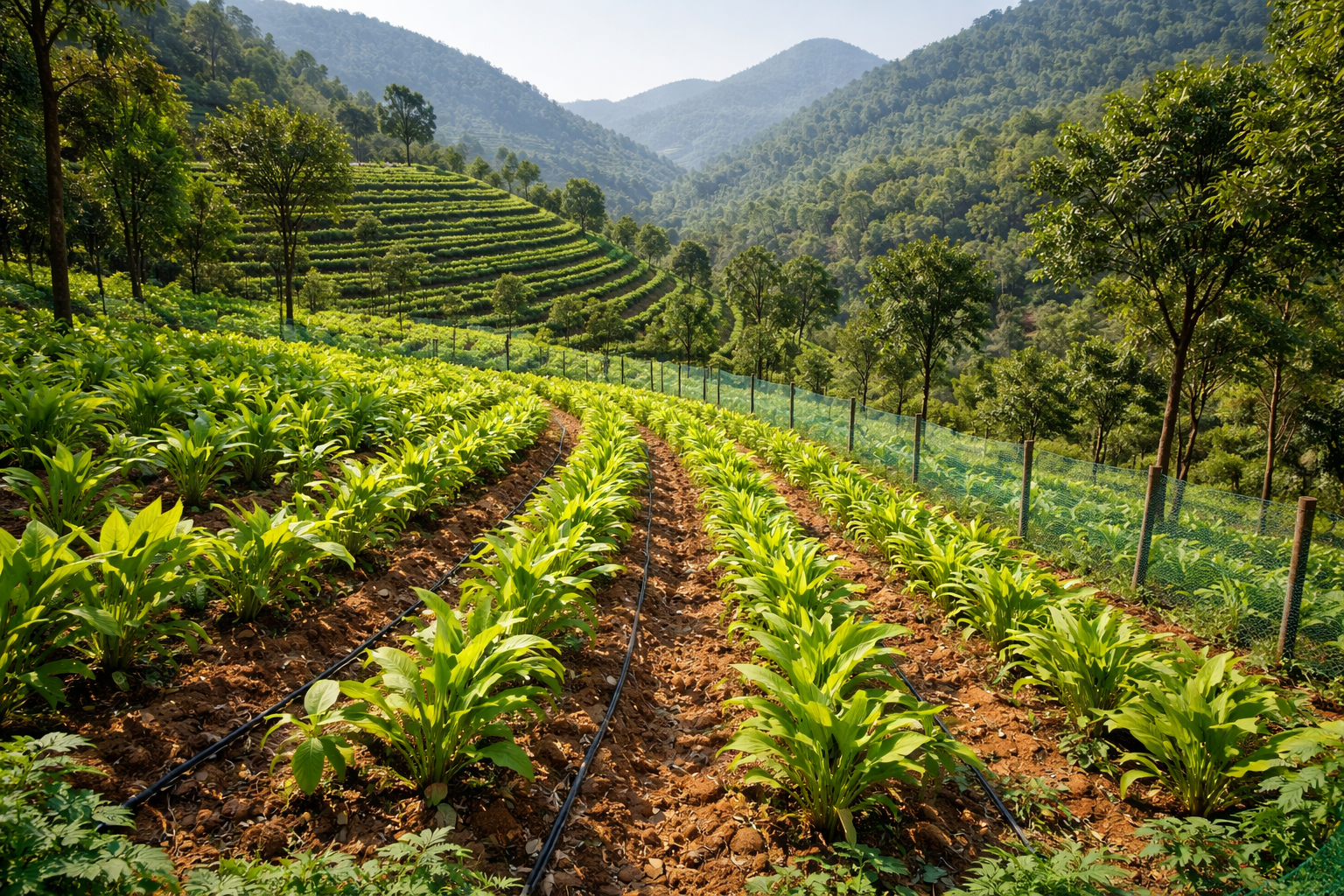
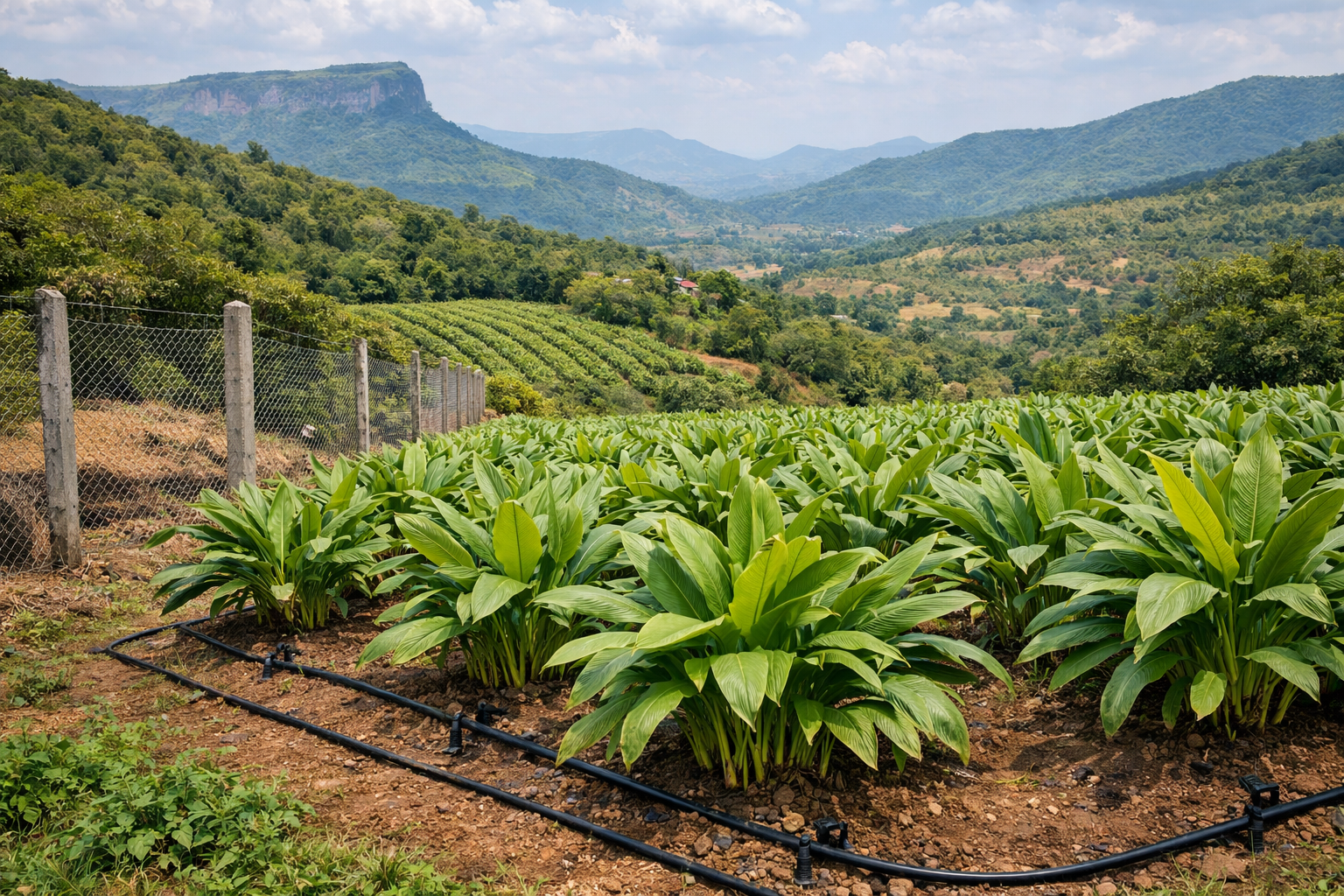
Cardamom Growth

High-demand crop in culinary, beverage, and global trade sectors.
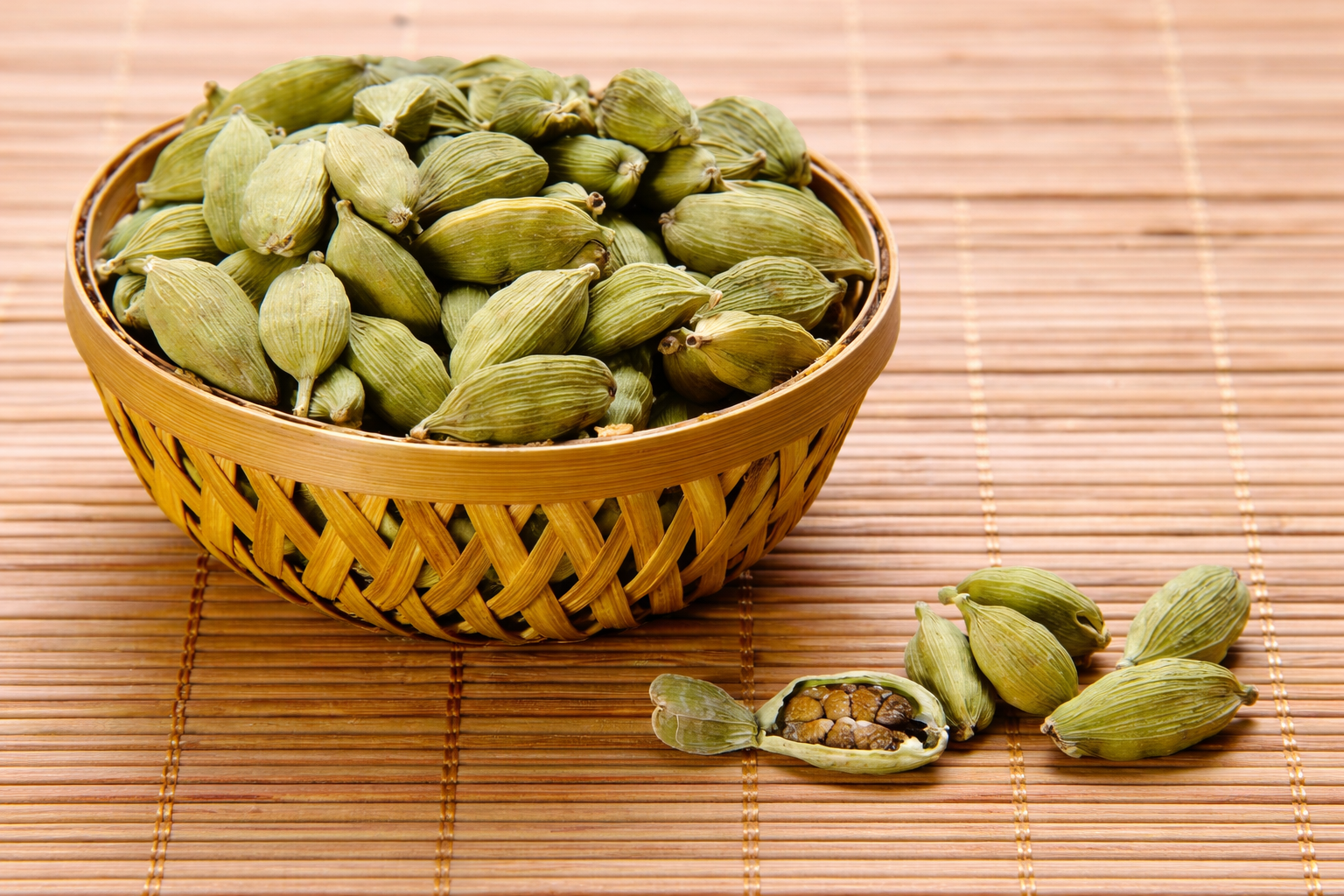
Cardamom Processing

Long-term plantation farming with consistent income potential.

Cardamom Farming Requirements

Sundarban Cardamom Farming Requirements

Cardamom farming is a premium spice cultivation known for its high market value, export demand, and aromatic pods widely used in culinary, beverage, and medicinal industries, offering long-term sustainable income potential.

1. Climate Requirements

Temperature: Ideal range 15°C to 35°C.

Humidity: Requires high humidity (70–90%).

Rainfall: 1500–3000 mm annually.

Light: Thrives under partial shade conditions.

2. Soil Requirements

Type: Rich loamy or forest soil preferred.

pH Level: Ideal pH 5.0 – 6.5.

Drainage: Well-drained soil is essential.

Organic Matter: High organic content required.

3. Land Preparation

Clearing: Remove weeds and excess shade plants.

Pit Preparation: Pits enriched with compost mix.

Soil Mix: Add FYM and organic manure.

Shade Setup: Maintain natural shade trees.

4. Plantation & Spacing

Spacing: 2 m × 2 m recommended.

Density: 800–1000 plants per acre.

Season: Planting during monsoon season.

Planting Material: Healthy suckers or seedlings.

5. Water Management

Irrigation: Regular and consistent watering needed.

Drip System: Highly efficient and recommended.

Moisture: Maintain continuous soil moisture.

Drainage: Avoid water stagnation at roots.

6. Nutrient Management

Organic Matter: Apply compost and mulch regularly.

Fertilizers: Balanced NPK application required.

Micronutrients: Magnesium and zinc beneficial.

Schedule: Apply nutrients in split doses.

7. Plant Care & Maintenance

Weeding: Regular weed control essential.

Mulching: Helps retain moisture and nutrients.

Shade Control: Maintain optimal shade levels.

Interculture: Promote healthy plant growth.

8. Pest & Disease

Pests: Thrips, borers, and aphids common.

Diseases: Capsule rot and fungal infections.

Control: Use integrated pest management.

Prevention: Maintain field hygiene.

9. Harvesting & Post Harvest

First Harvest: Starts after 2.5–3 years.

Maturity: Harvest when capsules turn green.

Harvest: Hand picking at regular intervals.

Post Harvest: Curing, drying, and grading pods.

Plantation Development Process

1

Land Preparation

Clearing undergrowth, retaining shade trees, and enriching soil with organic matter for cardamom cultivation.

2

Pit Preparation Setup

Digging pits and filling with compost, topsoil, and manure to support strong root establishment.

3

Plantation & Spacing

Planting suckers with proper spacing ensures shade balance, airflow, and optimal capsule yield.

4

Irrigation Setup

Drip irrigation or sprinkler system maintains consistent moisture required for healthy growth.

5

Crop Management

Mulching, shade regulation, weeding, and nutrient application ensure vigorous plant development.

6

Harvest & Processing

Harvesting green capsules followed by curing, drying, and grading for premium market quality.

Plantation Gallery

Plantation Gallery

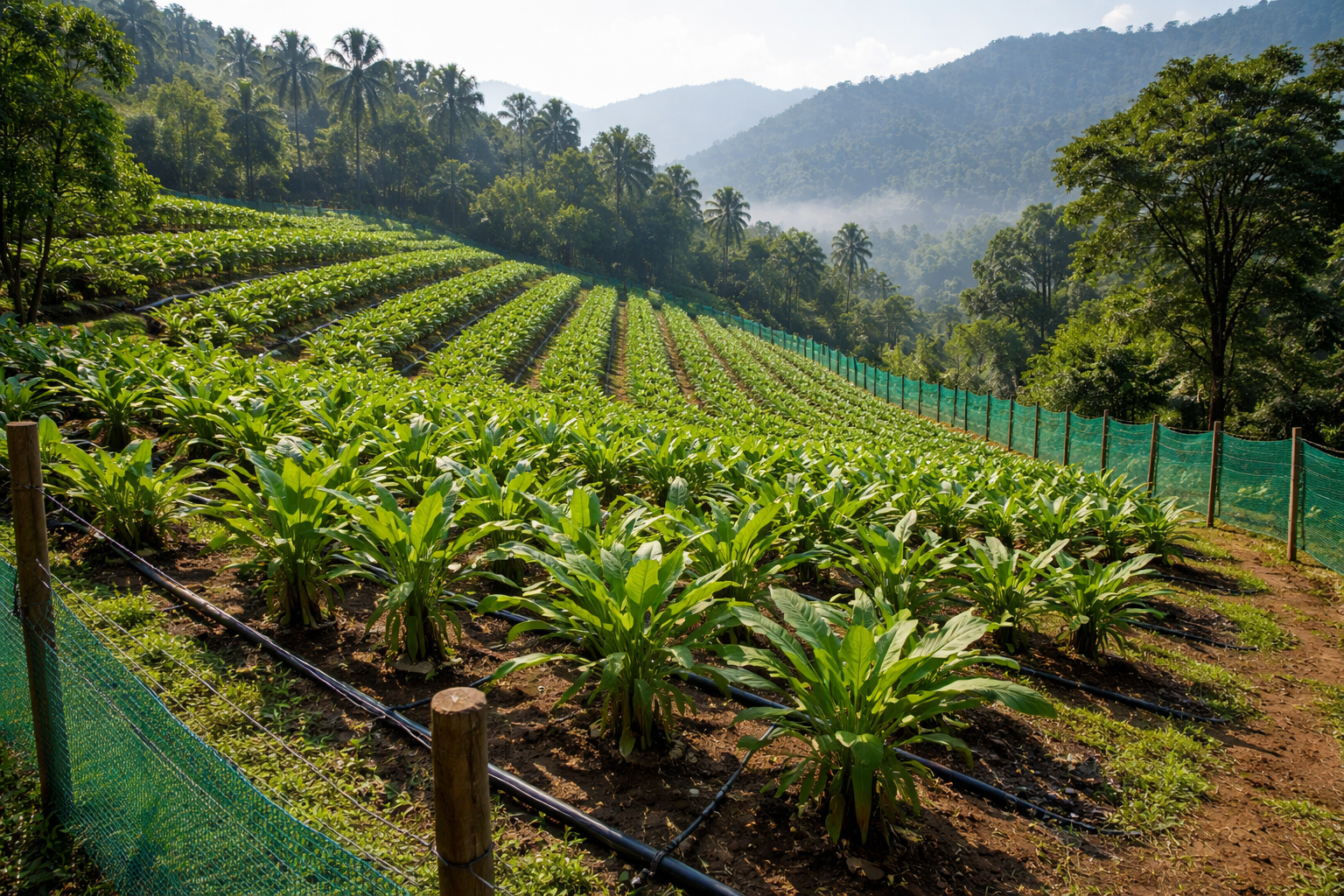
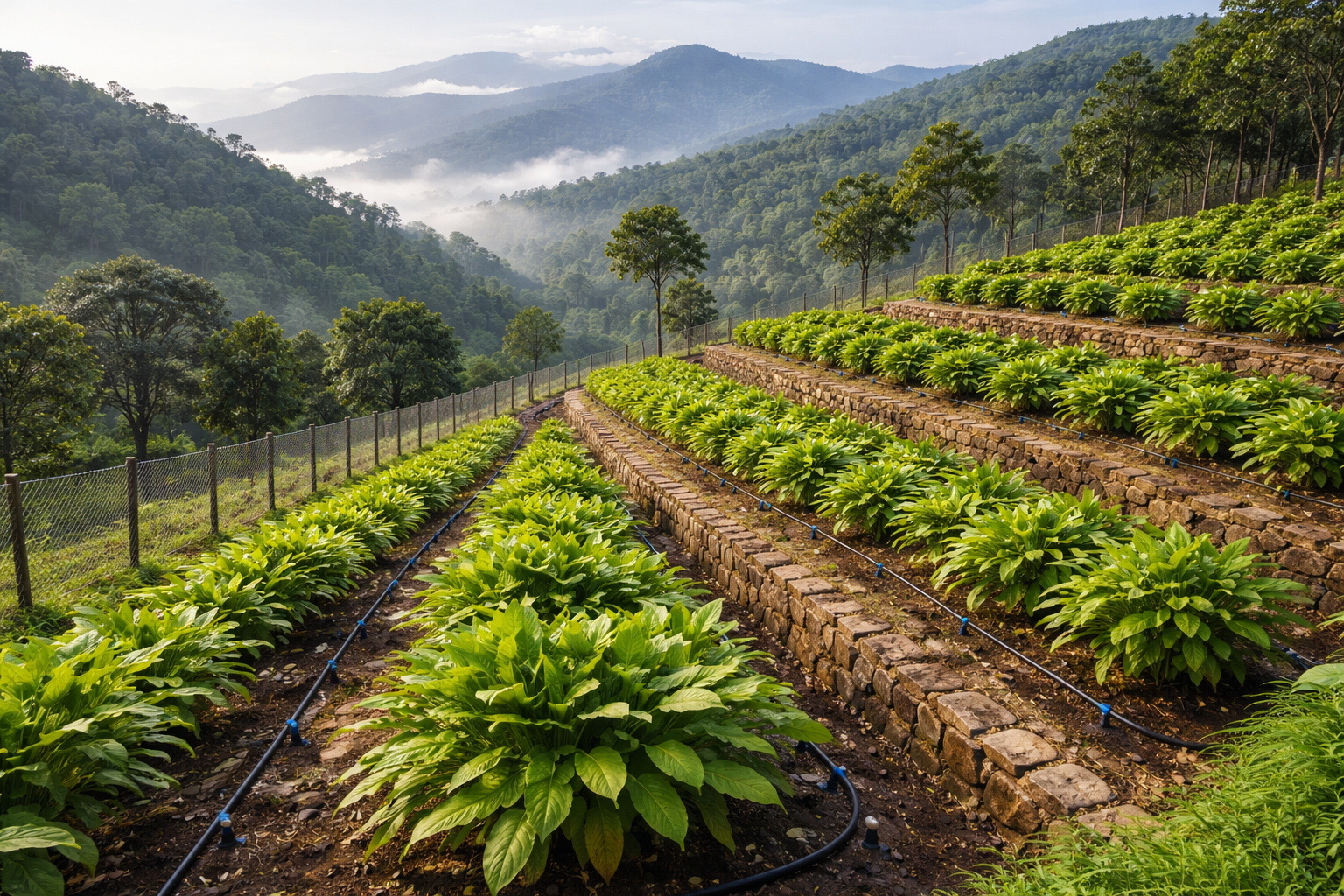
Farm Layout & Infrastructure
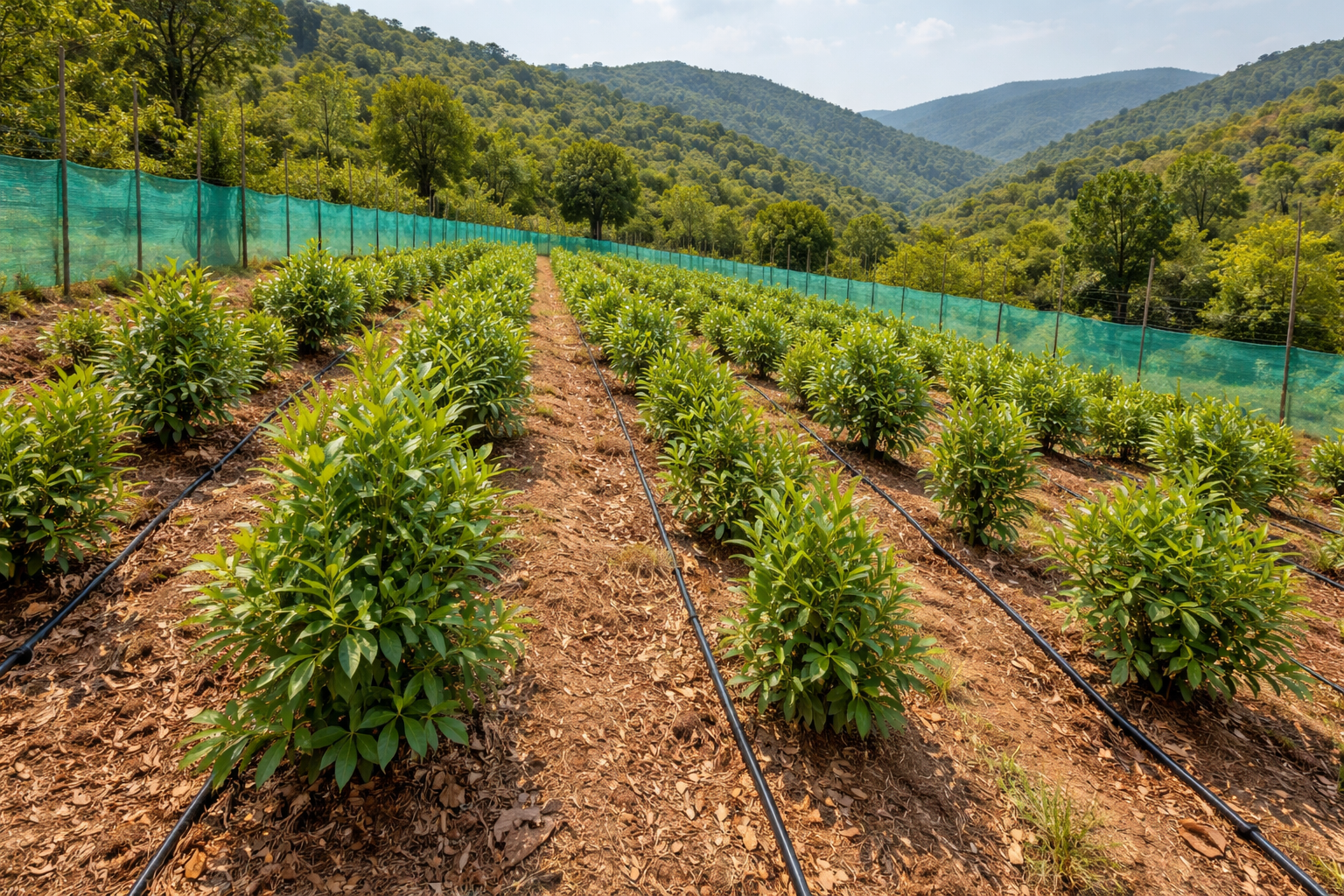
A well-designed cardamom farm focuses on shaded plantation under natural tree cover, proper spacing, and rich organic soil. Plants are established using suckers in prepared pits with compost for strong root development. Consistent moisture through drip irrigation and heavy mulching helps maintain soil humidity. Shade regulation, weed control, and nutrient management are essential for healthy growth, high capsule yield, and long-term plantation sustainability.

Value Potential

Plants per Acre
800 – 1000
Harvest Period
2.5 – 3 Years
Market Demand
High demand in spice, export, and premium beverage markets
High Value Crop
Premium spice crop with strong export and price potential
Investment ROI Potential
₹4L – ₹12L / Acre (Long-Term Range)
Cardamom farming offers high-value returns due to strong domestic and export demand. After 2.5–3 years of establishment, plants produce capsules annually for many years

Explore Other Plantations
Mango Farm
Bamboo
Macadamia
Sandalwood

Visit Our FarmLands

Experience the farms personally and understand the managed plantation model firsthand.

Frequently Asked Questions

What is the Cardamom cultivation cycle?
Cardamom plants start yielding capsules after 2.5–3 years of planting. Once established, they produce harvests annually for 8–12 years with proper shade, irrigation, and farm management.
How many Cardamom plants can be grown per acre?
Typically, 800 to 1000 cardamom plants are grown per acre depending on spacing, shade conditions, and plantation design to ensure optimal growth and yield.
Who manages the Cardamom farm?
Professional farm management includes shade regulation, sucker plantation, irrigation setup, mulching, nutrient application, pest control, and continuous monitoring for healthy crop development.
What is the expected Cardamom yield?
A well-maintained cardamom plantation produces green capsules annually after maturity, with yield depending on plant age, climate, shade management, and overall farm practices.
Can investors visit the Cardamom farm?
Yes. Visitors and investors can schedule farm visits to understand cardamom cultivation, shade-grown plantation systems, harvesting processes, and commercial spice farming operations.

Let’s Build Your Farm Investment

Contact Us
First
Last