Black Pepper Farming
About Black Pepper
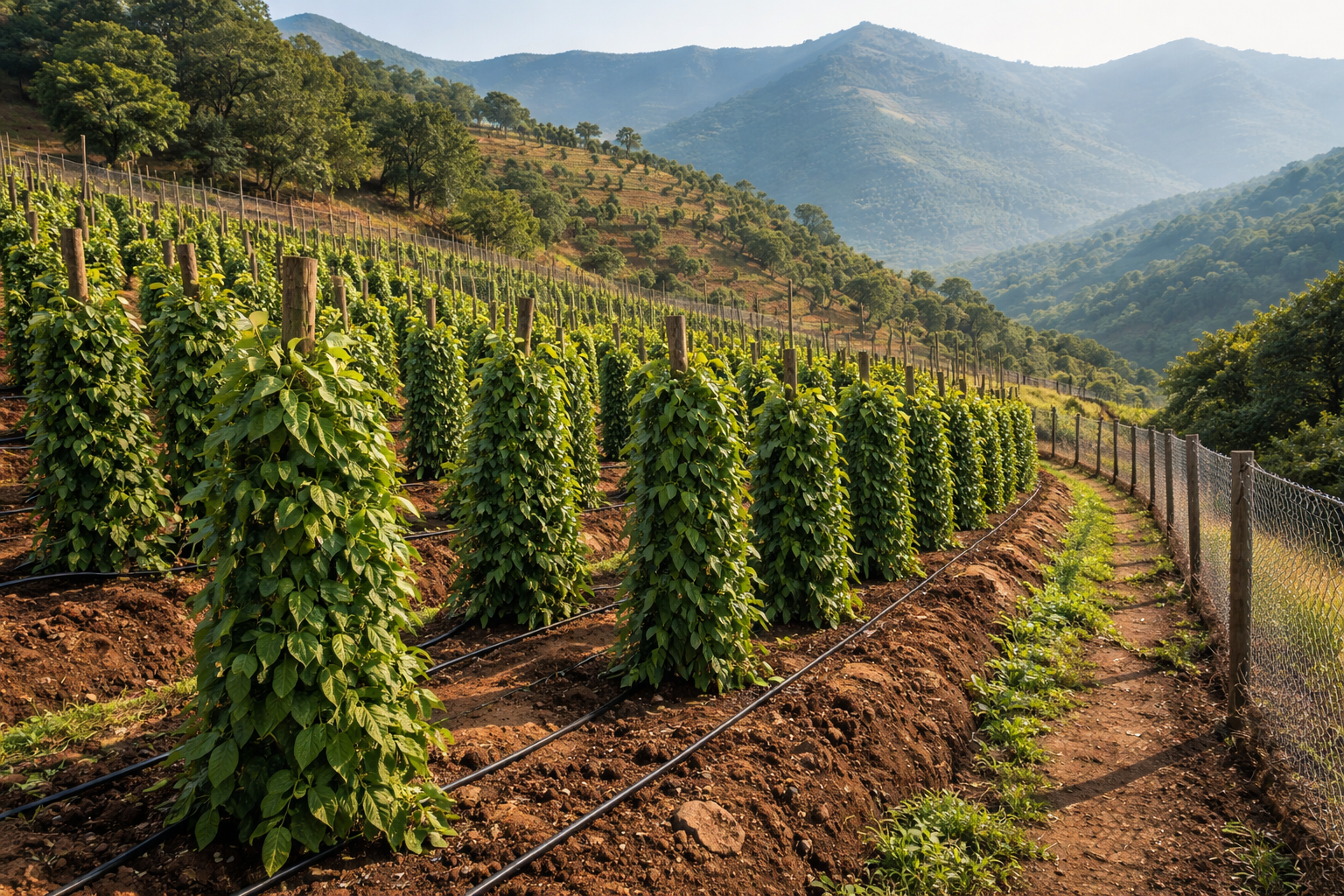
Black pepper farming is a premium spice crop valued for its bold flavor, medicinal benefits, and strong global demand. Widely used in cooking, processing, and export markets, it thrives in humid tropical climates.
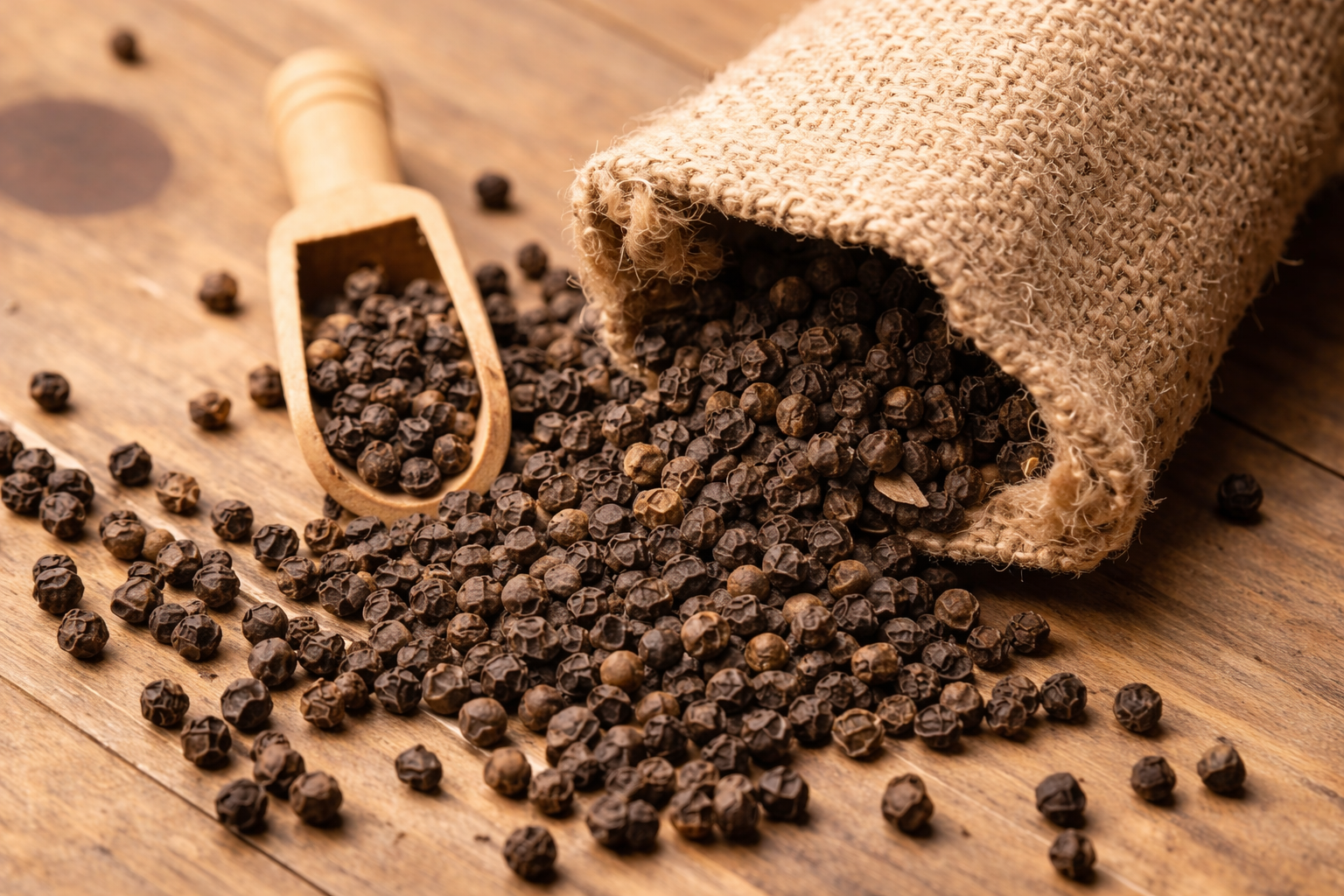
High-quality berries used in spice, oil, and export industries.
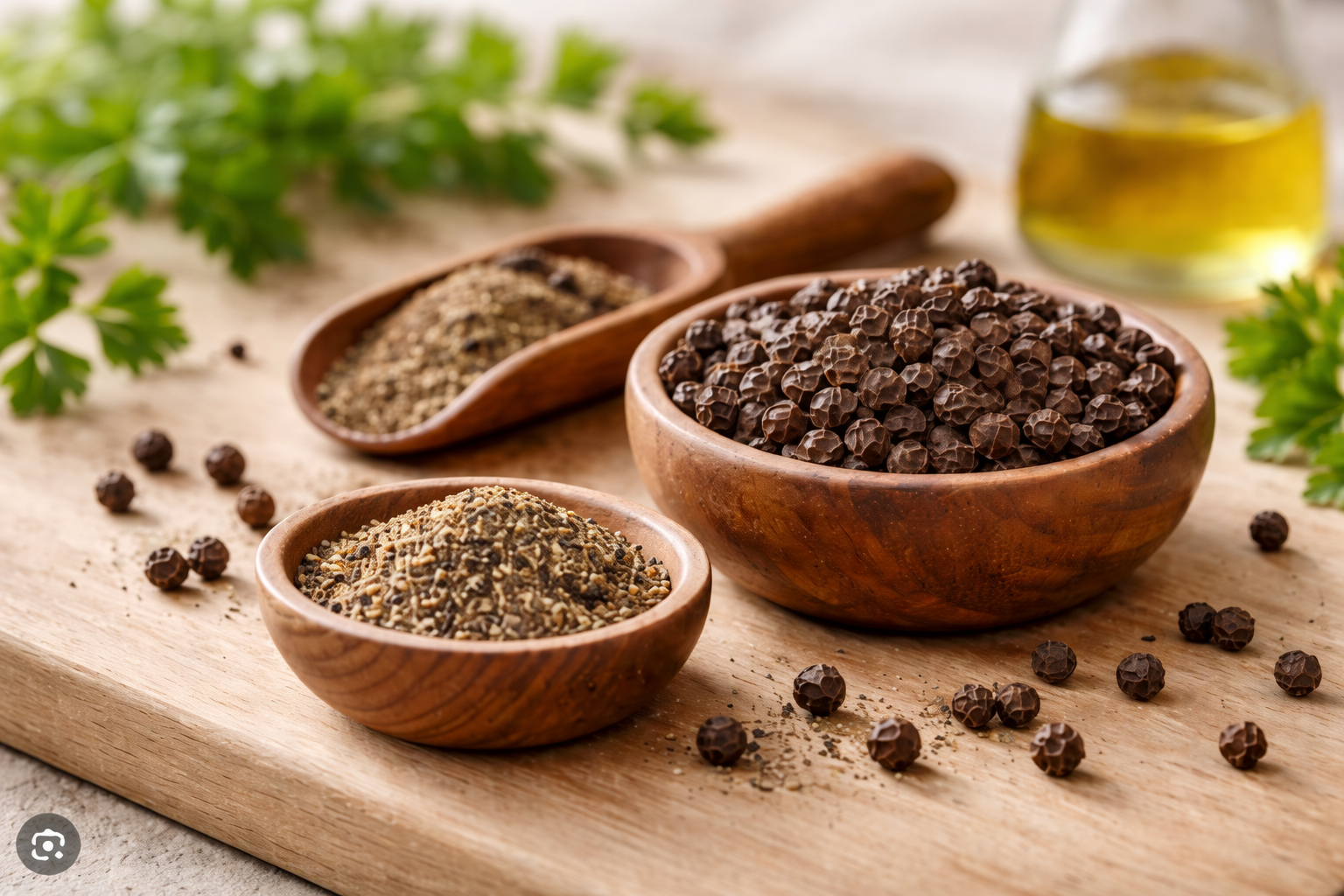
Growing demand across culinary, pharmaceutical, and wellness sectors.

Climbing vine crop offering stable and high return potential.
Sundarban Black Pepper Farming Requirements
Black pepper farming is a high-value spice cultivation known as the “King of Spices,” widely used in culinary, pharmaceutical, and export industries, offering strong market demand and consistent long-term income potential.
1. Climate Requirements
Temperature: Ideal range 23°C to 32°C.
Humidity: Requires high humidity (70–90%).
Rainfall: 2000–3000 mm annually.
Light: Prefers partial shade conditions.
2. Soil Requirements
Type: Well-drained loamy or laterite soil.
pH Level: Ideal pH 5.5 – 6.5.
Drainage: Essential to prevent root rot.
Organic Matter: High organic content preferred.
3. Land Preparation
Clearing: Remove weeds and debris.
Pit Preparation: 50×50×50 cm pits prepared.
Soil Mix: Add compost and FYM.
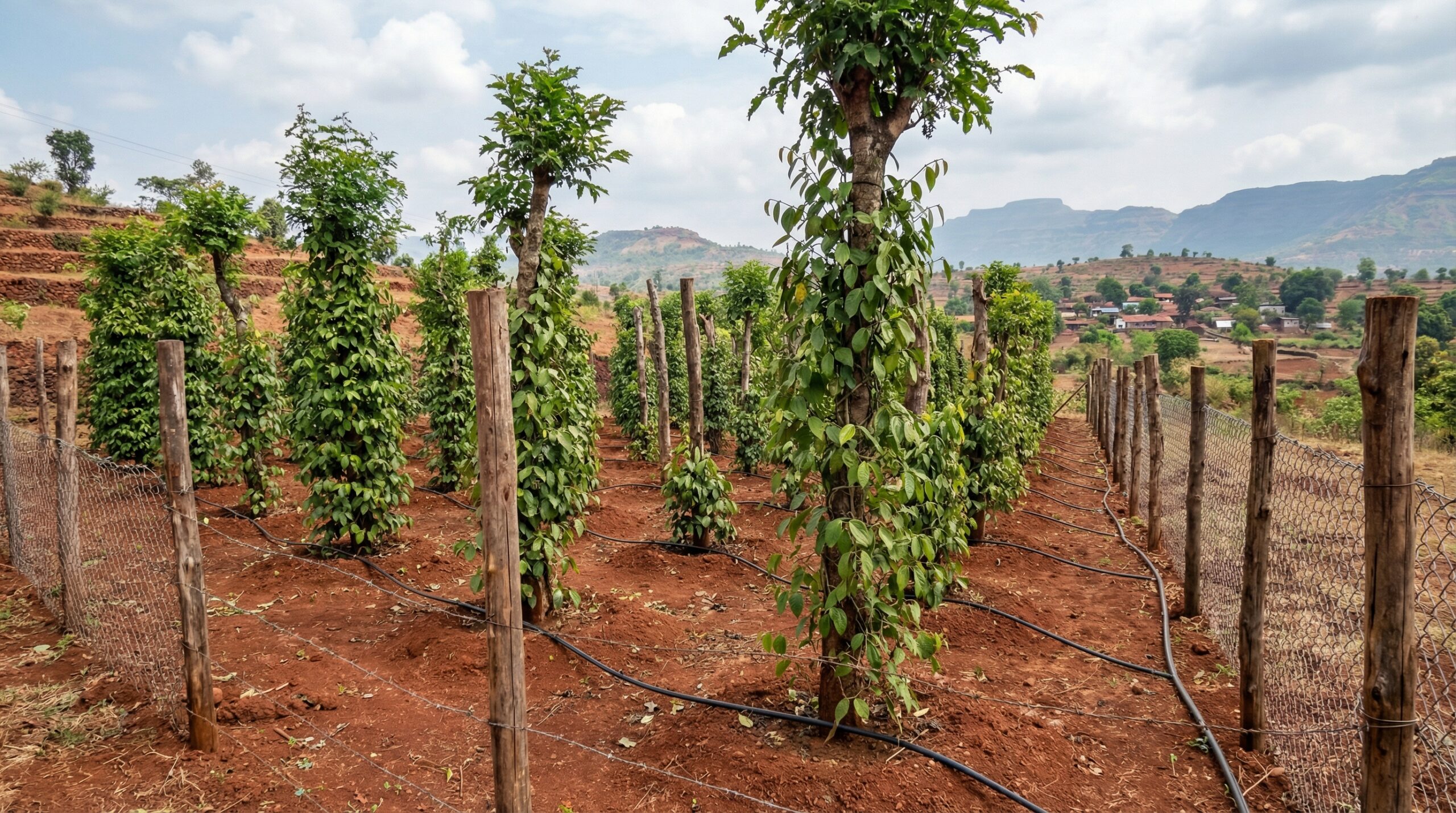
Support System: Provide live support trees.
4. Plantation & Spacing
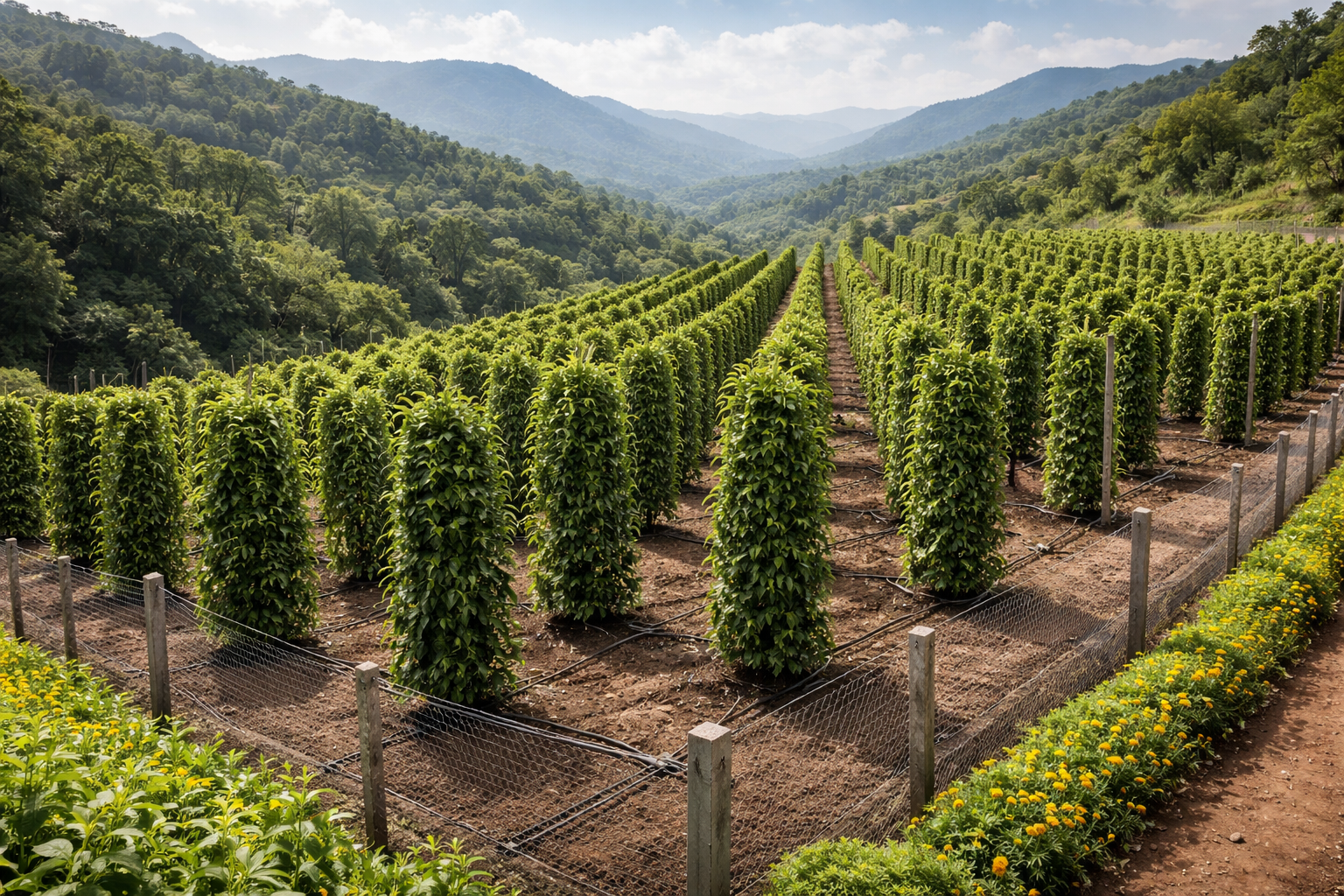
Spacing: 2.5 m × 2.5 m recommended.
Density: 1000–1200 vines per acre.
Season: Planting during monsoon.
Planting Material: Healthy rooted cuttings.
5. Water Management
Irrigation: Regular watering in dry season.
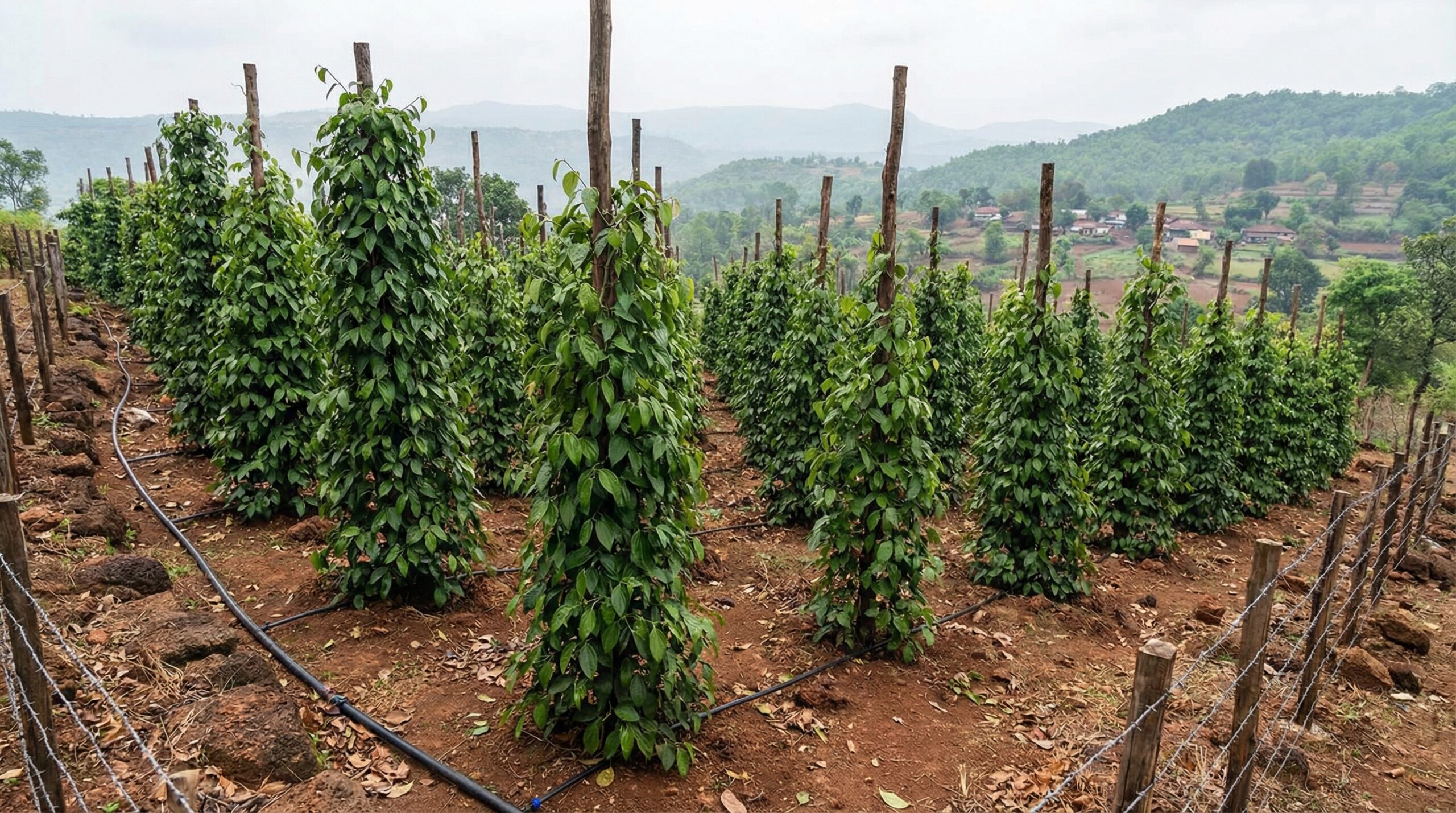
Drip System: Highly recommended.
Moisture: Maintain consistent soil moisture.
Drainage: Avoid waterlogging strictly.
6. Nutrient Management
Organic Matter: Apply compost and mulch.
Fertilizers: Balanced NPK required.
Micronutrients: Magnesium and zinc helpful.
Schedule: Split application annually.
7. Plant Care & Maintenance
Training: Vines trained on support trees.
Mulching: Conserves moisture.
Weeding: Regular removal required.
Pruning: Remove excess and weak shoots.
8. Pest & Disease
Pests: Pollu beetle and scale insects.
Diseases: Quick wilt and foot rot.
Control: Integrated pest management.
Prevention: Ensure proper drainage.
9. Harvesting & Post Harvest
First Harvest: Starts after 3–4 years.
Maturity: Berries turn red when mature.
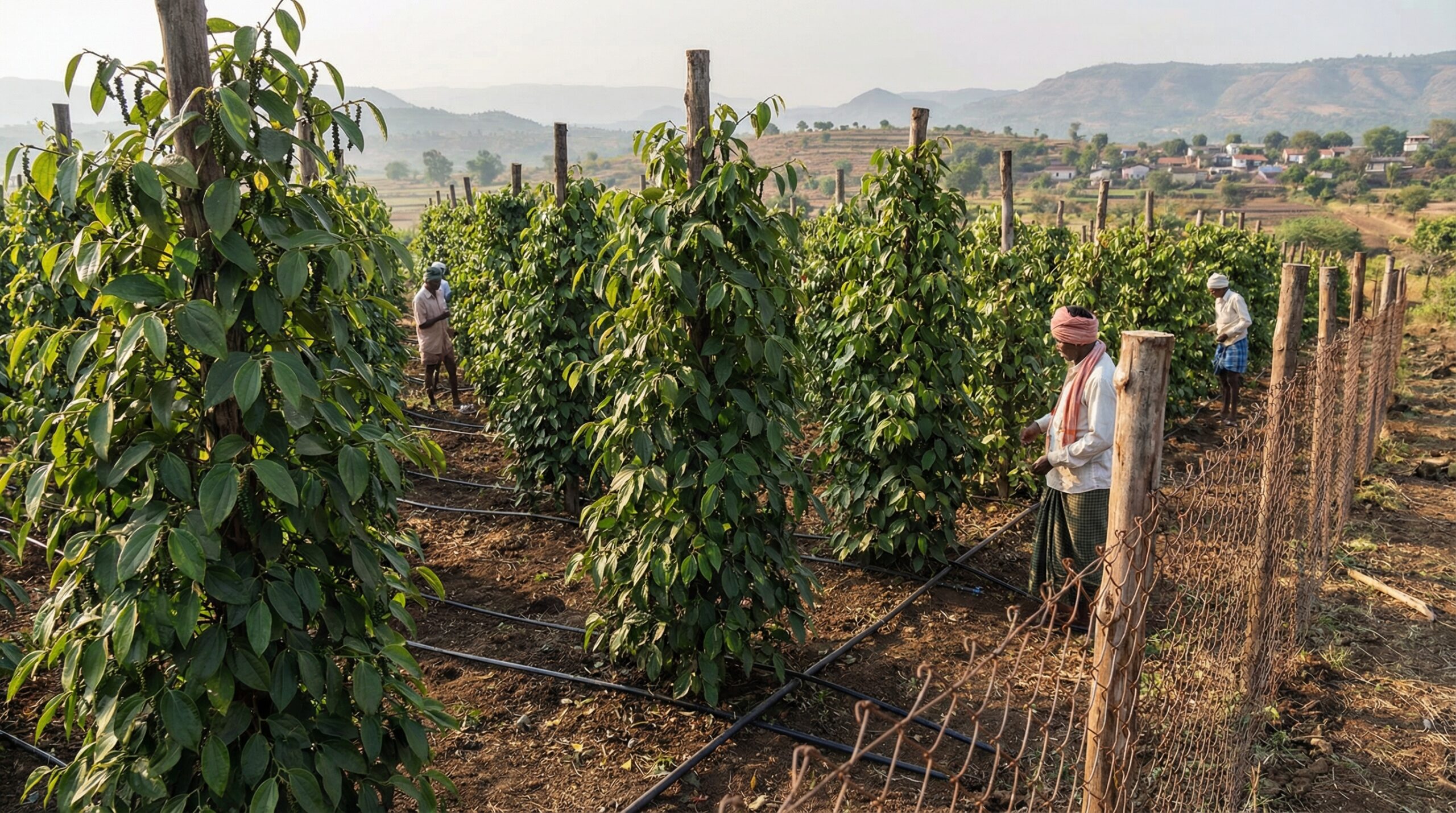
Harvest: Hand picking of spikes.
Post Harvest: Drying to produce black pepper.
Plantation Development Process
Land Preparation
Clearing weeds, ensuring drainage, and enriching soil with organic matter for pepper plantation.
Pit Preparation Setup
Digging pits and filling with compost, soil, and manure for strong vine establishment.
Plantation & Spacing
Planting healthy cuttings with proper spacing ensures vine growth and better yield.
Irrigation Setup
Drip irrigation helps maintain soil moisture, especially during dry climatic periods.
Crop Management
Training vines, mulching, nutrient supply, and weed control ensure steady crop growth.
Harvest & Processing
Harvesting mature spikes, followed by drying and processing to produce quality pepper.
Plantation Gallery
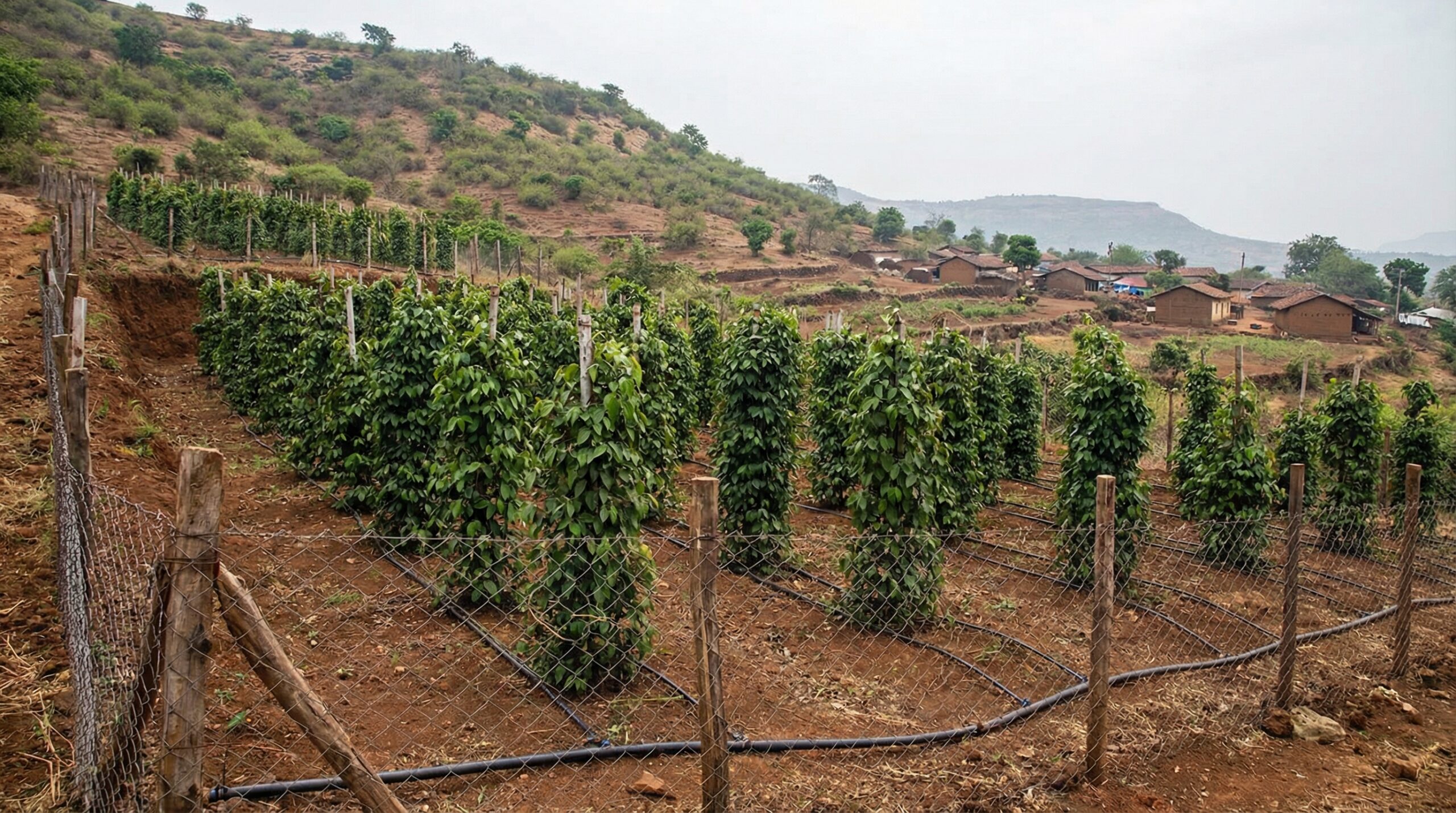
Farm Layout & Infrastructure
Value Potential
Explore Other Plantations
Visit Our FarmLands
Experience the farms personally and understand the managed plantation model firsthand.
Frequently Asked Questions
Black pepper vines start yielding after 3–4 years of planting. Once established, they produce berries annually and can remain productive for many years with proper care and management.
Typically, 1000 to 1200 pepper vines are planted per acre using proper spacing and support systems to ensure healthy growth, airflow, and consistent long-term productivity.
Professional farm management includes planting quality cuttings, irrigation setup, vine training, mulching, pruning, nutrient supply, pest control, and continuous monitoring for optimal yield.
A mature pepper vine produces spikes annually, which are processed into black pepper. Yield increases as vines grow stronger, depending on climate, care, and management practices.
Yes. Investors can schedule farm visits to understand pepper cultivation, vine management, harvesting methods, and overall commercial spice farming operations on-site.