Mango Farming

The King of Fruits with High Profit & Export Potential
High Demand Fruit Crop Strong Domestic & Export Market Long-Term Profitable Investment
BOTANICAL NAME
Mangifera Indica
HARVEST CYCLE
3 – 5 Years
SUITABLE CLIMATE
Tropical & Subtropical
MARKET VALUE
High Demand Table Fruit
PLANTATION DENSITY
40 – 100 Trees/Acre

About Mango

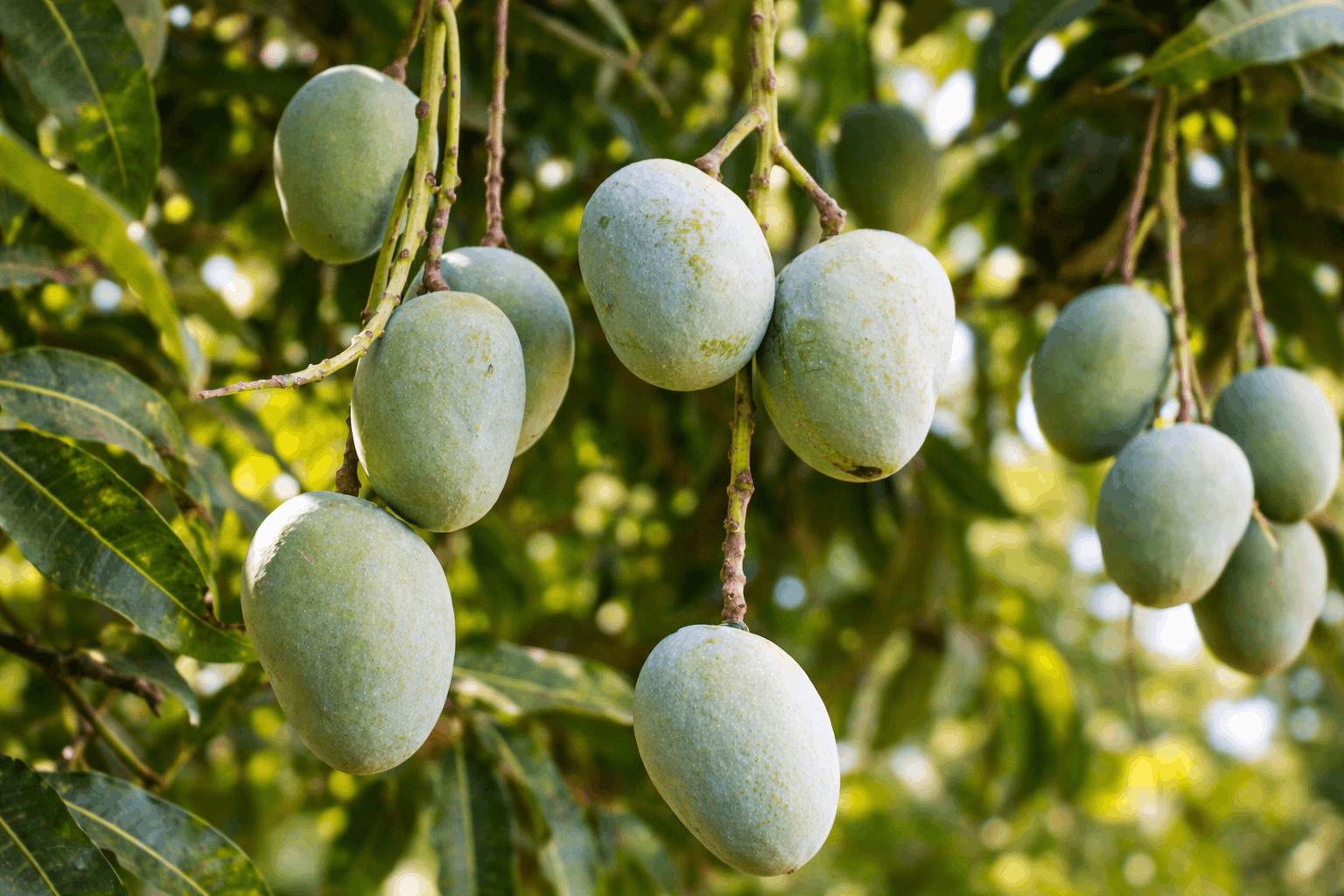
Mango farming is a high-value crop known for premium fruits with strong global demand. It is widely used in the food and processing industries and thrives in tropical climates. With long-term yield and export potential, it offers a profitable and sustainable farming opportunity.
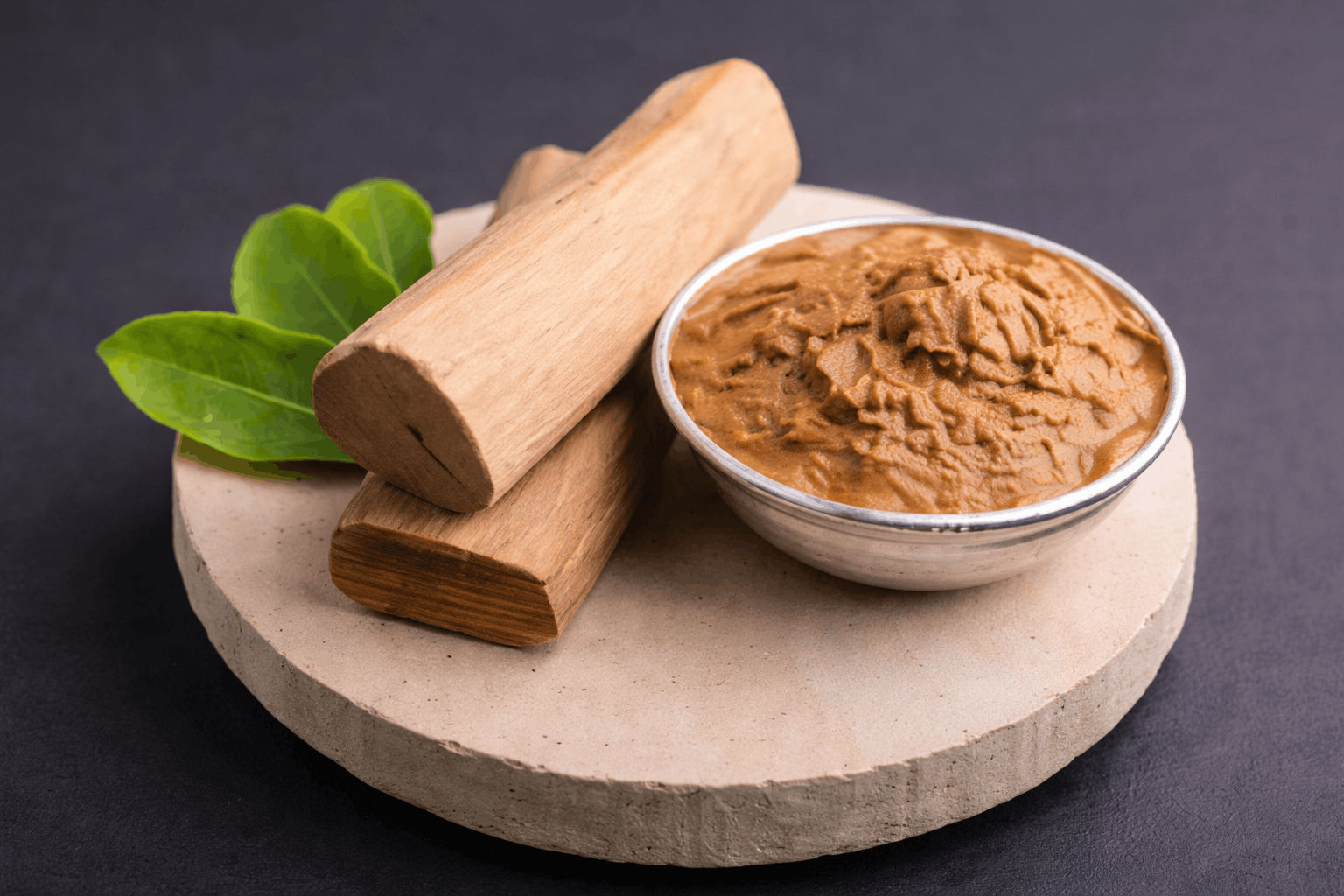
Agarwood Plantation

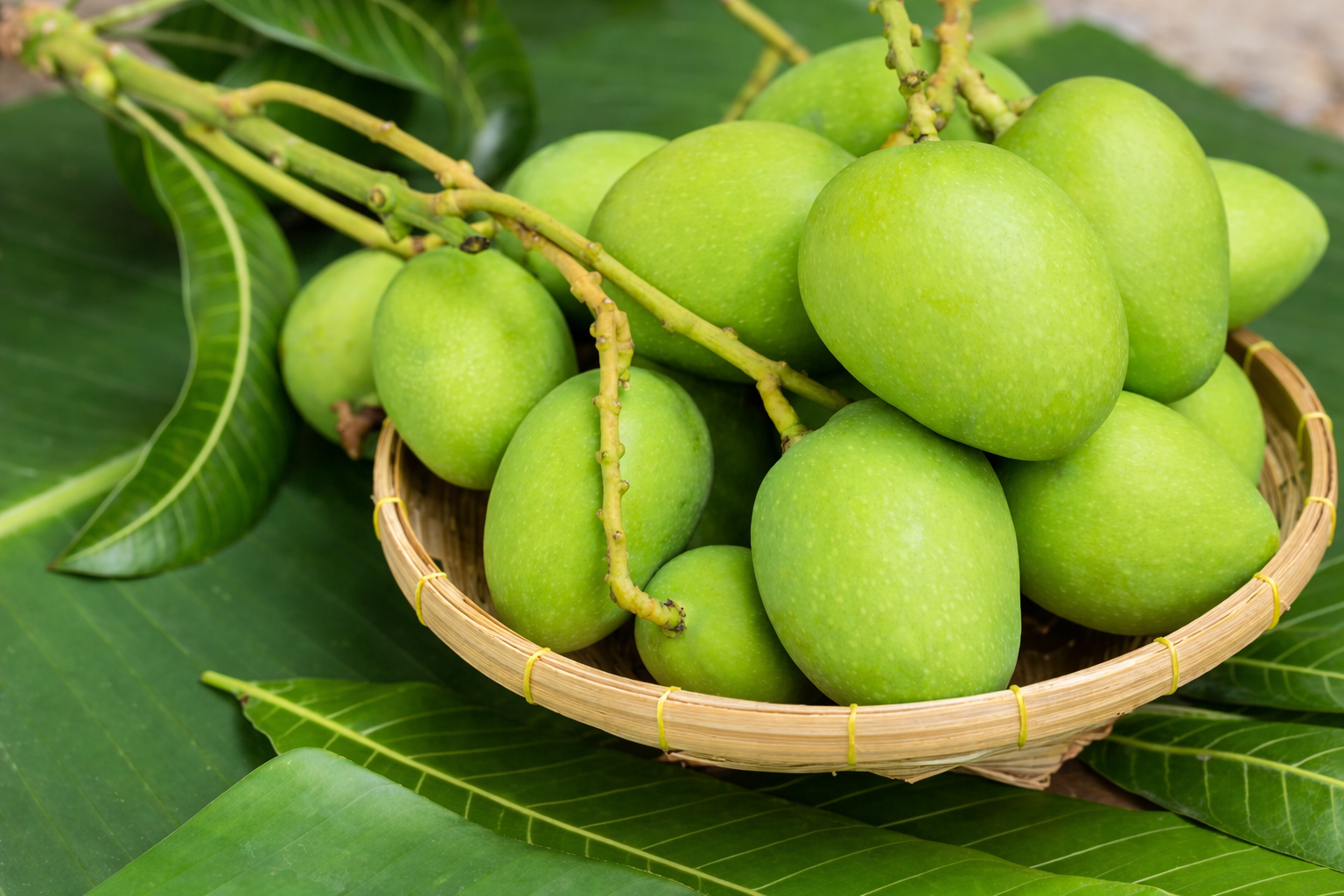
Premium mango fruits for processing and export..
Resin Formation

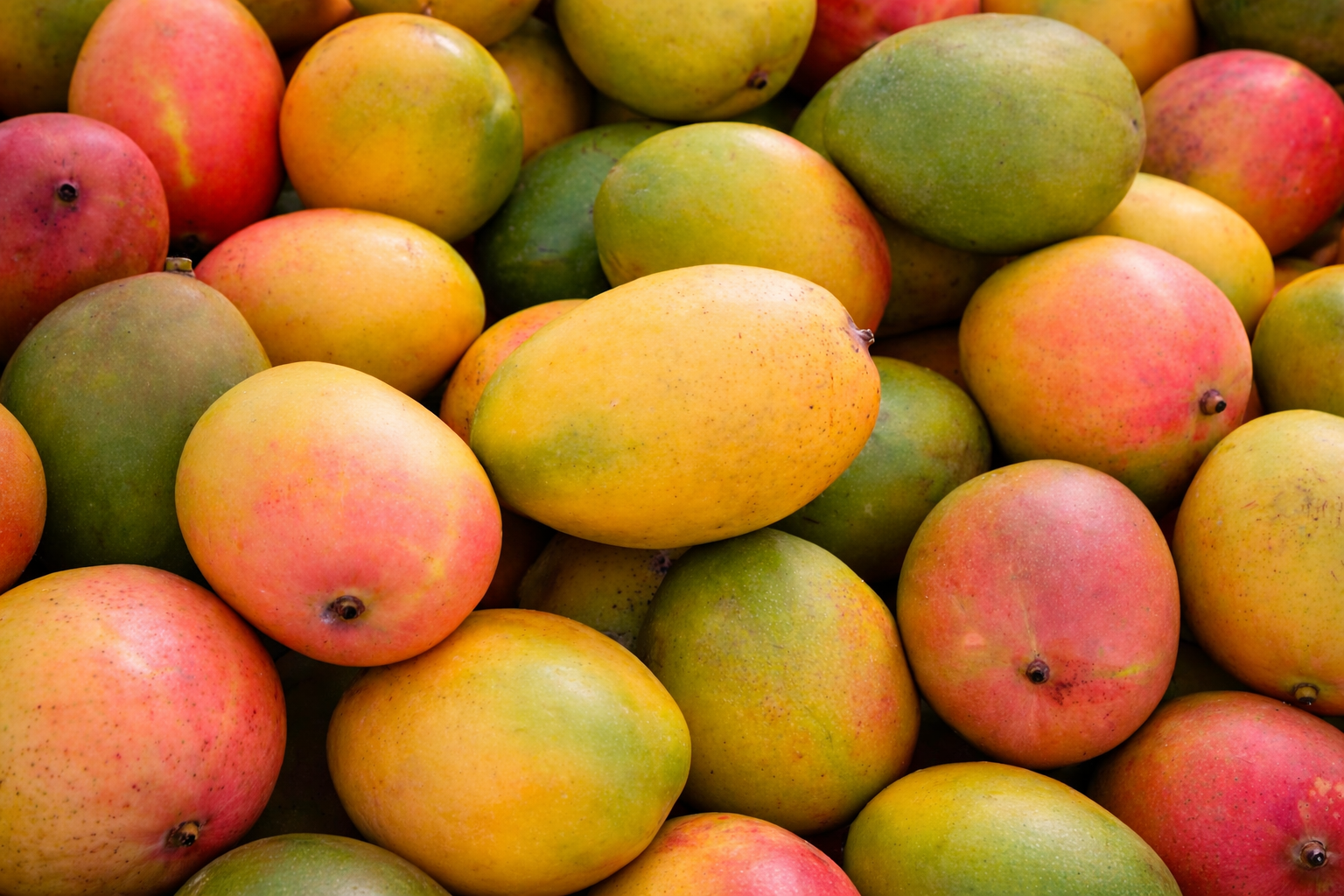
High-demand crop in food and beverage industries.
Processing

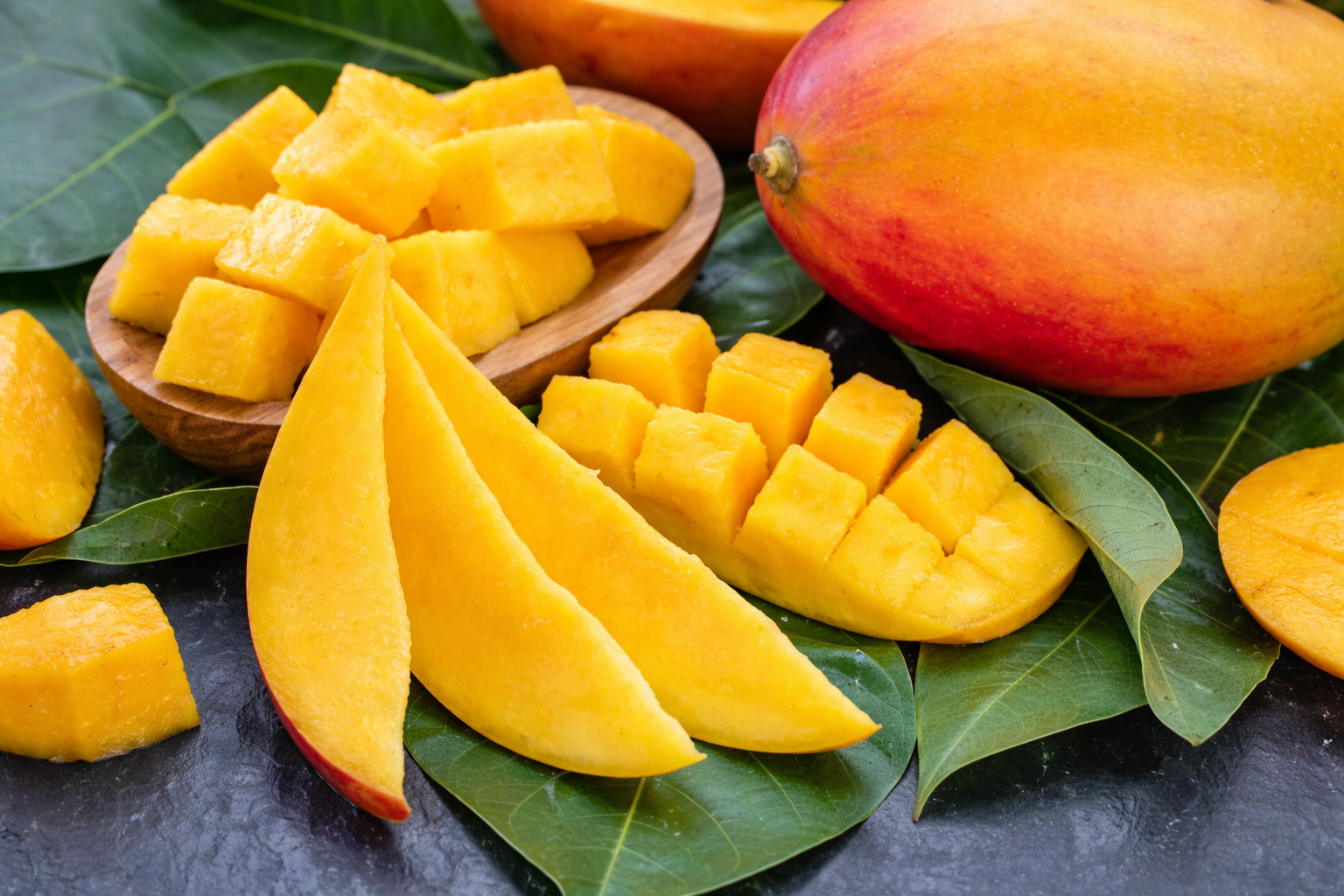
Profitable long-term farming with global demand.

Mango Farming Requirements

Sundarban Mango Farming Requirements

Mango cultivation is a high-value fruit farming practice requiring warm climate, fertile soil, and proper orchard management to achieve high yield and premium fruit quality.

1. Climate Requirements

Temperature: Ideal range 24°C to 30°C.

Rainfall: Requires 750–2500 mm annually.

Frost: Highly sensitive to frost.

Altitude: Suitable up to 1200 m elevation.

2. Soil Requirements

Type: Well-drained loamy or sandy loam soil.

pH Level: Ideal pH 5.5 – 7.5.

Drainage: Avoid waterlogging conditions.

Fertility: Rich organic matter preferred.

3. Land Preparation

Clearing: Remove weeds and stones.

Ploughing: Deep ploughing improves soil aeration.

Pits: 1 m × 1 m × 1 m filled with FYM.

Layout: Proper orchard planning required.

4. Plantation & Spacing

Spacing: 8 m × 8 m (traditional system).

High Density: 3 m × 2 m possible.

Season: Monsoon season ideal.

Planting Material: Grafted plants recommended.

5. Water Management

Young Plants: Frequent irrigation needed.

Mature Trees: Irrigate during dry periods.

Critical Stage: Flowering & fruit development.

6. Nutrient Management

Basal Dose: FYM or compost at planting.

Fertilizers: Balanced NPK annually.

Micronutrients: Zinc & boron improve yield.

7. Pruning & Plant Care

Training: Develop strong canopy shape.

Pruning: Remove diseased branches.

Mulching: Retains soil moisture.

Weed Control: Regular cleaning required.

8. Pest & Disease

Pests: Fruit fly, hopper, mealybugs.

Diseases: Powdery mildew, anthracnose.

Control: Integrated pest management.

Prevention: Timely spraying & sanitation.

9. Harvesting & Post Harvest

First Yield: Starts after 3–4 years.

Full Yield: 8–10 years.

Harvest: Hand picking at maturity.

Post Harvest: Grading, ripening & storage.

Plantation Development Process

1

Land Preparation

Clearing, leveling, and preparing fertile well-drained orchard land.

2

Pit Digging & Soil

Pits enriched with compost and organic matter for healthy root growth.

3

Plantation & Spacing

Scientific spacing of mango plants for proper canopy development.

4

Irrigation Setup

Installation of drip irrigation for efficient water management.

5

Crop Management

Regular pruning, fertilization, and pest control for healthy trees.

6

Harvest & Processing

Hand picking mature fruits, followed by grading and ripening for market.

Plantation Gallery

Plantation Gallery

Farm Layout & Infrastructure

Farm Layout
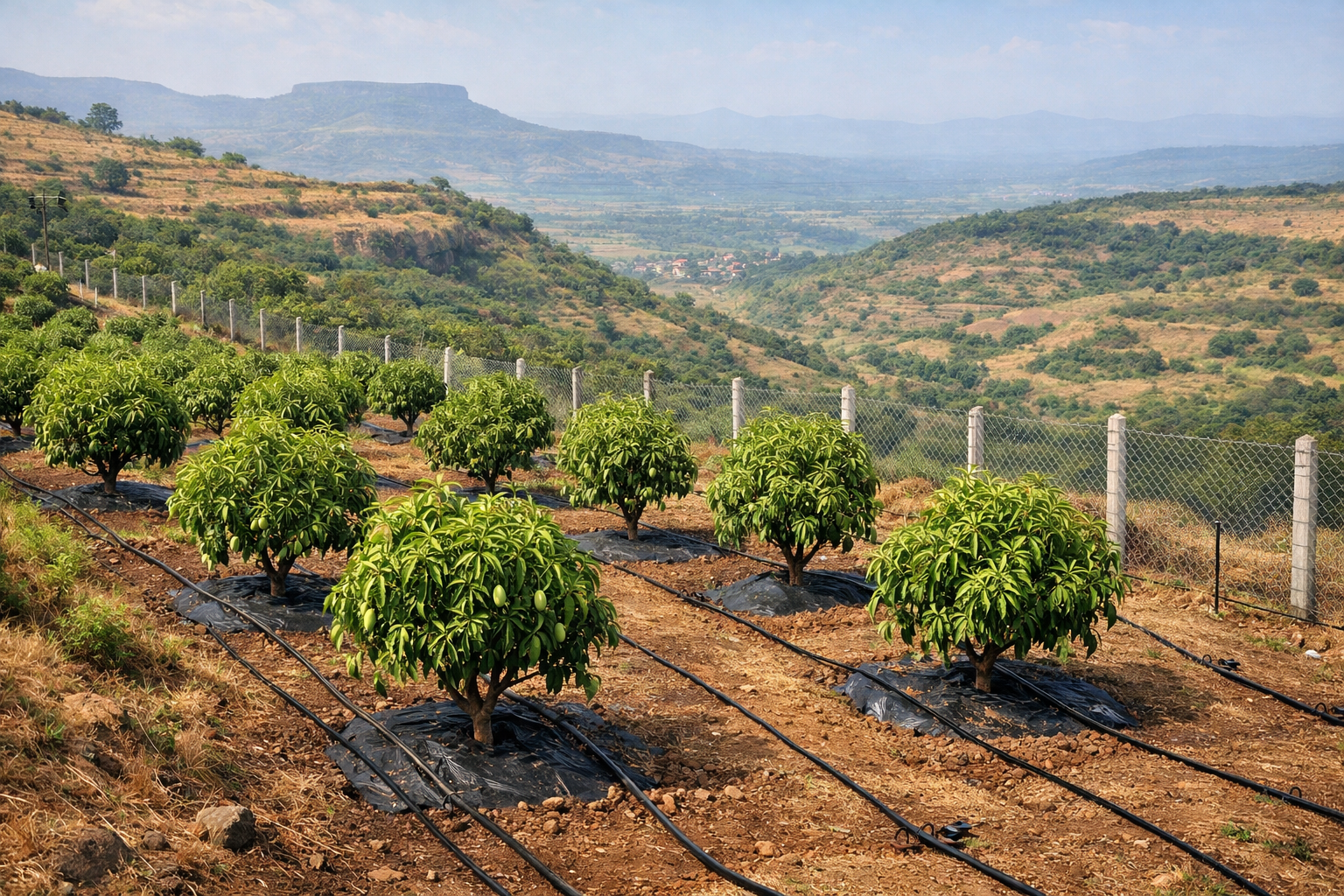
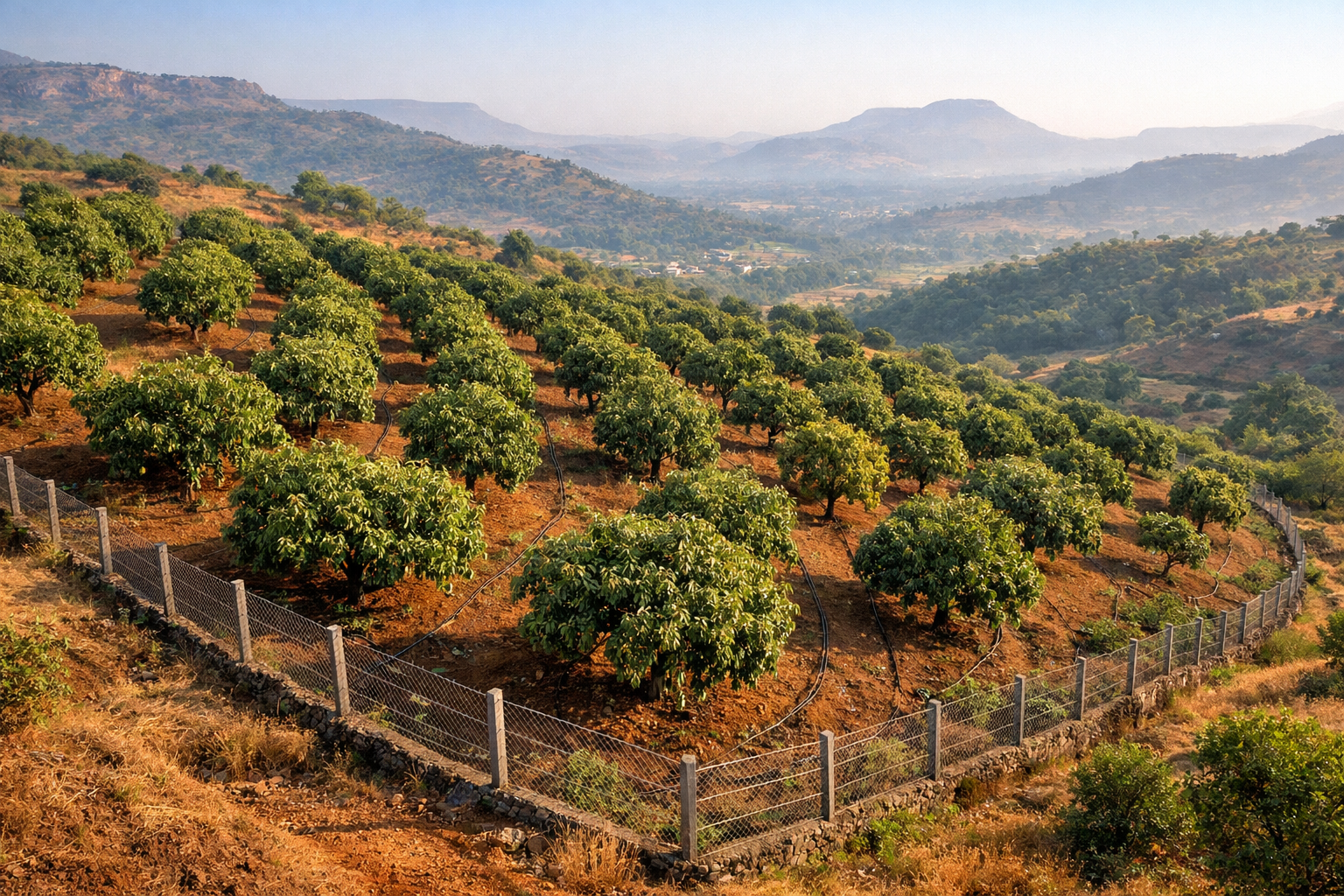
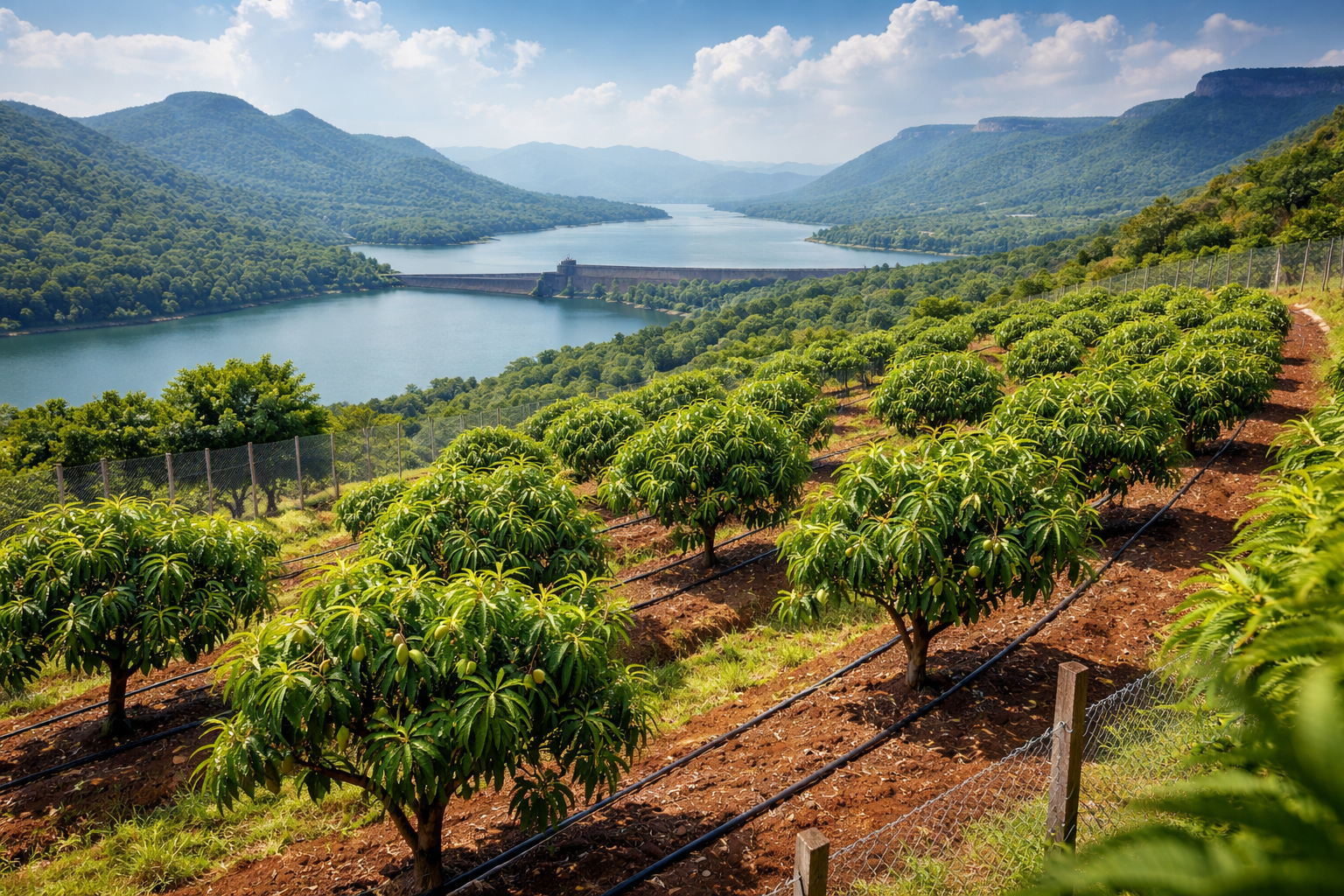
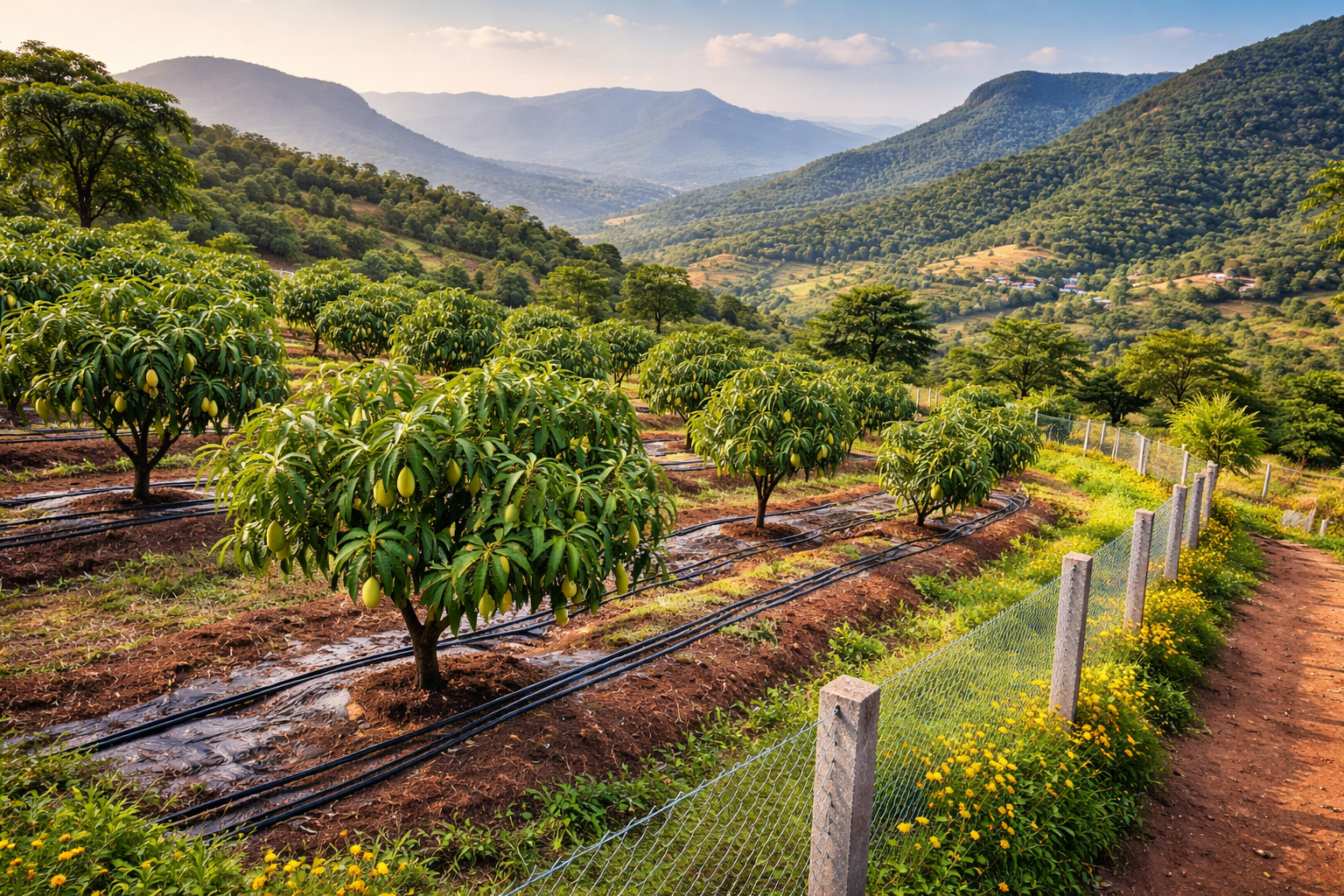
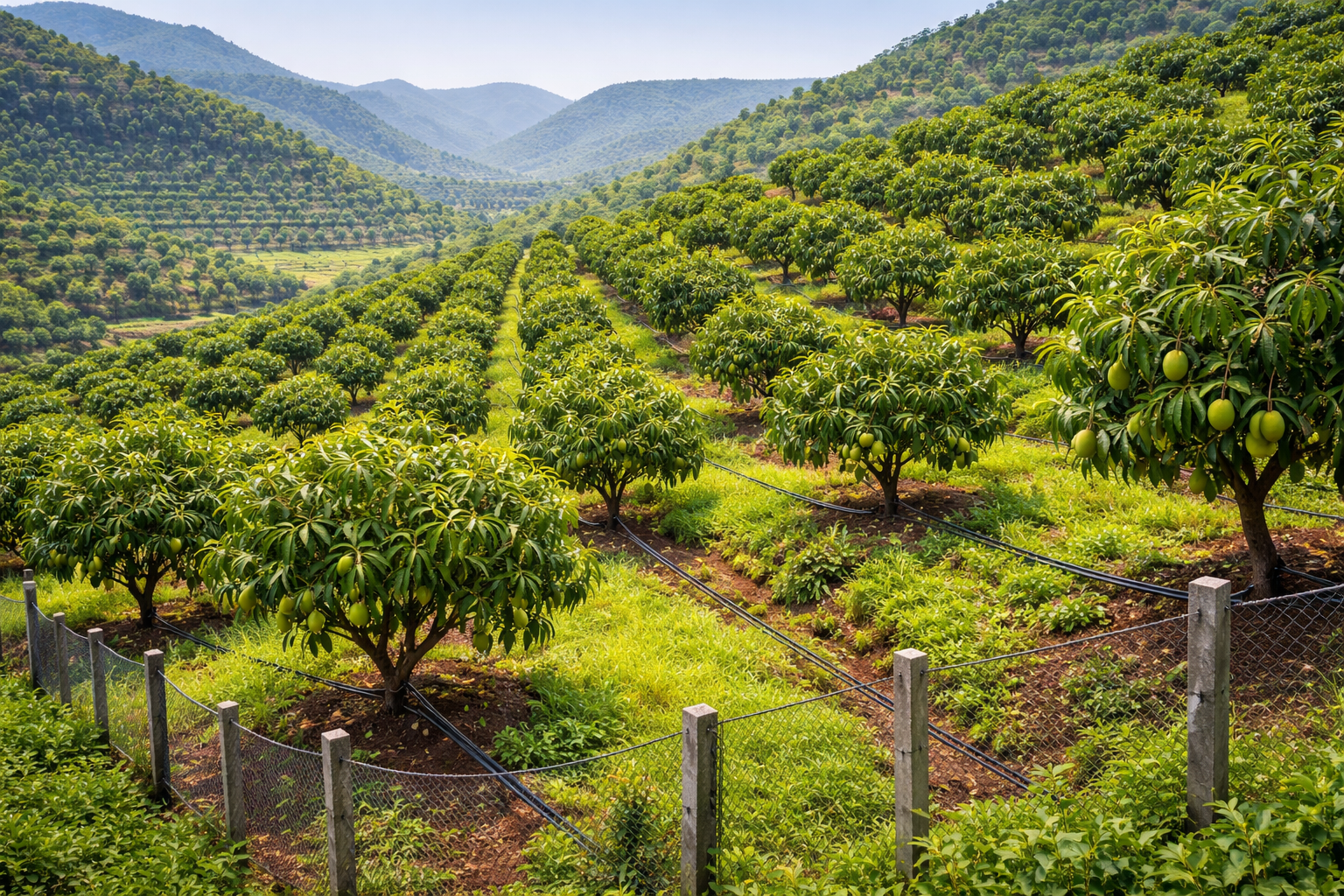
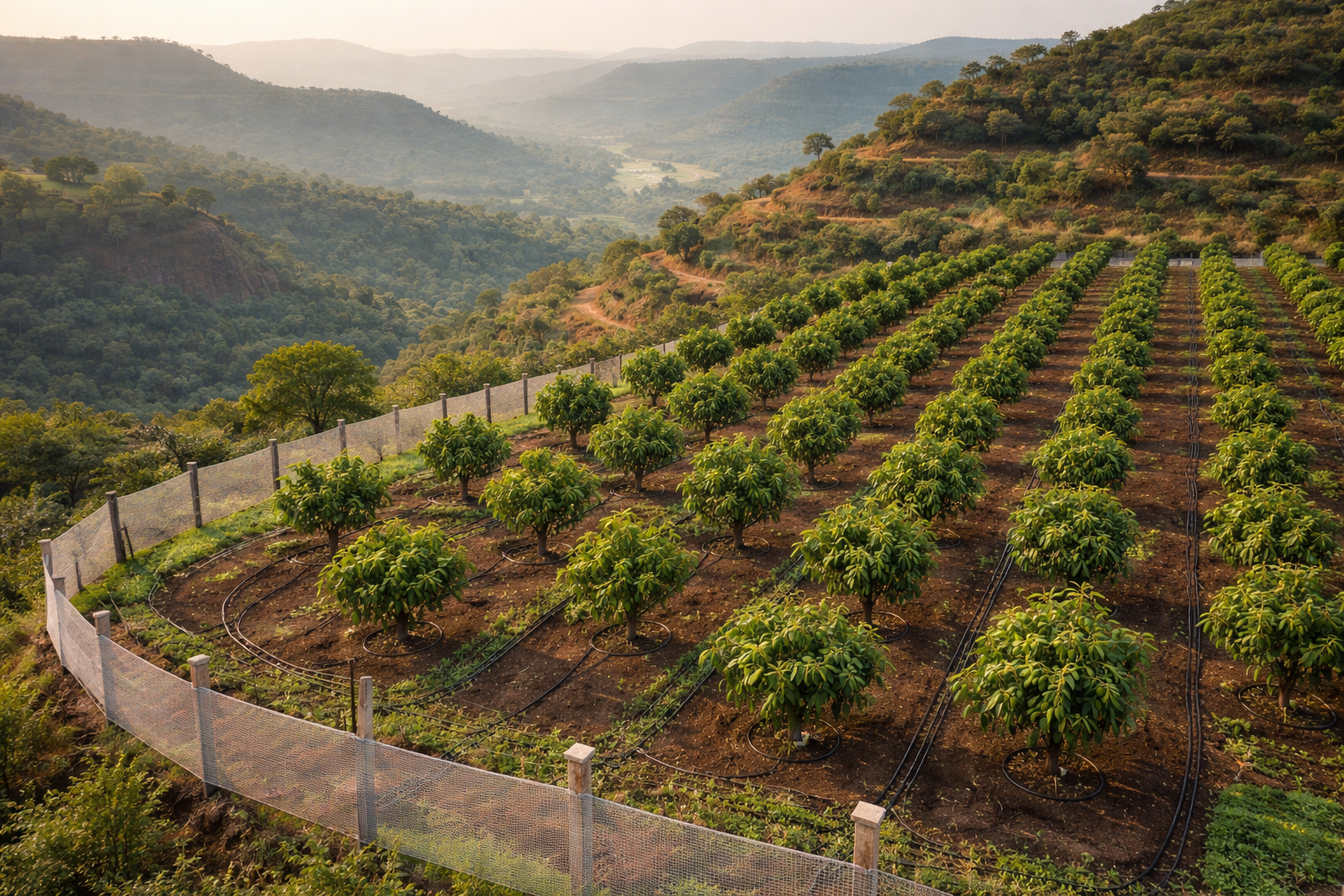
A scientifically planned mango orchard ensures optimal tree spacing, long-term productivity, and efficient land utilization. Trees are planted with proper spacing to allow full canopy development and better fruit yield over time. Drip irrigation systems provide consistent moisture, improving fruit size and quality. Proper farm roads, drainage systems, and fencing support easy maintenance, harvesting, and long-term orchard sustainability.

Value Potential

Trees per Acre
80 – 150 Trees
Harvest Period
3 – 5 Years
Global Market
High-demand fresh fruit
High Value Crop
Premium fruit crop
Investment ROI Potential
₹1.5L – ₹4L / Acre (Estimated Range)
Mango farming offers strong long-term returns due to consistent demand and wide market use. Trees begin yielding from 3–5 years and reach full production over time, with good annual yields under proper farm management.

Explore Other Plantations
Mango Farm
Bamboo
Macadamia
Sandalwood

Visit Our FarmLands

Experience the farms personally and understand the managed plantation model firsthand.

Frequently Asked Questions

What is the Mango cultivation cycle?
Mango trees start yielding from 3–4 years after planting and reach full production in 8–10 years. Once established, they can provide consistent harvests for over 30 to 40 years.
How many Mango trees can be grown per acre?
Typically, 80 to 150 mango trees are planted per acre under traditional spacing. In high-density farming, up to 300–800 plants can be grown depending on variety and management.
Who manages the Mango farm?
Sundarban Agro Farms provides complete farm management including land development, plantation, irrigation setup, nutrient management, pest control, and regular monitoring by agricultural experts.
What is the expected Mango yield?
A mature mango orchard can produce around 4 to 10 tons of fruits per acre annually, depending on variety, climate conditions, and proper farm management practices.
Can investors visit the Mango farm?
Yes. Investors and visitors can schedule a farm visit to explore mango orchards, understand the development process, and experience the farm infrastructure and operations firsthand.

Let’s Build Your Farm Investment

Contact Us
First
Last