Peony Farming

The Premium Bloom of Luxury & Global Demand
High Value Ornamental Crop Growing International Market Demand Managed Agro Investment
BOTANICAL NAME
Paeonia spp
HARVEST CYCLE
8 – 12 Months
SUITABLE CLIMATE
Cool to Temperate
MARKET VALUE
Floral Market & Export Industry
PLANTATION DENSITY
2,500 – 3,500 Plants/Acre

About Peony

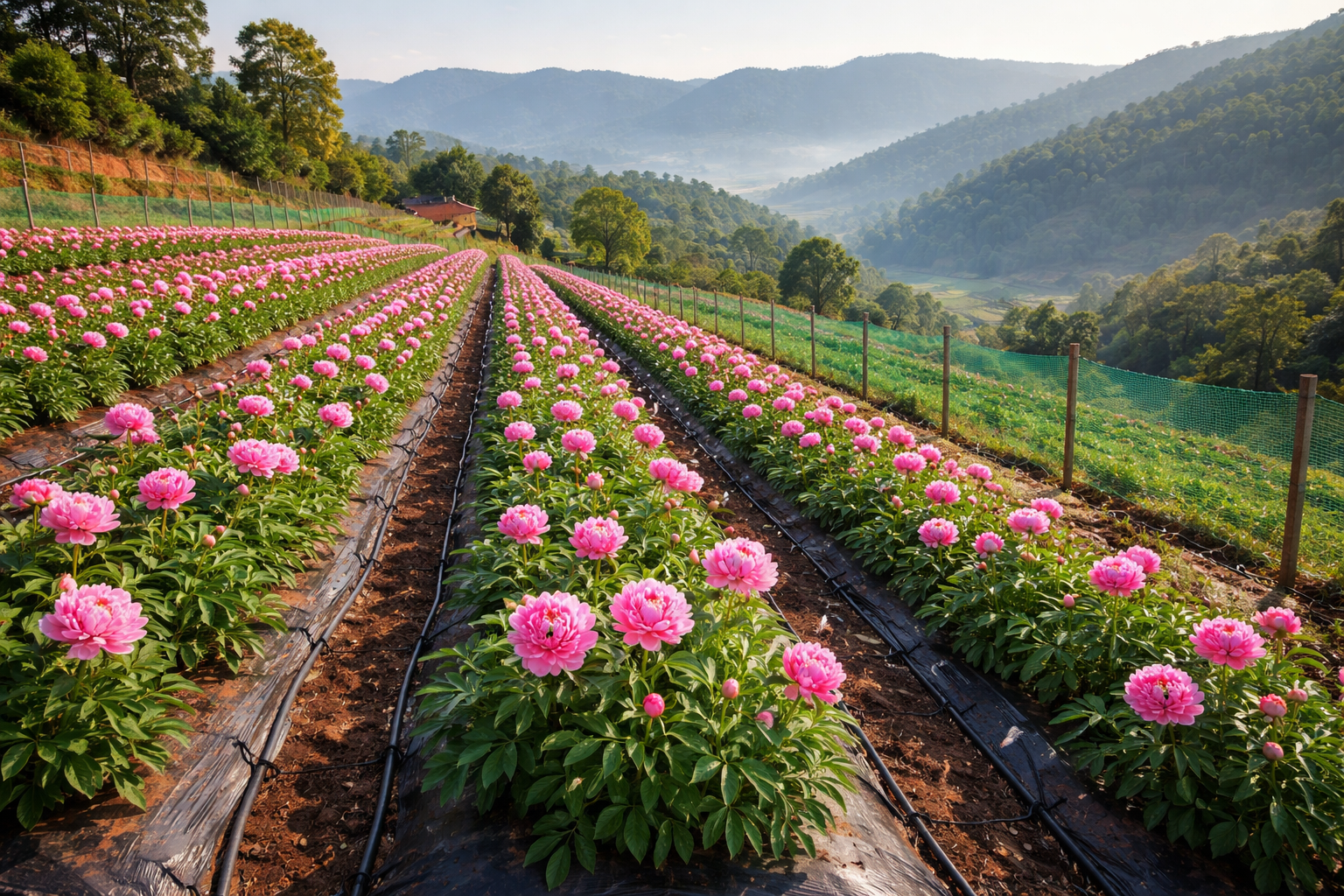
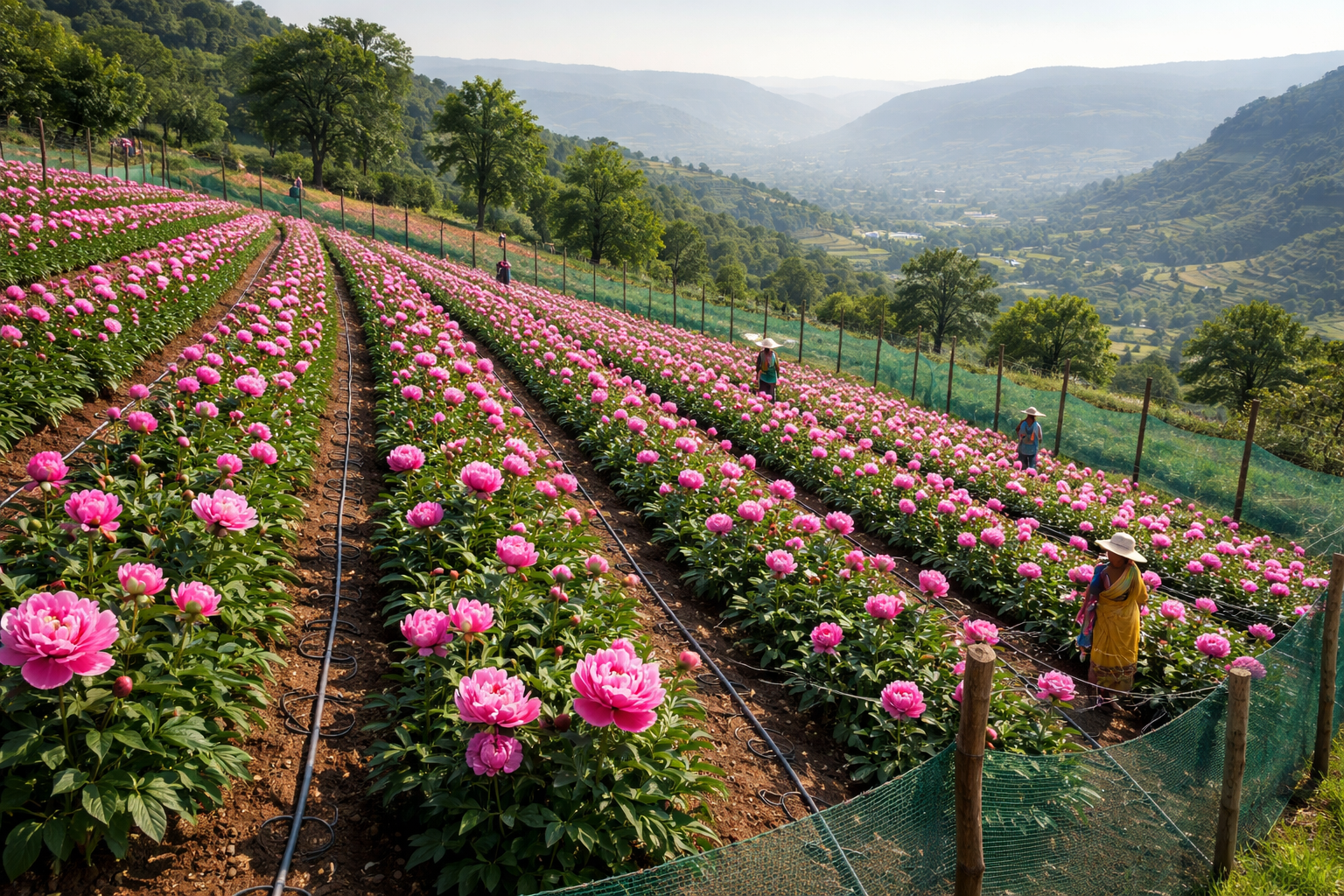
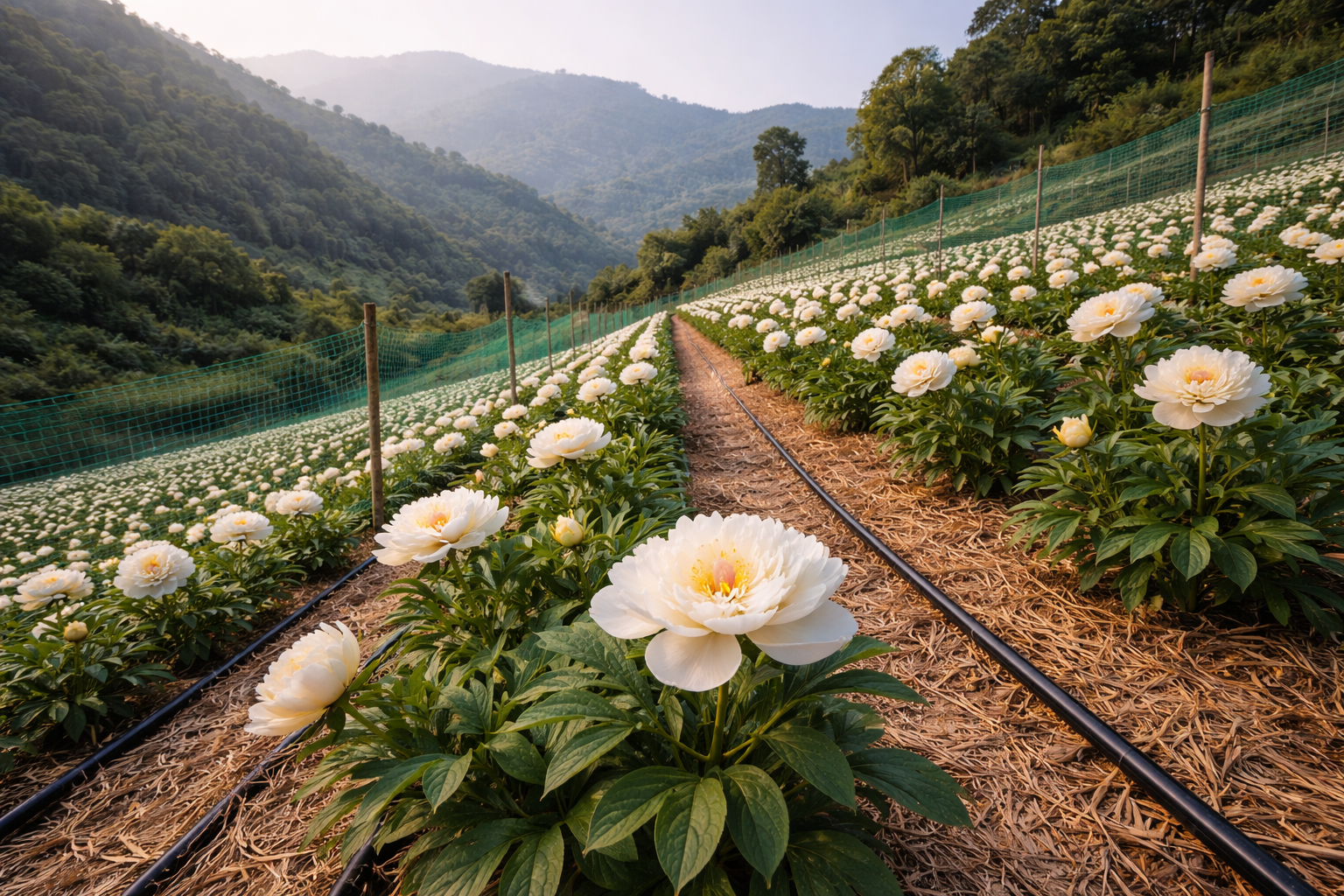
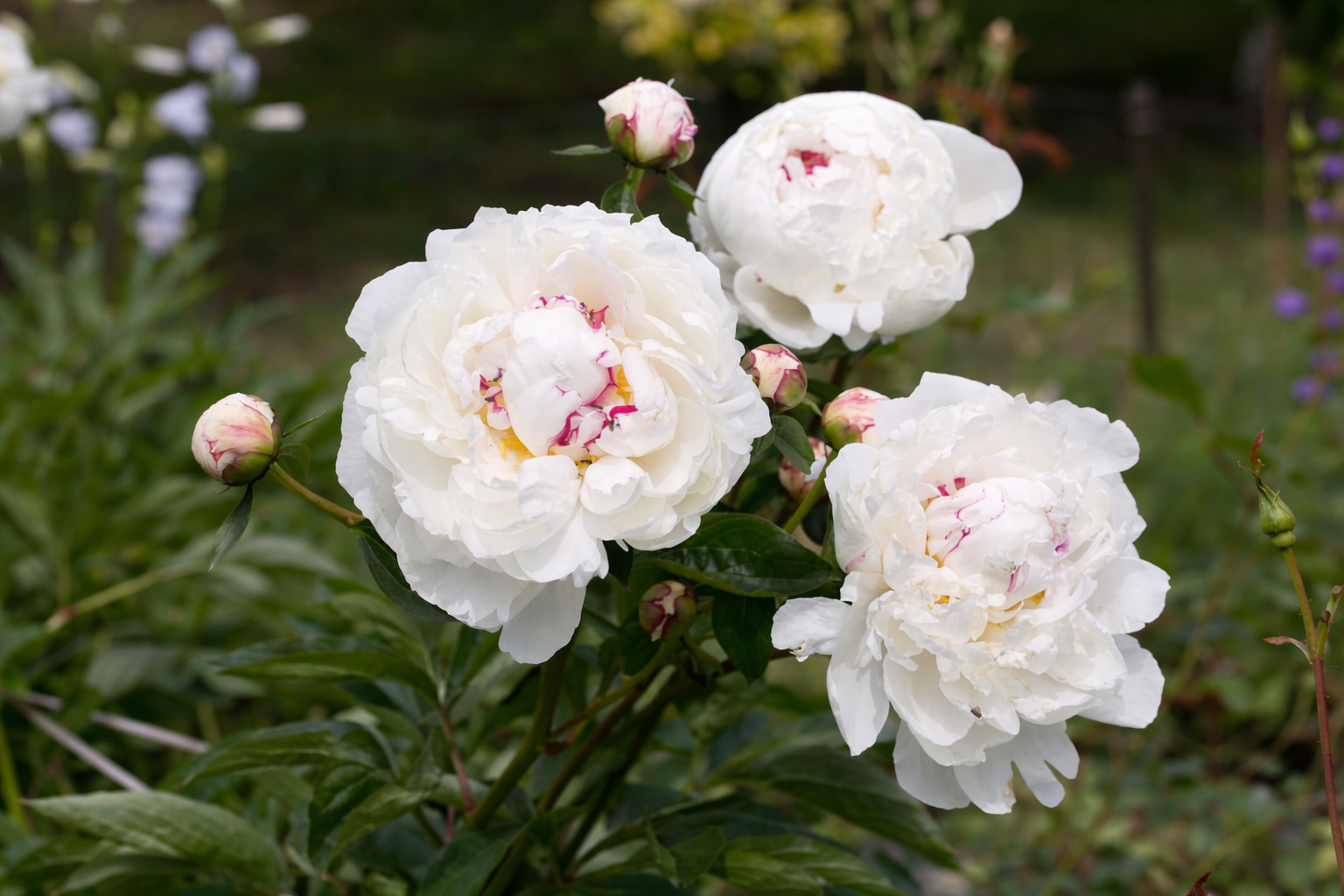
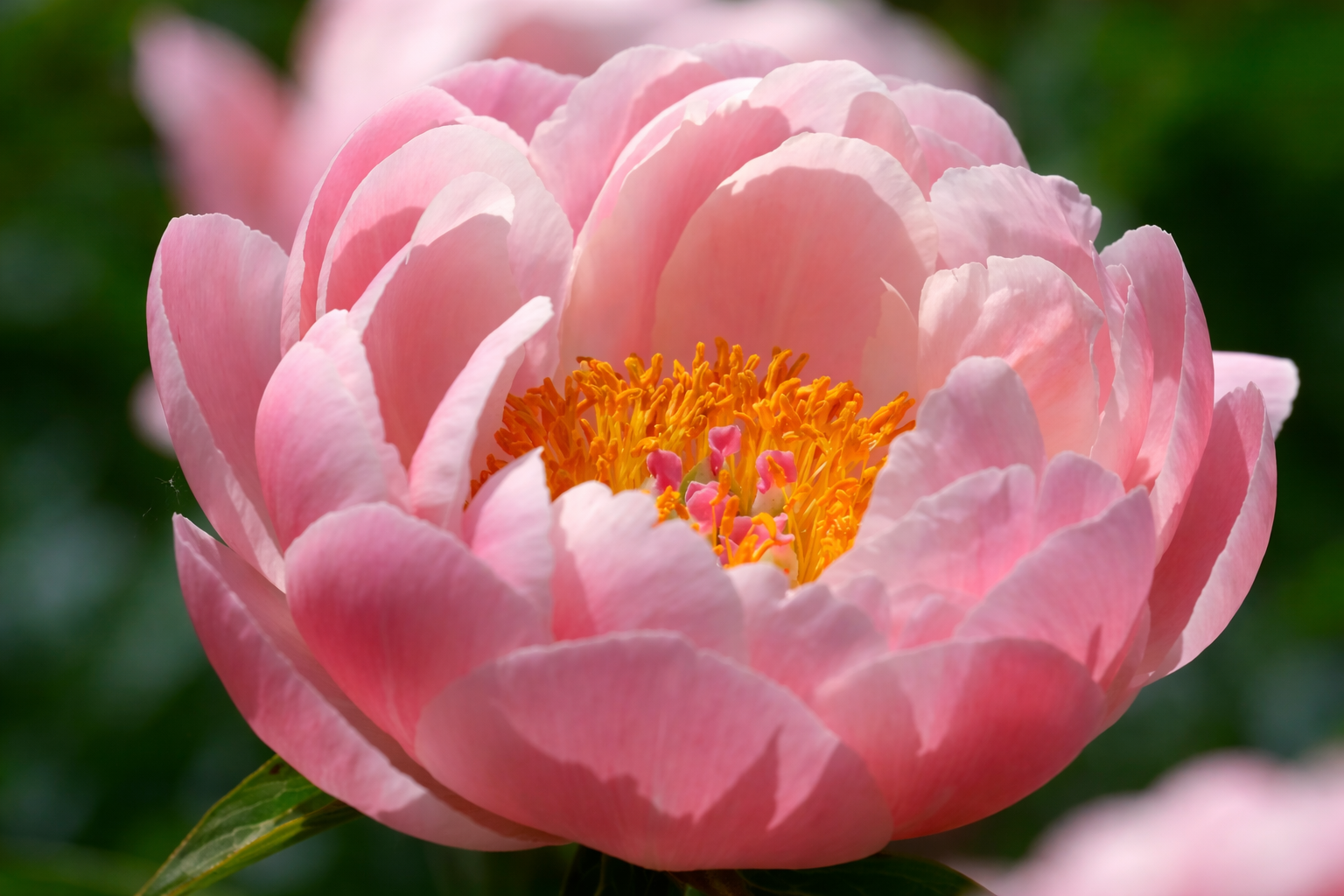
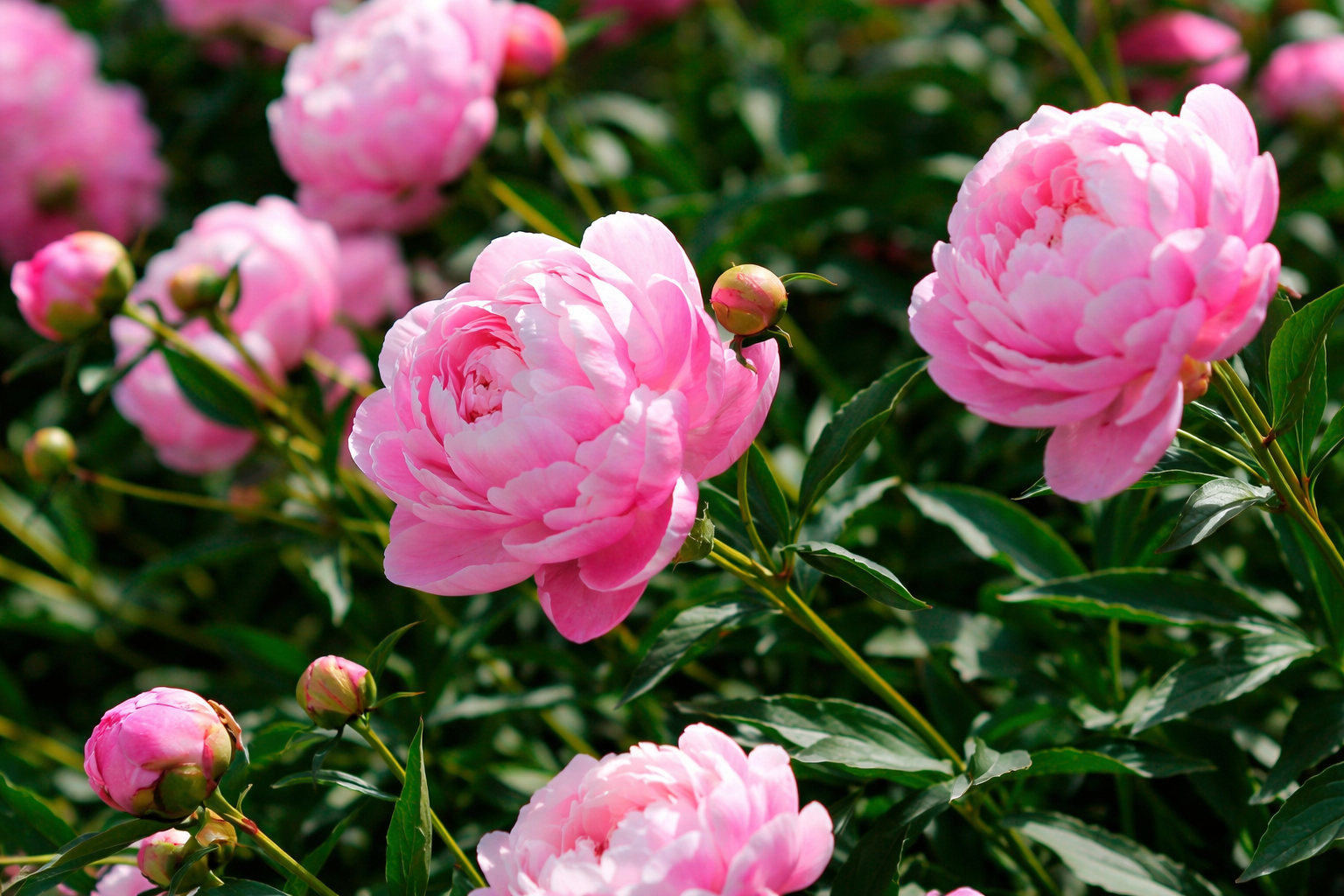
Peony farming is a premium floriculture crop known for its large, elegant blooms and high market value. Widely used in luxury bouquets, weddings, and décor, peonies have strong demand in global export markets. These flowers thrive in cool to temperate climates and offer excellent returns due to their exclusivity and rising popularity.
Agarwood Plantation

Premium peony blooms used in luxury bouquets and floral décor.
Resin Formation

High-demand crop with strong value in international flower markets.
Processing

Profitable farming opportunity with growing demand in weddings and exports.

Peony Farming Requirements

Sundarban Peony Farming Requirements

Peony cultivation requires specific climatic conditions and proper management practices to achieve high-quality blooms and premium market value.

1. Climate Requirements

Temperature: Ideal range 10°C to 25°C for healthy growth and flowering.

Sunlight: Requires full sun to partial shade with good light exposure.

Chilling Requirement: Needs cold winter dormancy for proper flowering.

Humidity: Low to moderate humidity preferred to prevent diseases.

2. Soil Requirements

Type: Well-drained fertile loamy soil is ideal.

pH Level: Optimum soil pH 6.5 – 7.5.

Drainage: Good drainage is essential to avoid root rot.

Organic Matter: High organic content improves bloom quality.

3. Land Preparation

Clearing: Remove weeds and stones before planting.

Ploughing: Deep ploughing improves soil aeration.

Bed Preparation: Raised beds recommended for drainage.

Pit Preparation: 40 × 40 × 40 cm pits with compost or FYM.

4. Plantation & Spacing

Spacing: 90 cm × 90 cm spacing for proper plant growth.

Season: Planting done in autumn or early winter.

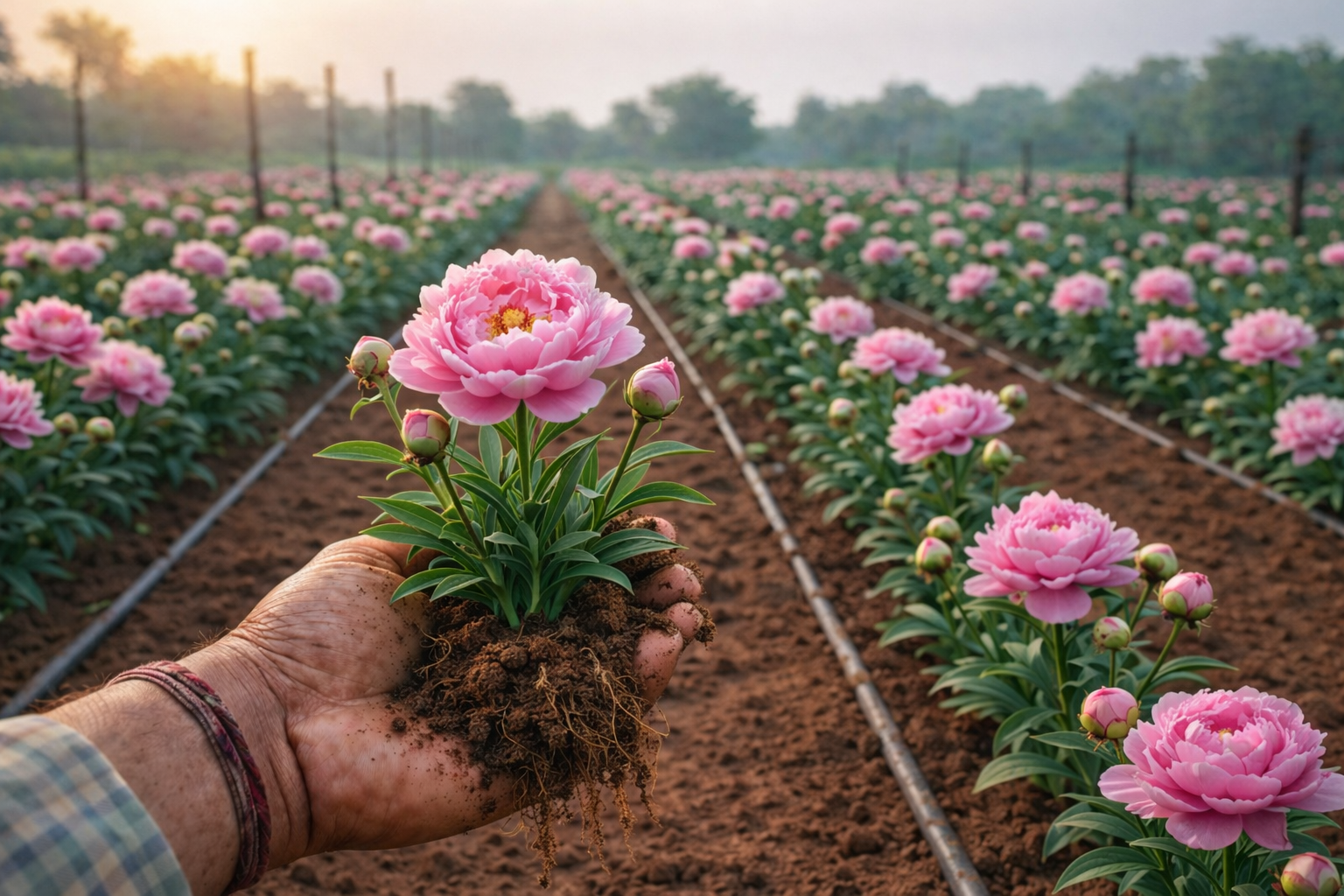
Planting Material: Use healthy tuberous roots with buds (eyes).

5. Water Management

Young Plants: Light and regular watering during establishment.

Mature Plants: Moderate irrigation; avoid waterlogging.

Critical Stage: Adequate moisture during bud formation stage.

6. Nutrient Management

Basal Fertilizer: Apply compost or well-rotted manure before planting.

NPK Fertilizers: Balanced nutrients support strong flowering.

Organic Inputs: Vermicompost improves soil health and yield.

7. Pruning & Plant Care

Deadheading: Remove spent flowers to promote growth.

Support: Provide staking for heavy blooms.

Winter Care: Cut back plants after dormancy.

Mulching: Helps retain moisture and regulate soil temperature.

8. Pest & Disease

Pests: Aphids, thrips, and nematodes.

Diseases: Botrytis blight, root rot, and leaf spots.

Control: Use bio-pesticides and proper spacing.

Prevention: Ensure good air circulation and drainage.

9. Harvesting & Post Harvest

First Harvest: Flowering starts from second year after planting.

Harvest Stage: Cut buds at soft bud stage for longer vase life.

Yield: High-value flowers with premium market price.

Storage: Store in cool conditions to maintain freshness.

Plantation Development Process

1

Land Preparation

Clearing, leveling, and preparing well-drained soil beds.

2

Pit Digging & Soil

Soil enrichment with compost for healthy peony growth.

3

Plantation & Spacing

Scientific spacing of peony plants for proper airflow.

4

Irrigation Setup

Installation of efficient irrigation systems for growth.

5

Crop Management

Regular mulching, nutrition, and disease management.

6

Harvest & Processing

Harvesting premium peonies for floral and export markets.

Plantation Gallery

Plantation Gallery

Farm Layout & Infrastructure

Farm Layout
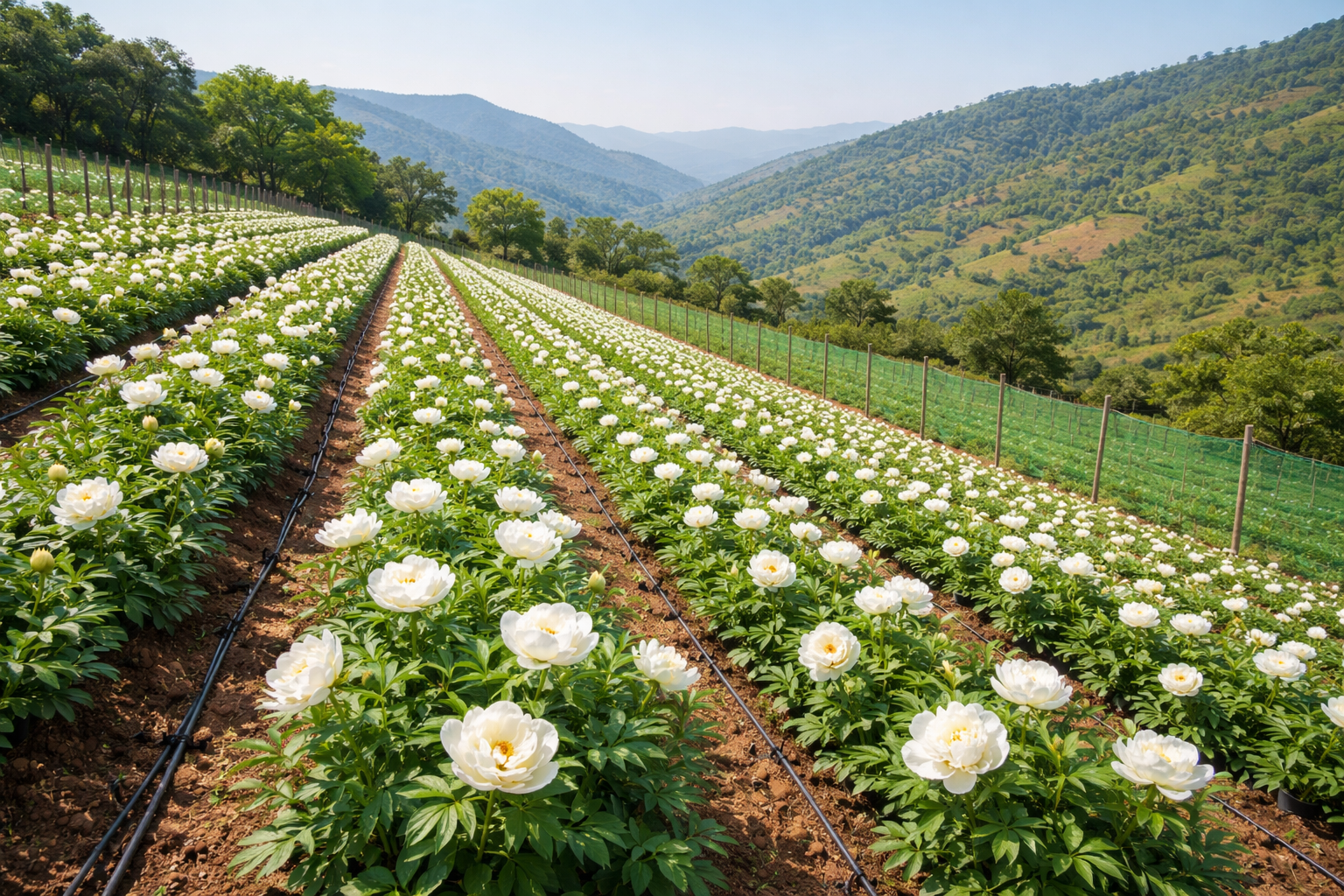
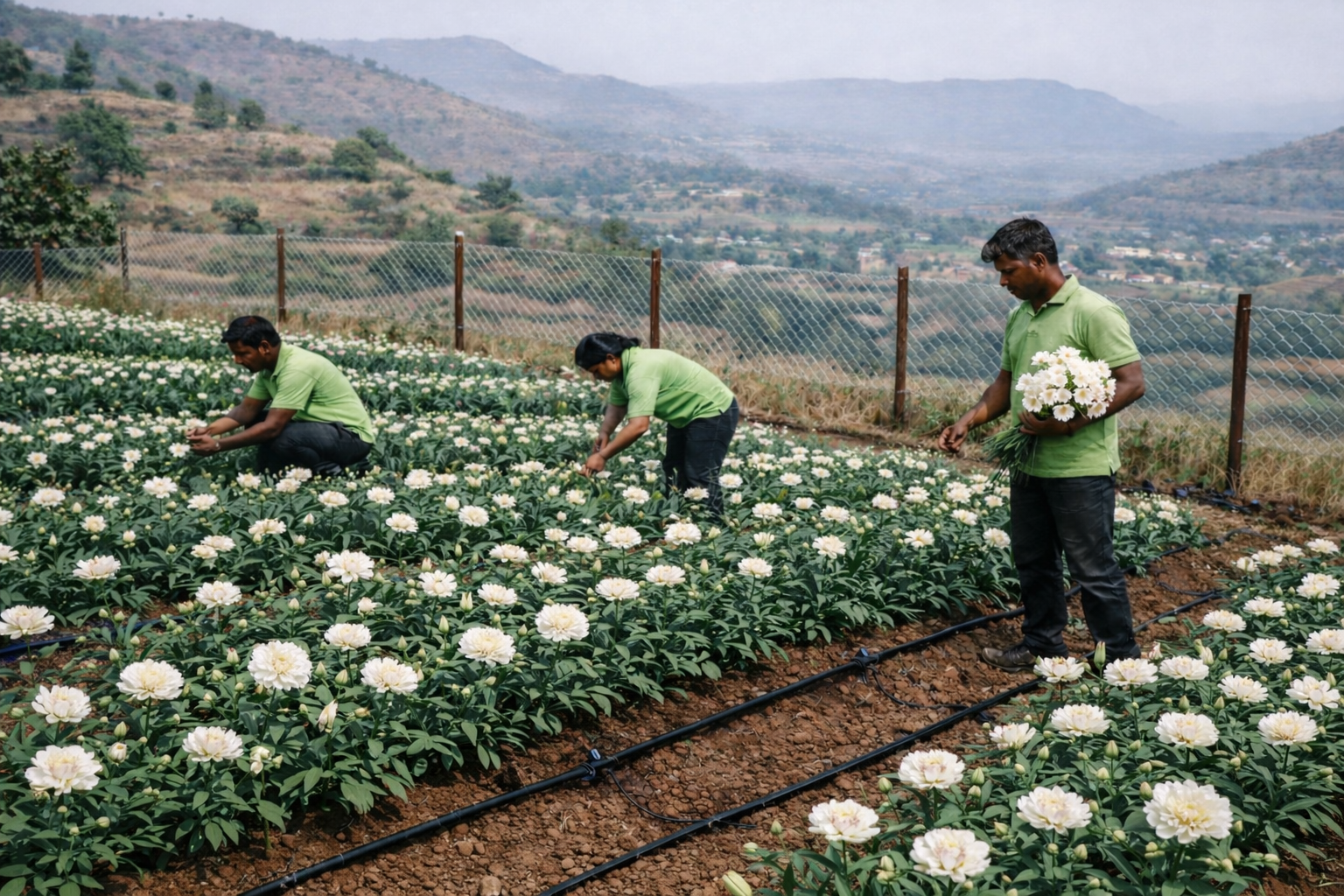
A scientifically planned peony plantation ensures proper plant spacing, strong root development, and efficient land utilization. Well-drained soil systems and controlled irrigation help maintain optimal moisture levels and support consistent flowering. Designed access pathways allow smooth farm operations, seasonal maintenance, and efficient harvesting of premium blooms.

Value Potential

Plants per Acre
3,000 – 4,000
Harvest Period
2 – 3 Years
Global Market
Luxury floral & export industry
High Value Crop
Premium decor flowers
Investment ROI Potential
₹12L – ₹30L / Acre (Estimated Range)
Estimated annual revenue from peony farming through premium cut flower sales, wedding demand, and export markets. Returns depend on plant maturity, variety selection, climate suitability, and advanced farm management practices.

Explore Other Plantations
Mango Farm
Bamboo
Macadamia
Sandalwood

Visit Our FarmLands

Experience the farms personally and understand the managed plantation model firsthand.

Frequently Asked Questions

What is the Peony cultivation cycle?
Peony plants typically start flowering from the second year after planting. Once established, they produce seasonal blooms annually with proper care, climate conditions, and nutrient management.
How many Peony plants can be grown per acre?
Farmers can cultivate approximately 3,000 to 4,000 peony plants per acre depending on spacing, soil conditions, and variety selection for healthy growth and premium flower yield.
Who manages the Peony farm?
Sundarban Agro Farms provides complete farm management including land preparation, root planting, irrigation setup, nutrient management, pest control, and regular monitoring by expert teams.
What is the expected Peony yield?
A mature peony plant can produce multiple high-quality stems per season. Yield depends on plant age, climate conditions, and proper farm management practices.
Can investors visit the Peony farm?
Yes. Investors and visitors can schedule a farm visit to understand peony cultivation, explore infrastructure, and experience the plantation development process firsthand.

Let’s Build Your Farm Investment

Contact Us
First
Last