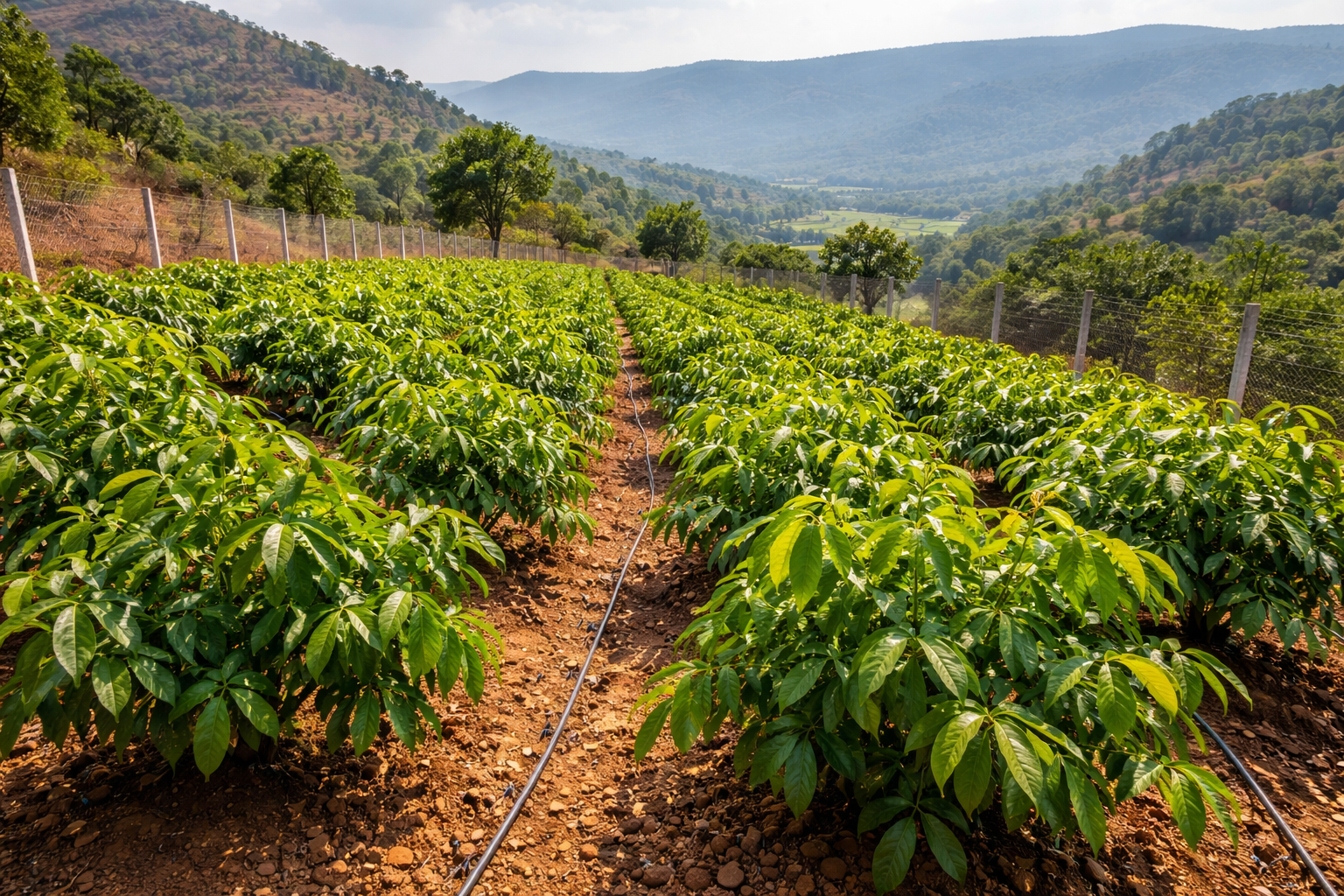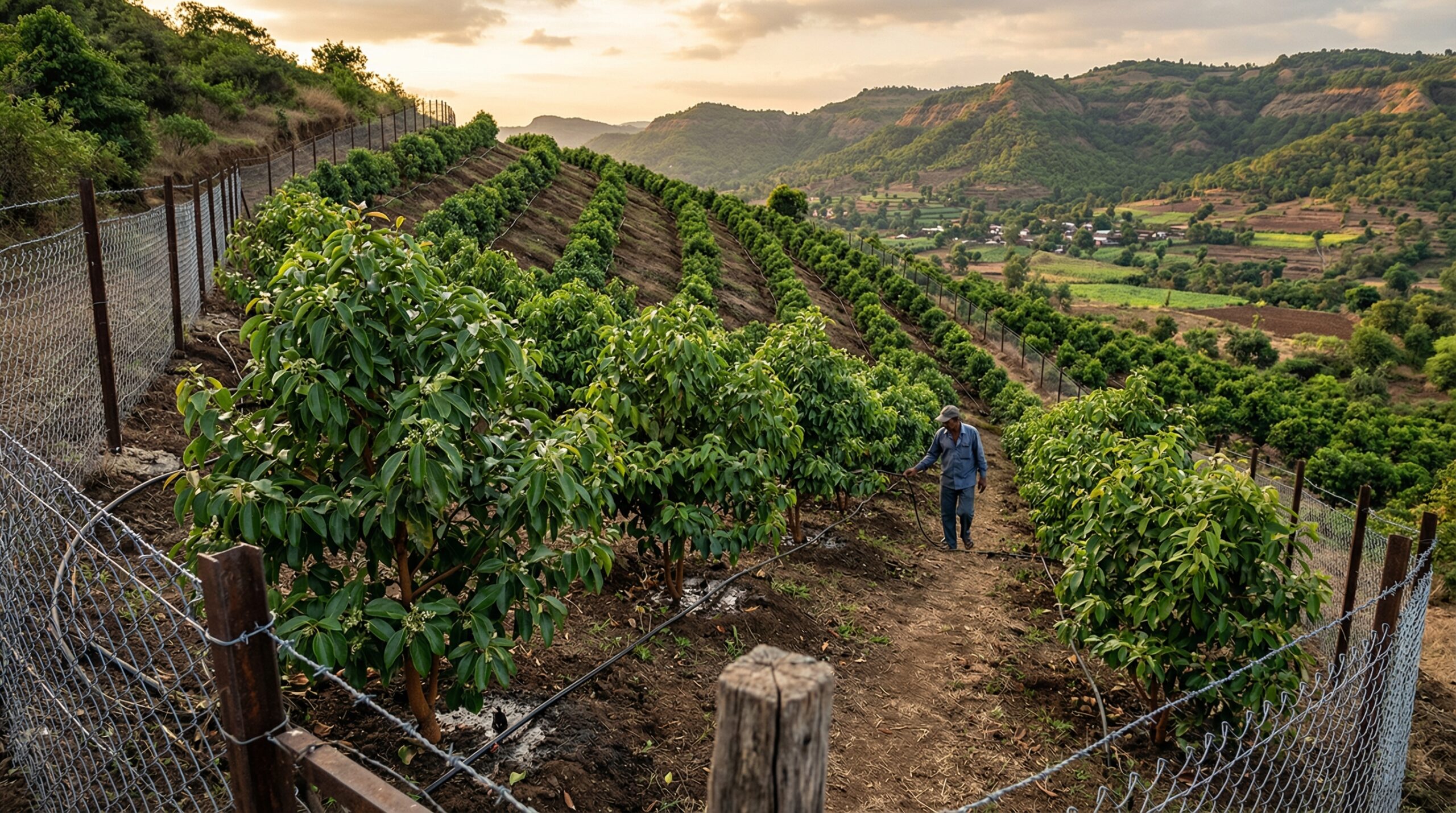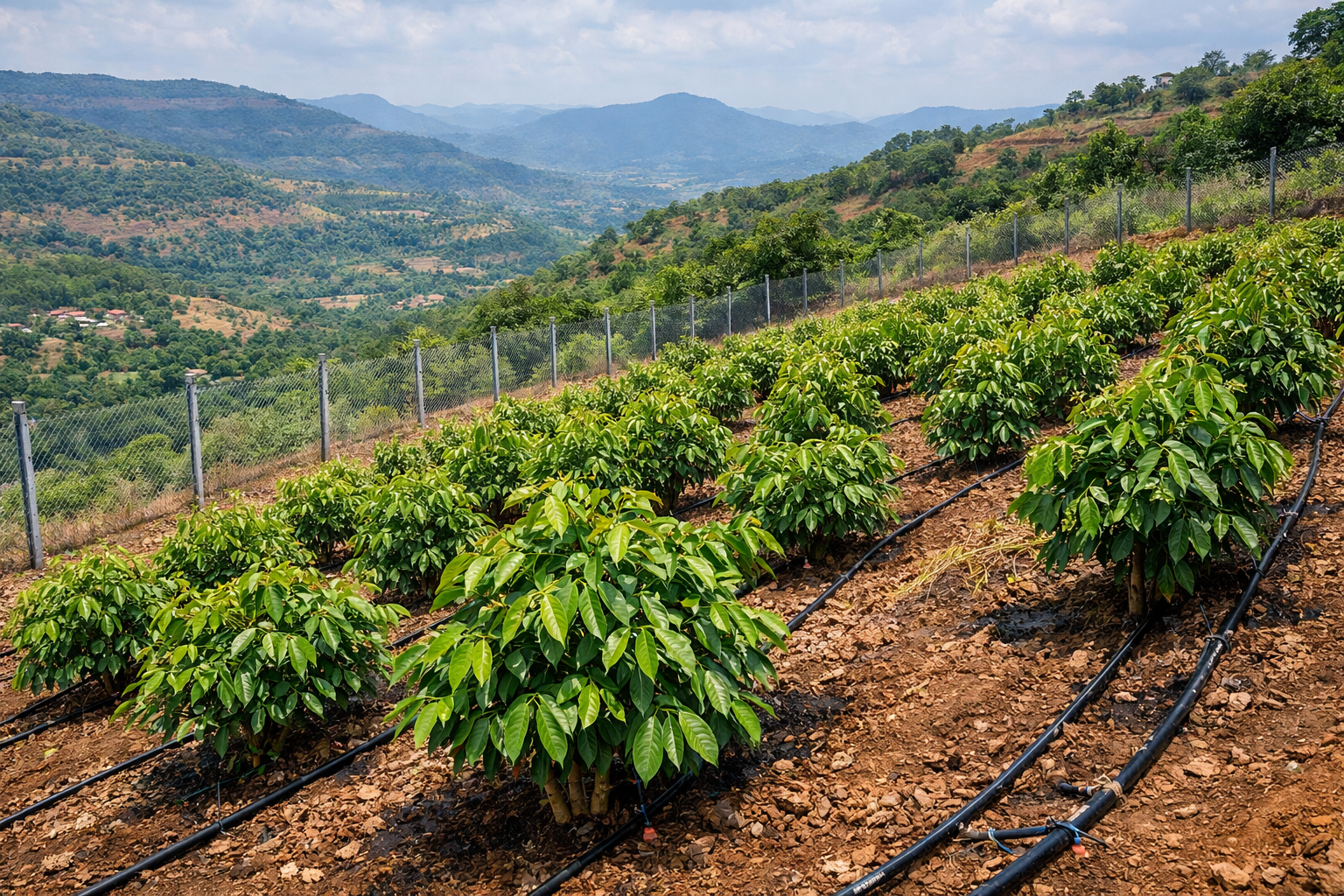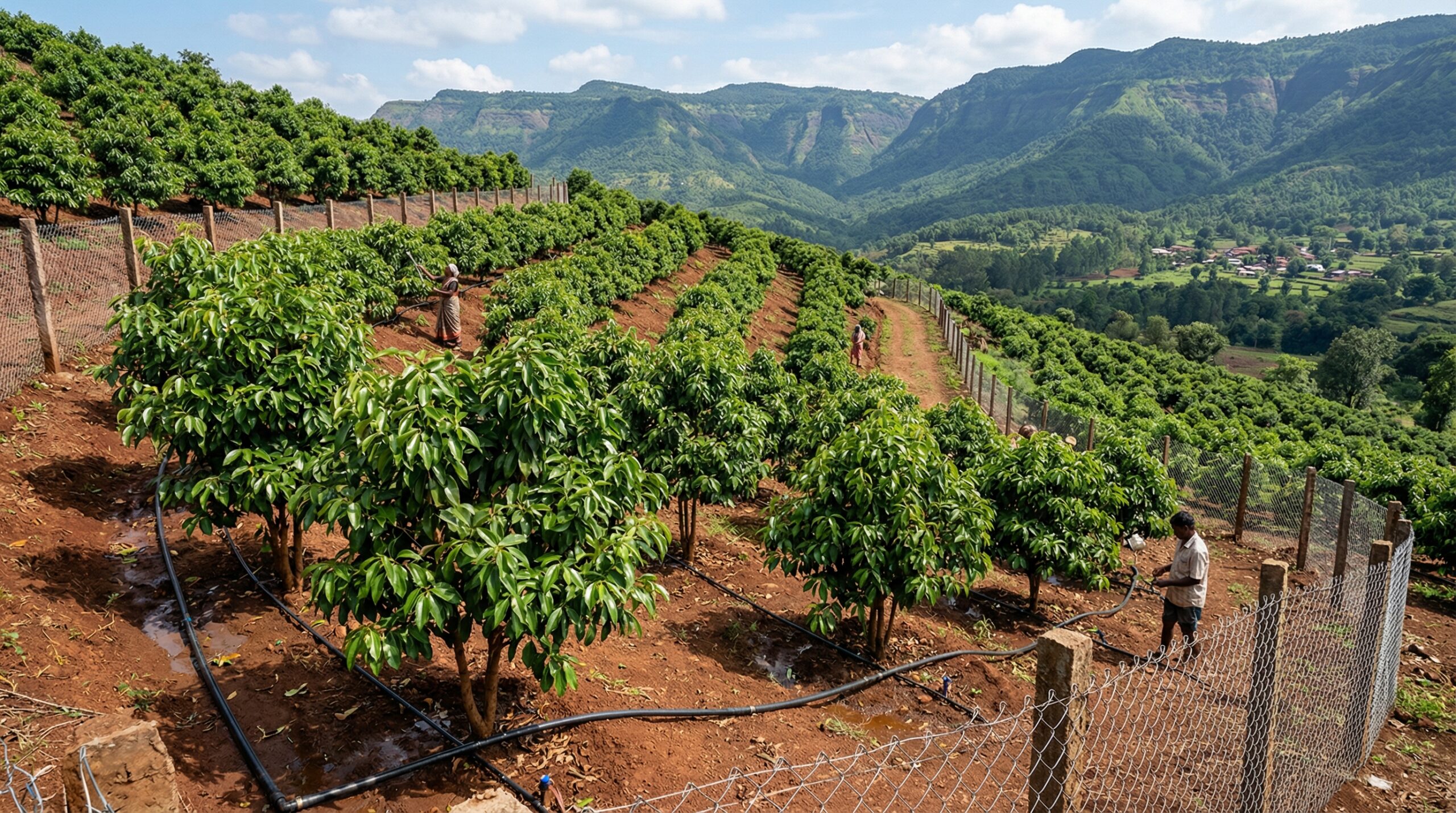
Cinnamon Farming
About Cinnamon
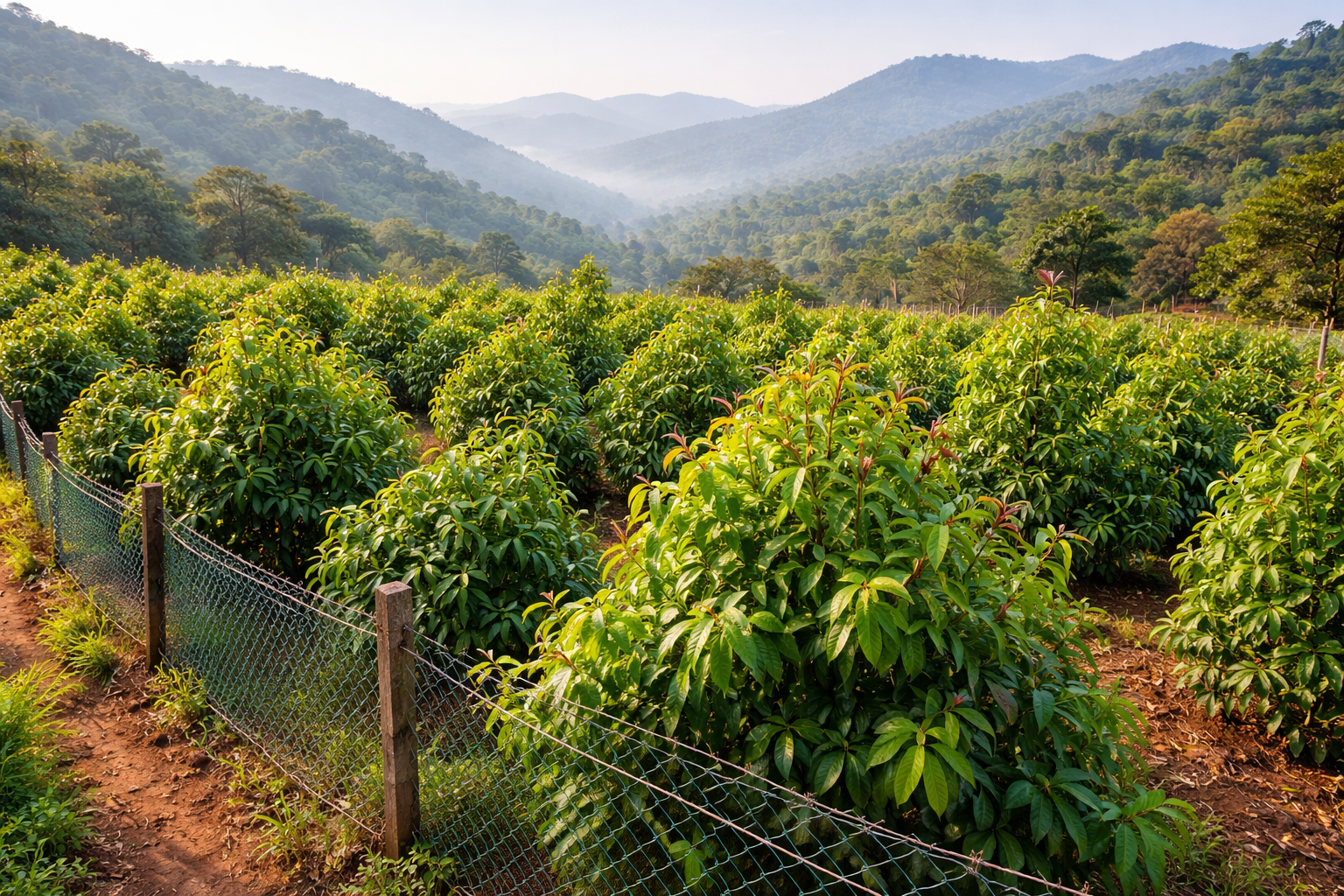
Cinnamon farming is a high-value spice crop known for its rich aroma, medicinal properties, and strong global demand. Widely used in food, wellness, and processing industries, it thrives in tropical warm climates.
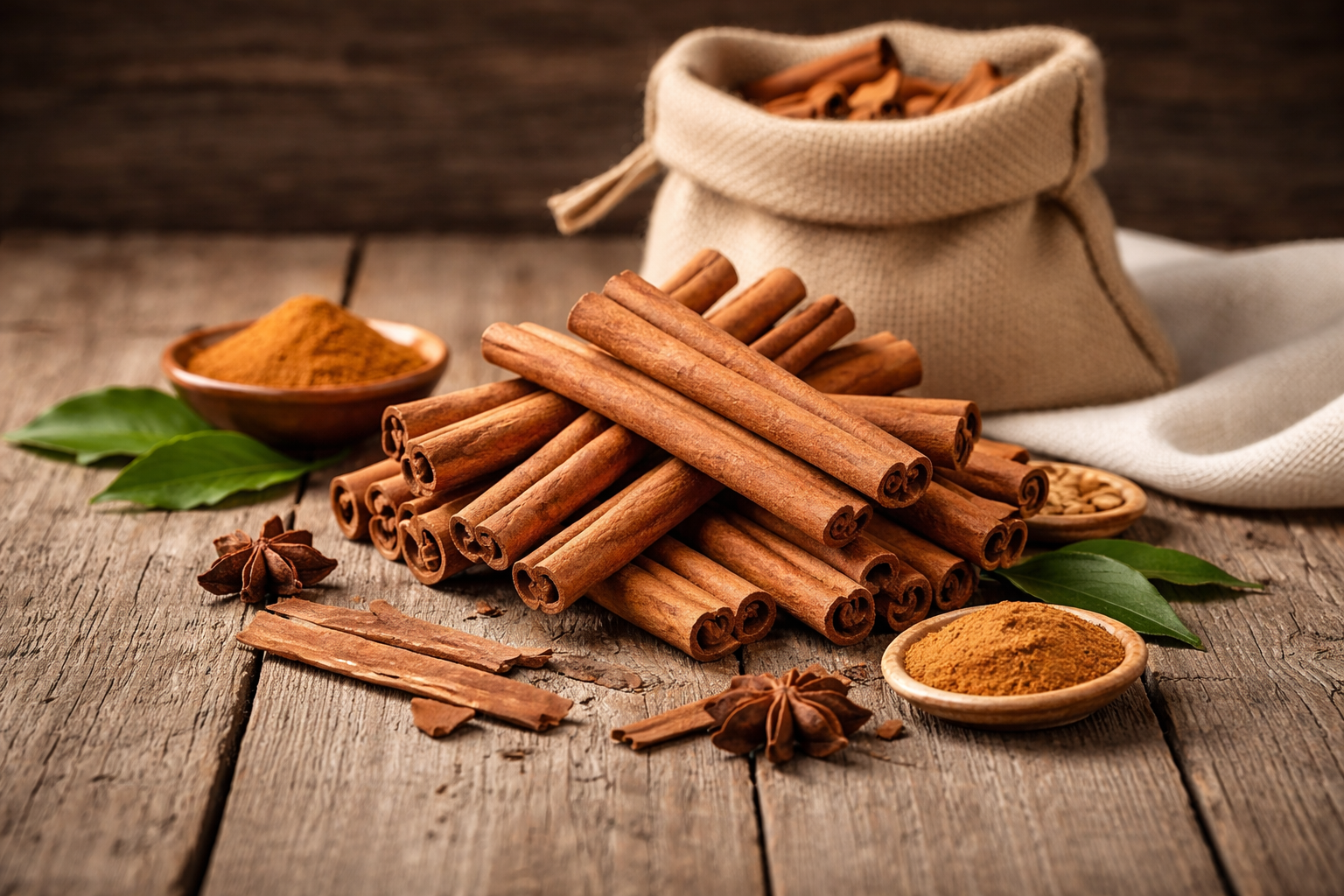
High-quality bark used in spice, oil, and export industries.
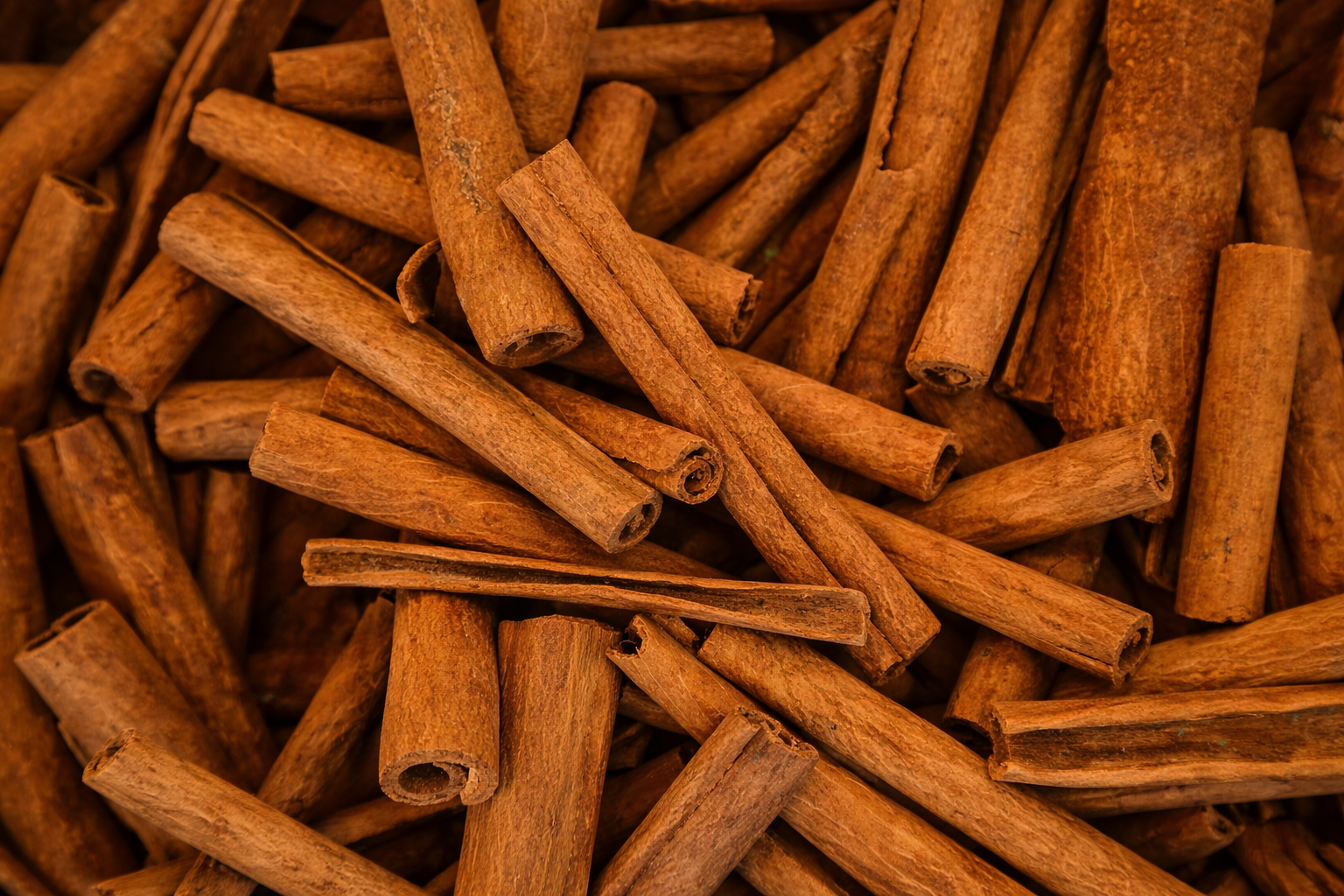
Growing demand across culinary, pharmaceutical, and wellness sectors.
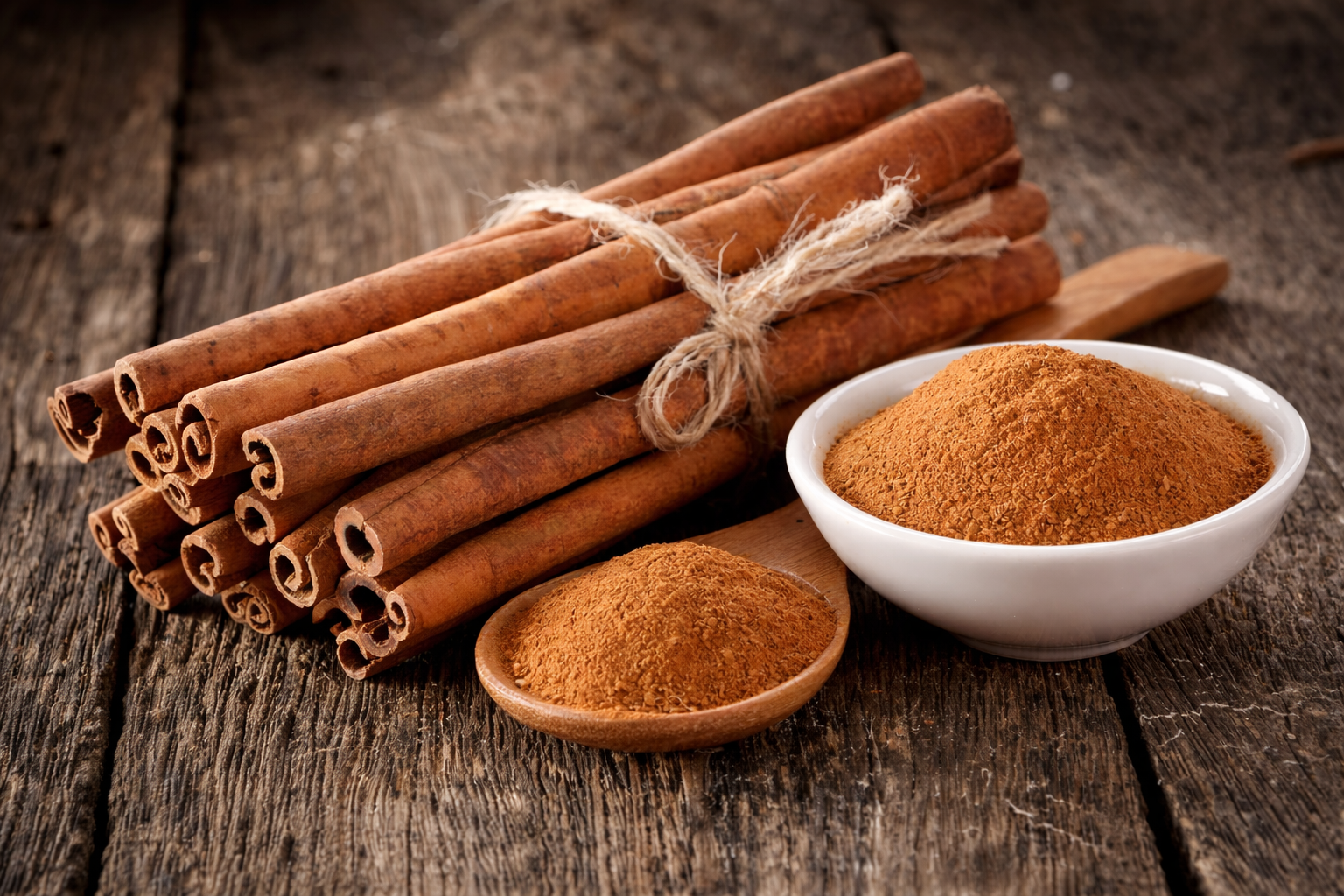
Bark-based crop offering steady and high return potential.
Sundarban Cinnamon Farming Requirements
Cinnamon farming is a high-value spice crop known for its aromatic bark, medicinal benefits, and strong global demand, offering farmers long-term income potential and export-oriented opportunities.
1. Climate Requirements
Temperature: Ideal range 20°C to 32°C.
Humidity: Requires high humidity conditions.
Rainfall: 1250–2500 mm annually.
Light: Prefers partial shade in early stages.
2. Soil Requirements
Type: Well-drained sandy loam soil.
pH Level: Ideal pH 4.5 – 6.5.
Drainage: Essential to avoid root diseases.
Organic Matter: Rich organic content preferred.
3. Land Preparation
Clearing: Remove weeds and bushes completely.
Pit Preparation: Pits of 30×30×30 cm prepared.
Soil Mix: Add compost and organic manure.
Tillage: Proper loosening of soil required.
4. Plantation & Spacing
Spacing: 2 m × 2 m commonly followed.
Density: 2000–2500 plants per acre.
Season: Planting during monsoon season.
Planting Material: Healthy seedlings or cuttings.
5. Water Management
Irrigation: Regular watering in dry periods.
Drip System: Recommended for efficiency.
Moisture: Maintain moderate soil moisture.
Drainage: Avoid water stagnation strictly.
6. Nutrient Management
Organic Matter: Apply compost and mulch.
Fertilizers: Balanced NPK application.
Micronutrients: Magnesium and zinc useful.
Schedule: Apply nutrients in split doses.
7. Plant Care & Maintenance
Pruning: Regular cutting promotes bark growth.
Weeding: Maintain weed-free plantation.
Mulching: Helps retain moisture and nutrients.
Training: Maintain bushy plant structure.
8. Pest & Disease
Pests: Leaf miner and scale insects.
Diseases: Leaf spot and root rot.
Control: Integrated pest management methods.
Prevention: Use healthy planting material.
9. Harvesting & Post Harvest
Harvest Time: Starts after 2–3 years.
Maturity: Stems ready for bark peeling.
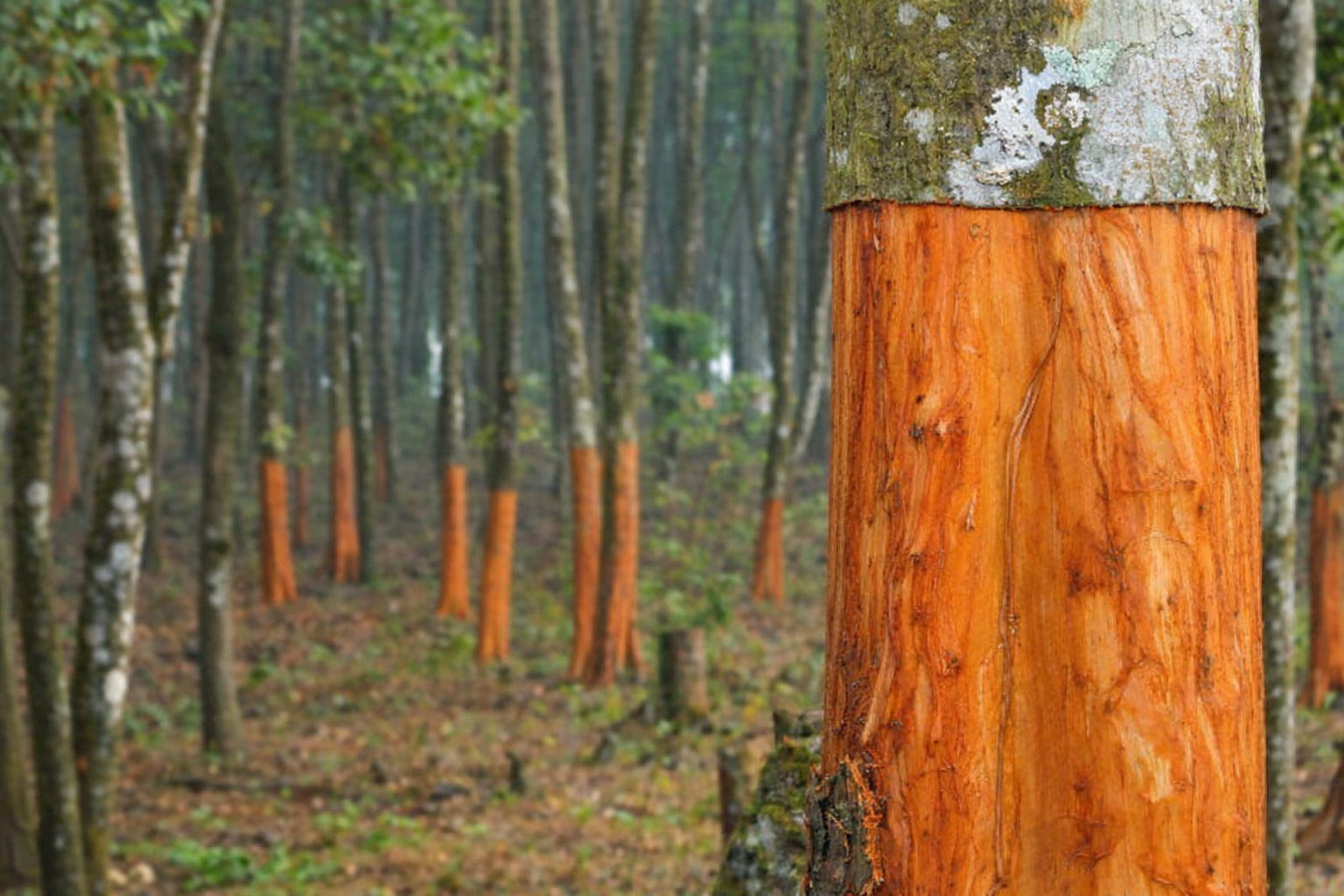
Harvest: Cutting and peeling inner bark.
Post Harvest: Drying, grading, rolling sticks.
Plantation Development Process
Land Preparation
Clearing weeds, improving drainage, and enriching soil with organic matter for cinnamon cultivation.
Pit Preparation Setup
Preparing pits with compost, soil, and manure to support strong root establishment and growth.
Plantation & Spacing
Planting healthy seedlings with proper spacing ensures uniform growth and better bark yield.
Irrigation Setup
Regular irrigation maintains soil moisture, essential during dry periods and early plant growth stages.
Crop Management
Pruning, nutrient application, mulching, and weed control ensure healthy plant development.
Harvest & Processing
Harvesting mature stems, followed by bark peeling, drying, and grading for market readiness.
Plantation Gallery
Farm Layout & Infrastructure
Value Potential
Explore Other Plantations
Visit Our FarmLands
Experience the farms personally and understand the managed plantation model firsthand.