Ginger Farming

The Root of Health with Rising Global Market Demand
High-Value Crop Cultivation Expanding International Demand Profitable Farm Investment
BOTANICAL NAME
Zingiber Officinale
HARVEST CYCLE
7 – 9 Months
SUITABLE CLIMATE
Warm Humid Climate
MARKET VALUE
High Demand Spice Crop
PLANTATION DENSITY
8000 – 10000 Rhizomes/Acre

About Ginger

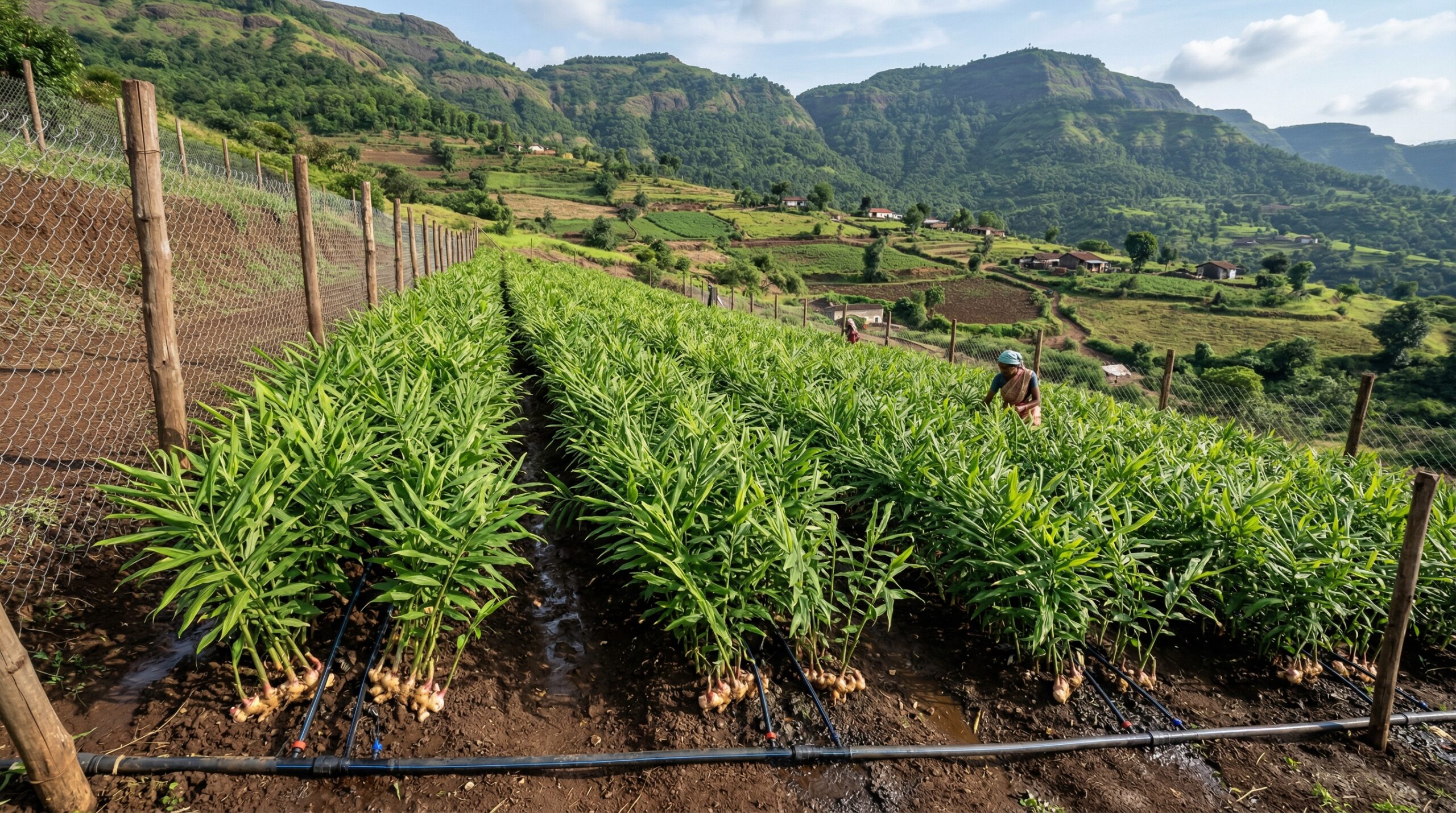
Ginger farming is a high-value spice crop known for its rich aroma, health benefits, and strong market demand. Widely used in food, medicine, and processing industries, it thrives in warm humid climates.
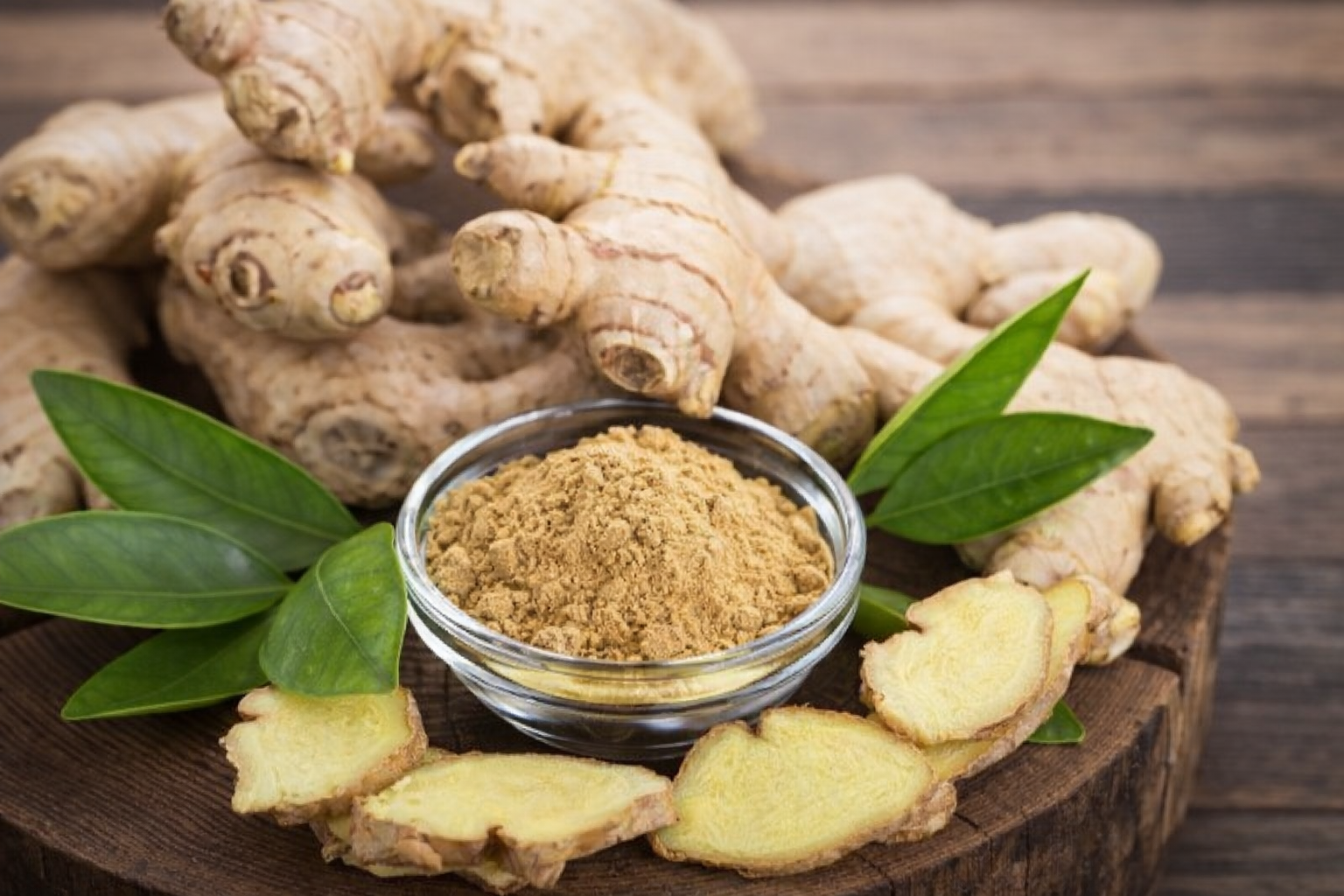
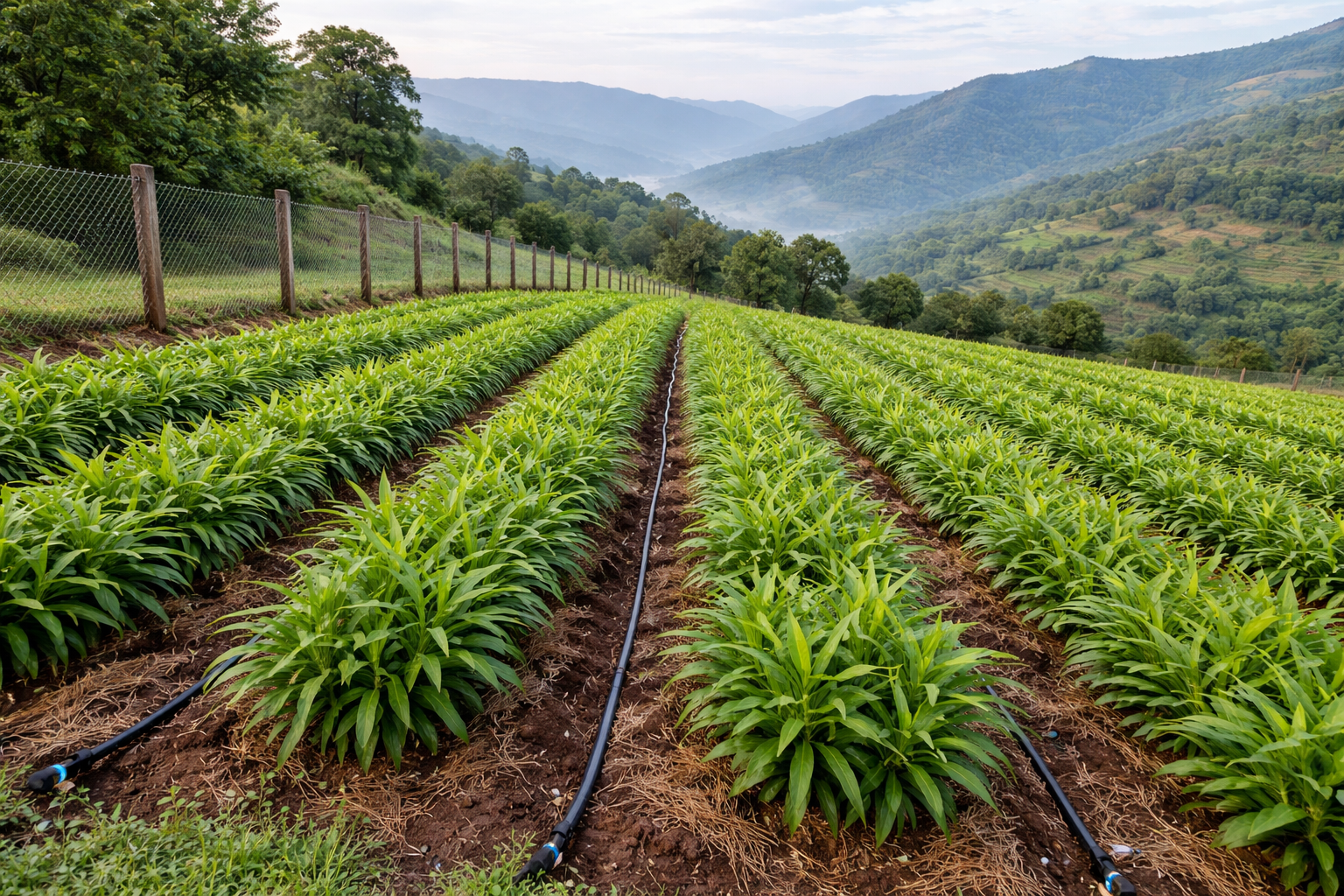
Ginger Plantation

High-quality rhizomes used in spice, oil, and export industries.
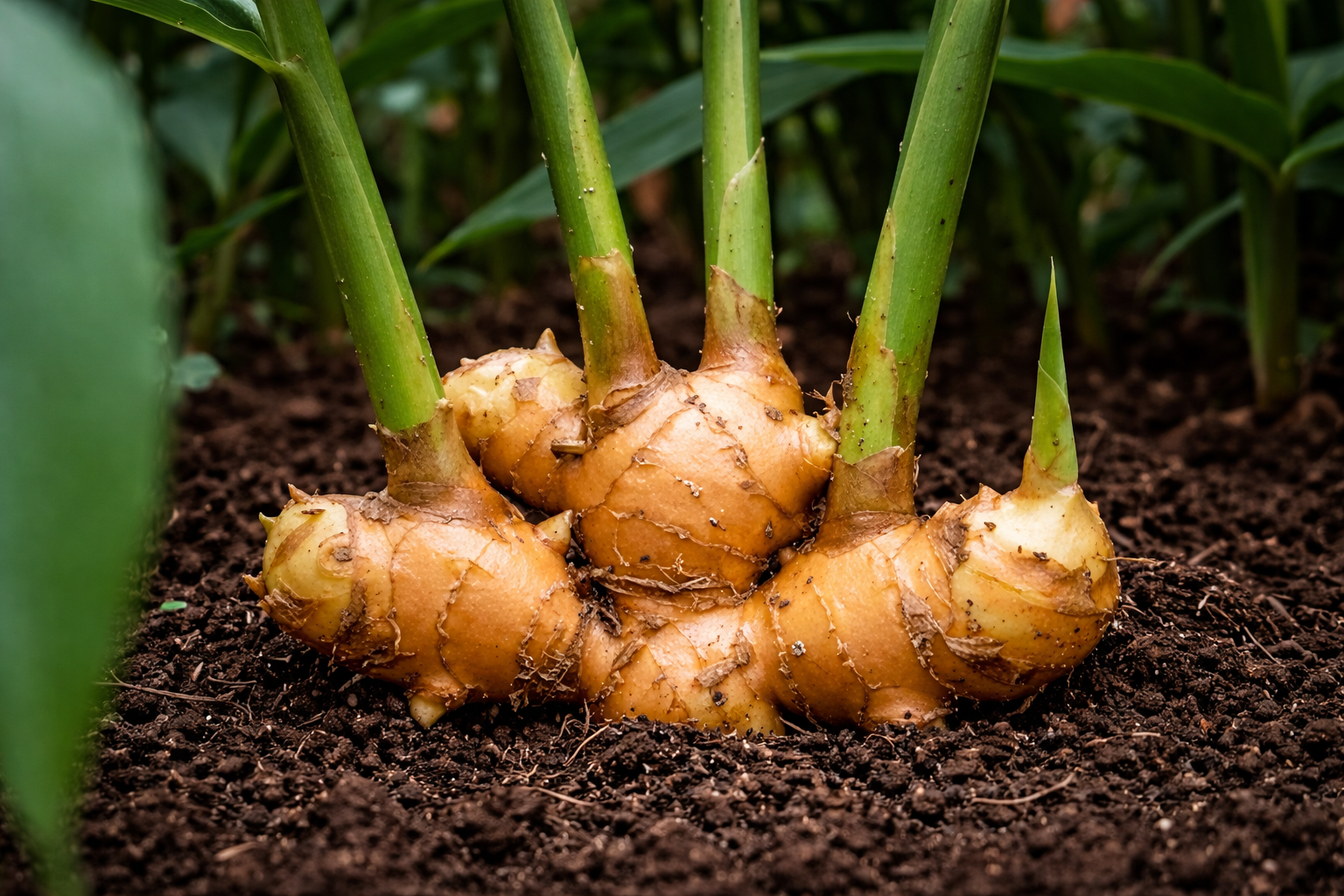
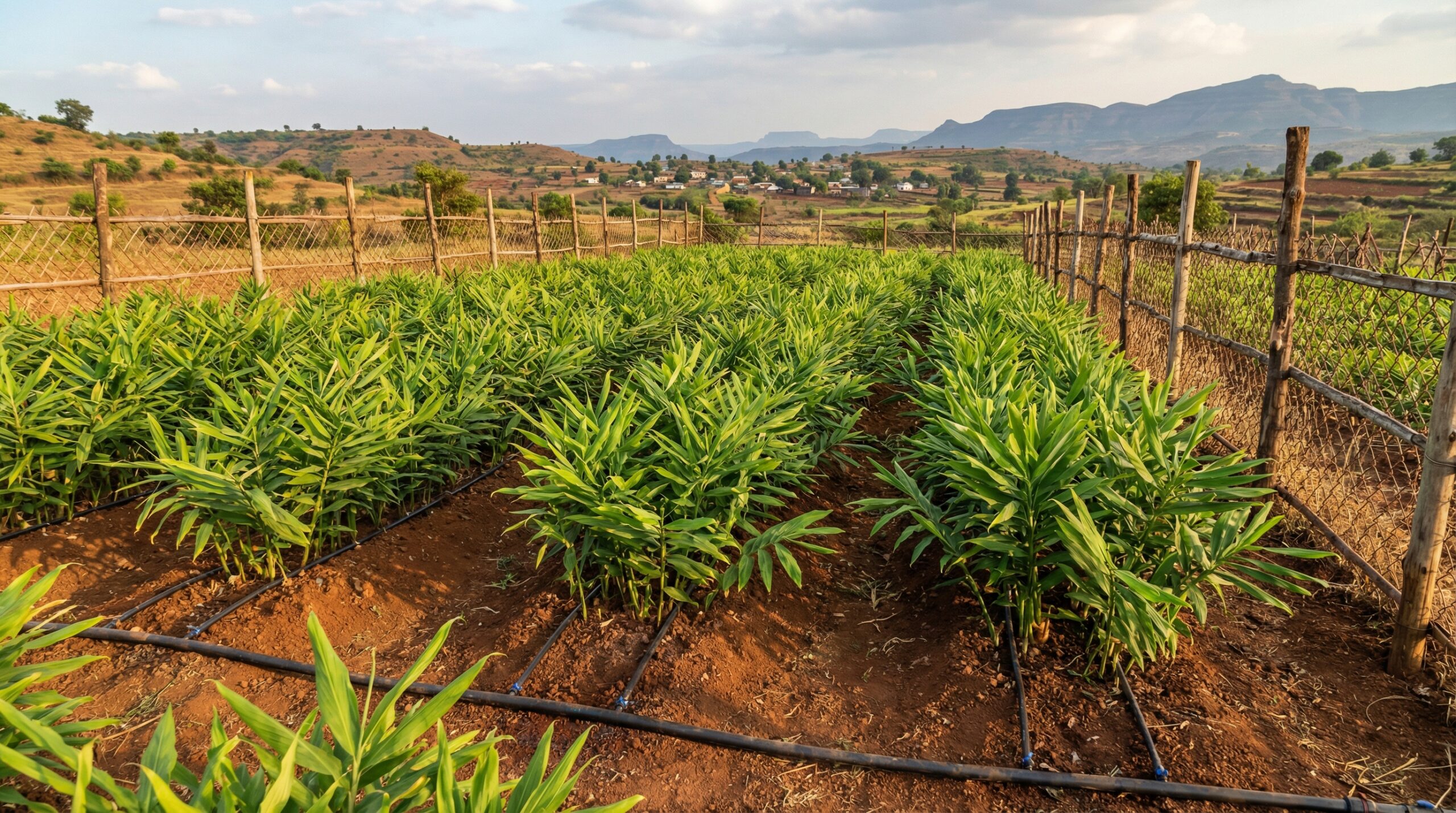
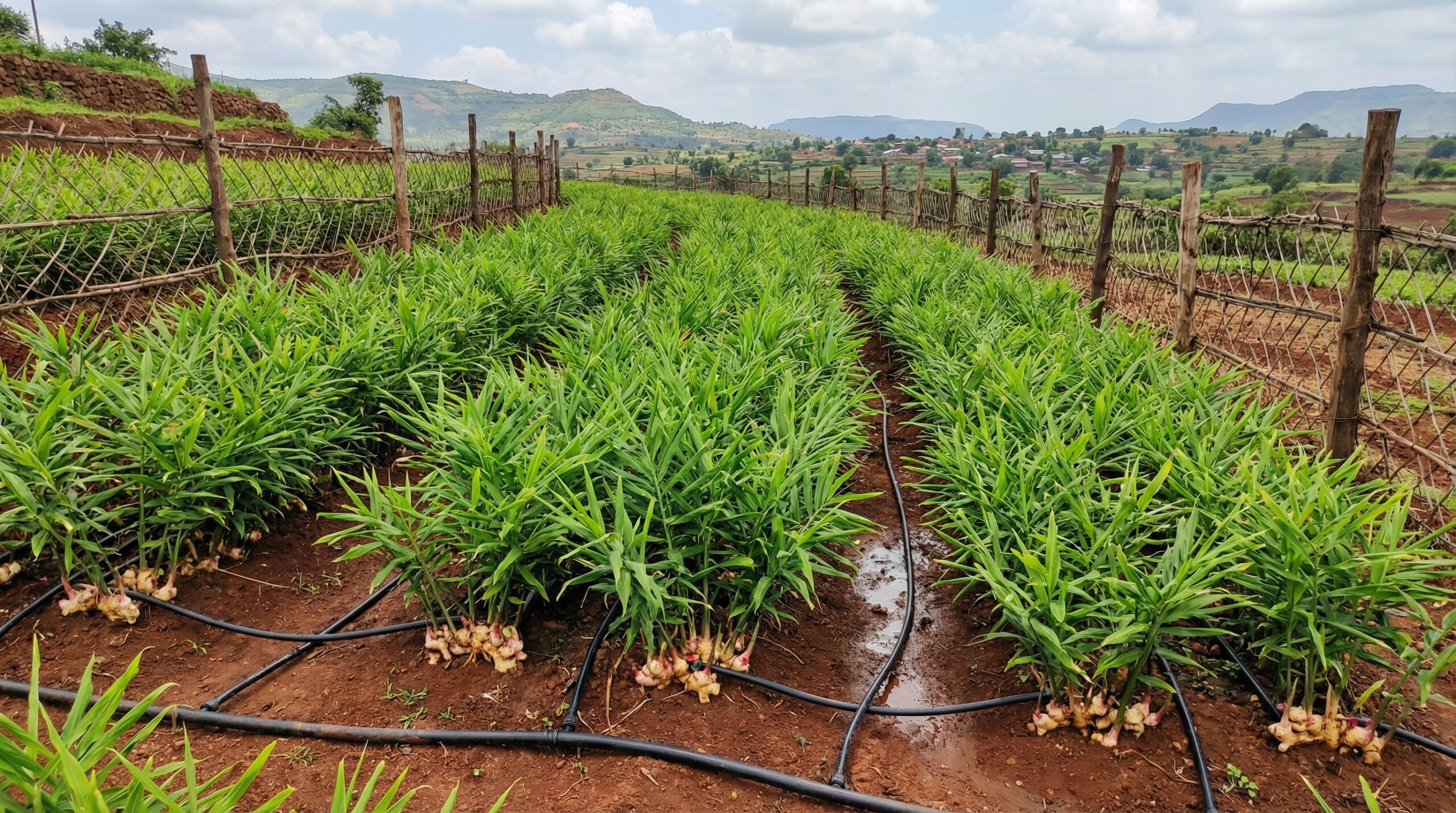
Ginger Growth

Growing demand across culinary, pharmaceutical, and wellness sectors.
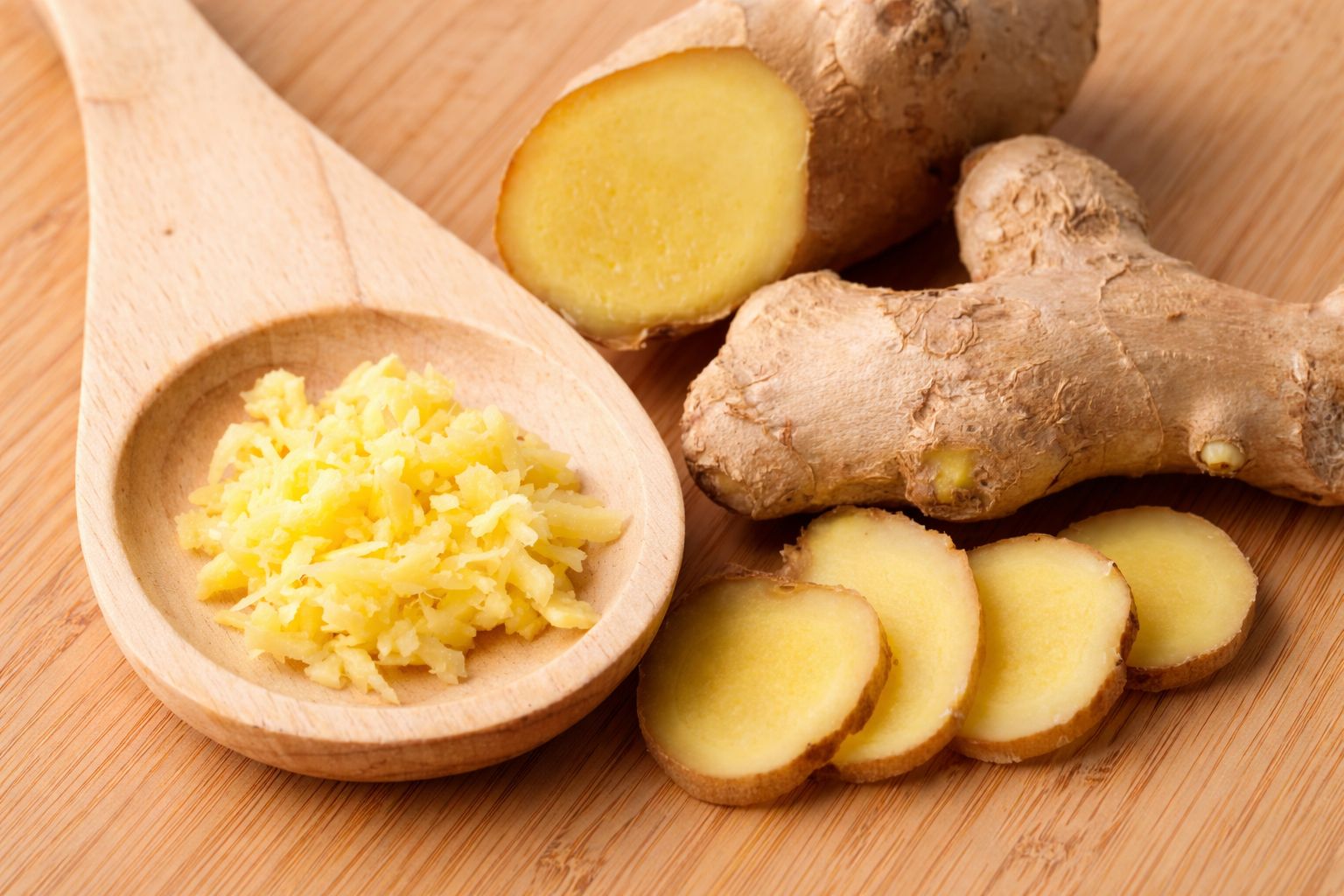
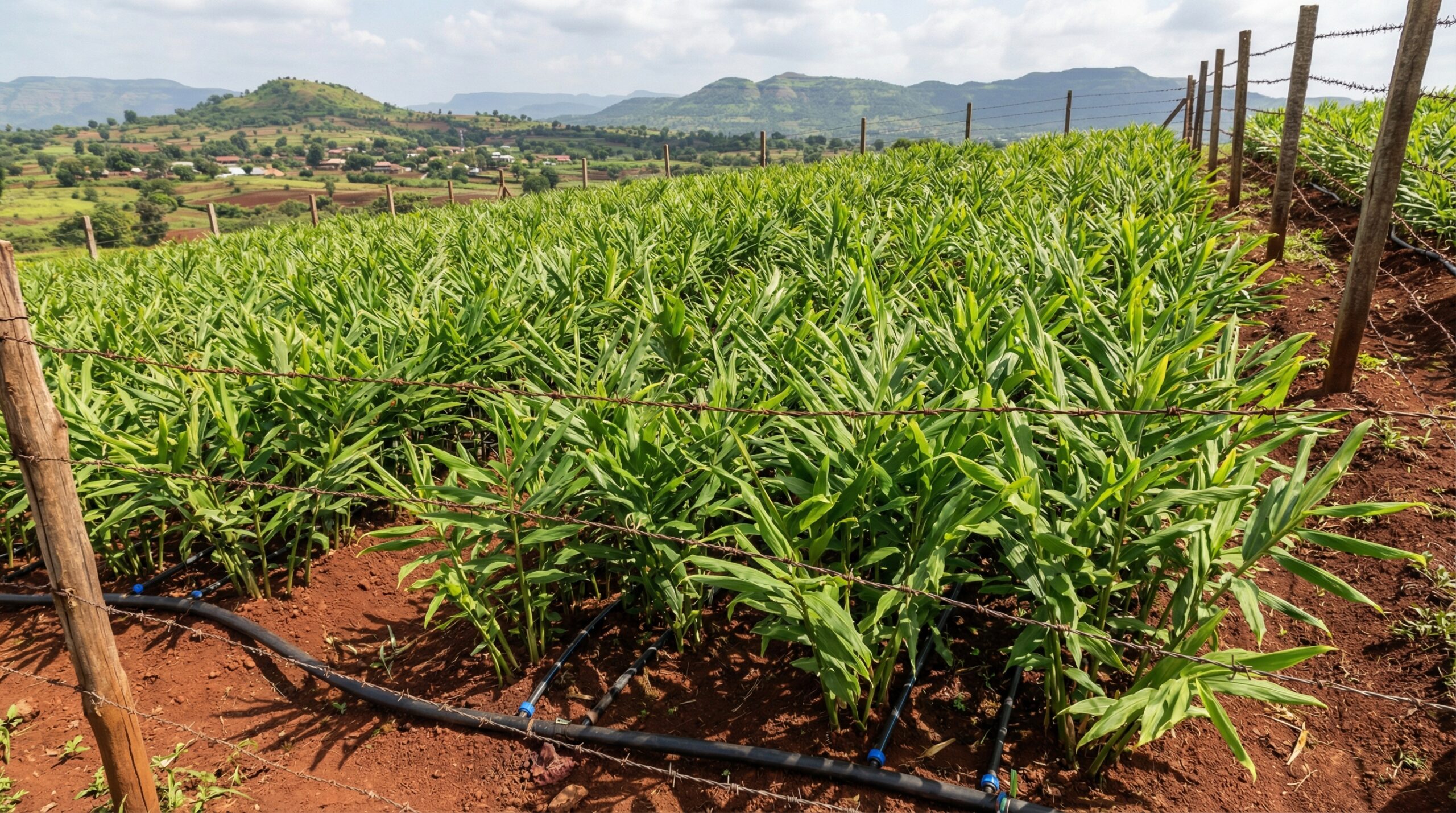
Ginger Processing

Underground crop offering steady and high return potential.

Ginger Farming Requirements

Sundarban Ginger Farming Requirements

Ginger farming is a high-value spice crop known for its strong medicinal properties, culinary use, and consistent market demand, offering farmers reliable short-term returns and wide processing opportunities.

1. Climate Requirements

Temperature: Ideal range 20°C to 30°C.

Humidity: Requires moderate to high humidity.

Rainfall: 1200–1500 mm annually.

Light: Prefers partial shade conditions.

2. Soil Requirements

Type: Well-drained loamy or sandy soil.

pH Level: Ideal pH 5.5 – 6.5.

Drainage: Critical to prevent rhizome rot.

Organic Matter: High organic content required.

3. Land Preparation

Clearing: Remove weeds and crop residues.

Bed Preparation: Raised beds recommended.

Soil Mix: Add compost and FYM.

Tillage: Fine tilth for rhizome growth.

4. Plantation & Spacing

Spacing: 30 cm × 20 cm recommended.

Density: 8000–10000 plants per acre.

Season: Planting before monsoon.

Planting Material: Healthy seed rhizomes.

5. Water Management

Irrigation: Regular light irrigation required.

Drip System: Efficient and recommended.

Moisture: Maintain consistent soil moisture.

Drainage: Avoid waterlogging strictly.

6. Nutrient Management

Organic Matter: Apply compost and mulch.

Fertilizers: Balanced NPK required.

Micronutrients: Zinc and boron beneficial.

Schedule: Split application in stages.

7. Plant Care & Maintenance

Mulching: Conserves moisture and suppress weeds.

Weeding: Regular removal required.

Earthing Up: Promotes rhizome development.

Shading: Protect from direct harsh sunlight.

8. Pest & Disease

Pests: Shoot borer and rhizome scale.

Diseases: Soft rot and bacterial wilt.

Control: Integrated pest management.

Prevention: Use disease-free rhizomes.

9. Harvesting & Post Harvest

Harvest Time: Ready in 7–9 months.

Maturity: Leaves turn yellow and dry.

Harvest: Uprooting of rhizomes.

Post Harvest: Cleaning, drying, grading.

Plantation Development Process

1

Land Preparation

Clearing weeds, improving drainage, and enriching soil with organic matter for ginger cultivation.

2

Bed Preparation Setup

Preparing raised beds with compost, soil, and manure to support healthy rhizome development.

3

Plantation & Spacing

Planting quality seed rhizomes with proper spacing ensures uniform growth and higher yield.

4

Irrigation Setup

Drip irrigation maintains consistent moisture, essential during dry periods and early growth stages.

5

Crop Management

Mulching, nutrient application, earthing up, and weed control ensure healthy crop development.

6

Harvest & Processing

Harvesting mature rhizomes, followed by cleaning, drying, and grading for market readiness.

Plantation Gallery

Plantation Gallery

Farm Layout & Infrastructure

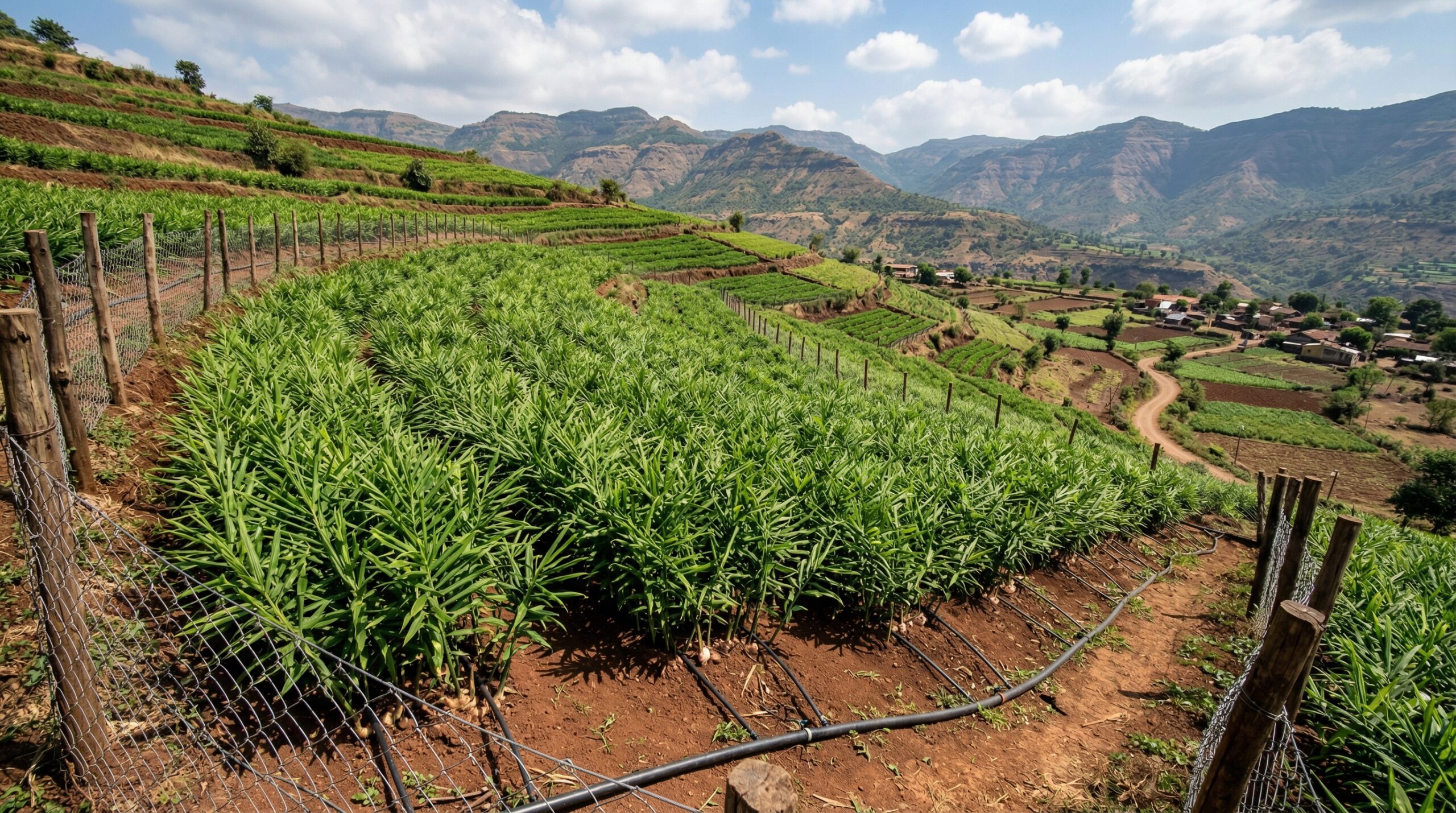
Ginger farms use raised beds for proper drainage and rhizome development. Planting is done using healthy seed rhizomes in enriched soil. Mulching is essential to retain moisture and suppress weeds. Drip irrigation maintains uniform soil moisture throughout growth. Earthing up and nutrient management ensure higher yield.

Value Potential

Plants per Acre
8000 – 10000
Harvest Period
7 – 9 Months
Market Demand
Food, pharma, export markets
High Value Crop
Short duration spice crop
Investment ROI Potential
₹1.5L – ₹4L / Acre
Returns start within 7–9 months. Yield ranges from 8–12 tons per acre. High profitability with proper management.

Explore Other Plantations
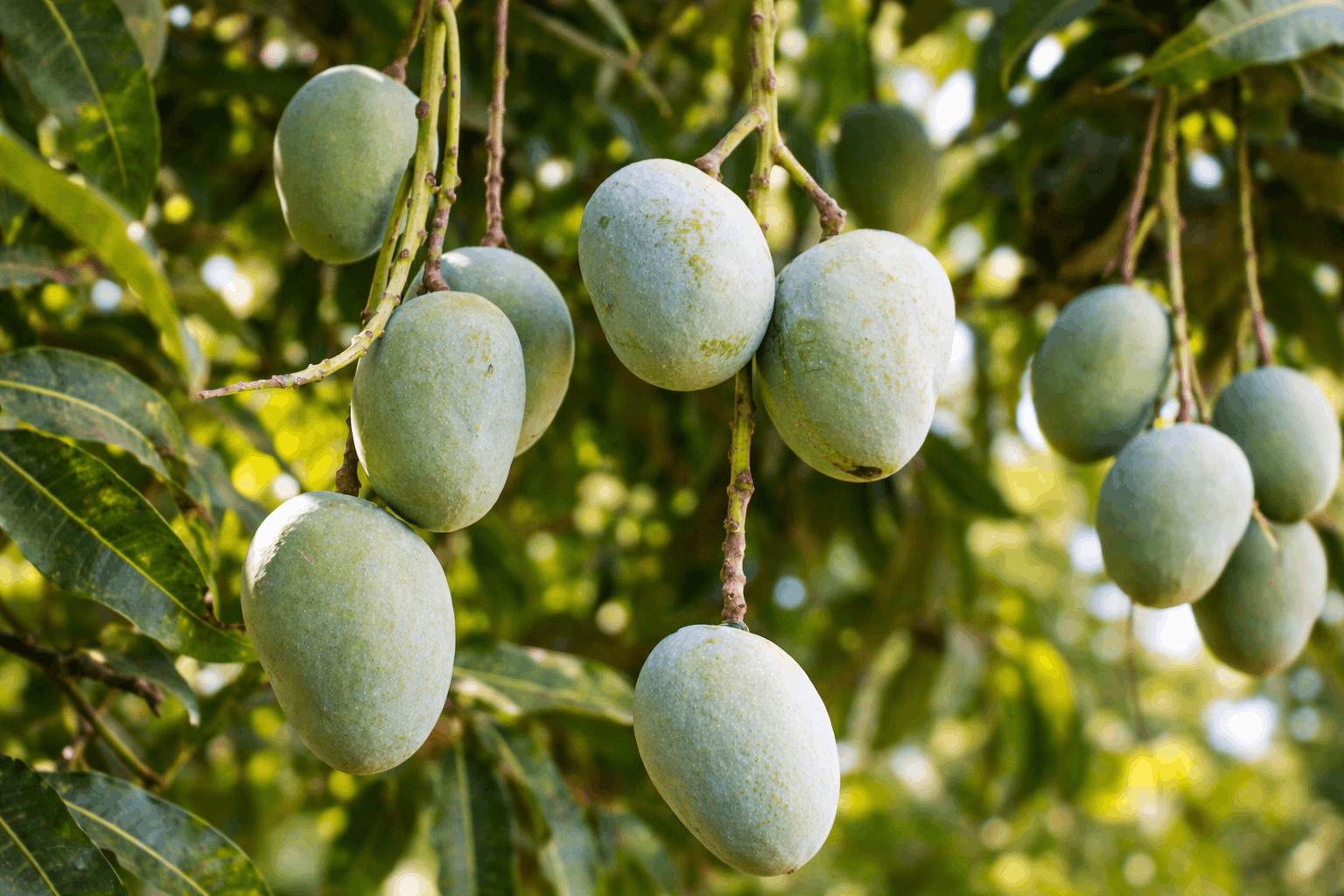
Mango Farm
Bamboo
Macadamia
Sandalwood

Visit Our FarmLands

Experience the farms personally and understand the managed plantation model firsthand.

Frequently Asked Questions

What is the Ginger cultivation cycle?

Ginger is a short-duration crop that matures in 7–9 months. It is usually planted before monsoon and harvested when leaves dry, allowing farmers to generate returns within the same year.

How many Ginger plants can be grown per acre?

Typically, 8000 to 10000 ginger plants are cultivated per acre using proper spacing on raised beds, ensuring healthy rhizome development, good aeration, and higher productivity.

Who manages the Ginger farm?

Professional farm management includes seed rhizome selection, bed preparation, irrigation setup, mulching, nutrient application, pest control, and continuous monitoring for optimal yield.

What is the expected Ginger yield?

A well-managed ginger farm can produce around 8–12 tons per acre. Yield depends on soil quality, irrigation, seed quality, and proper crop management practices.

Can investors visit the Ginger farm?

Yes. Investors can schedule farm visits to understand ginger cultivation, field practices, harvesting methods, and overall commercial spice farming operations on-site.

Let’s Build Your Farm Investment

Contact Us
First
Last