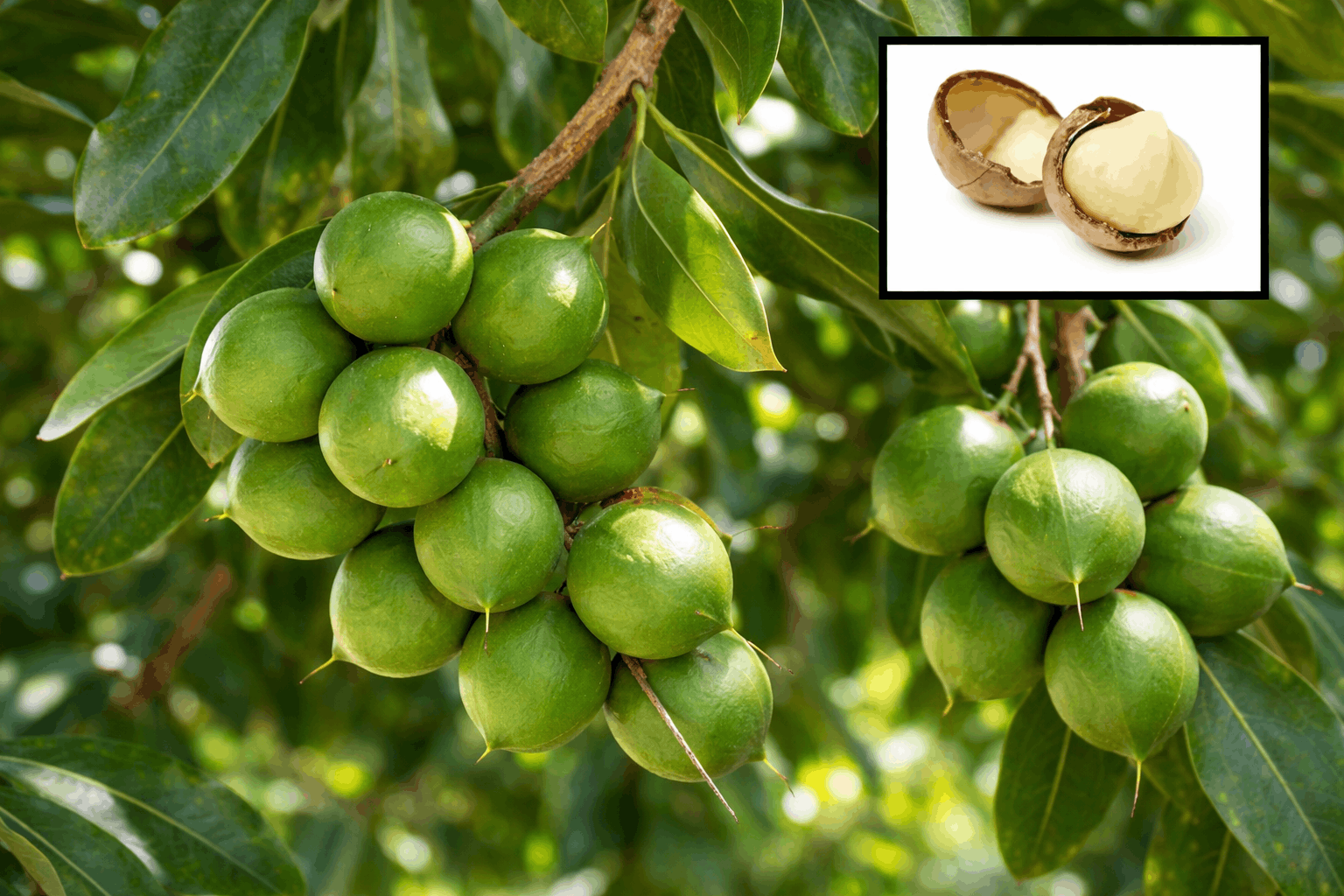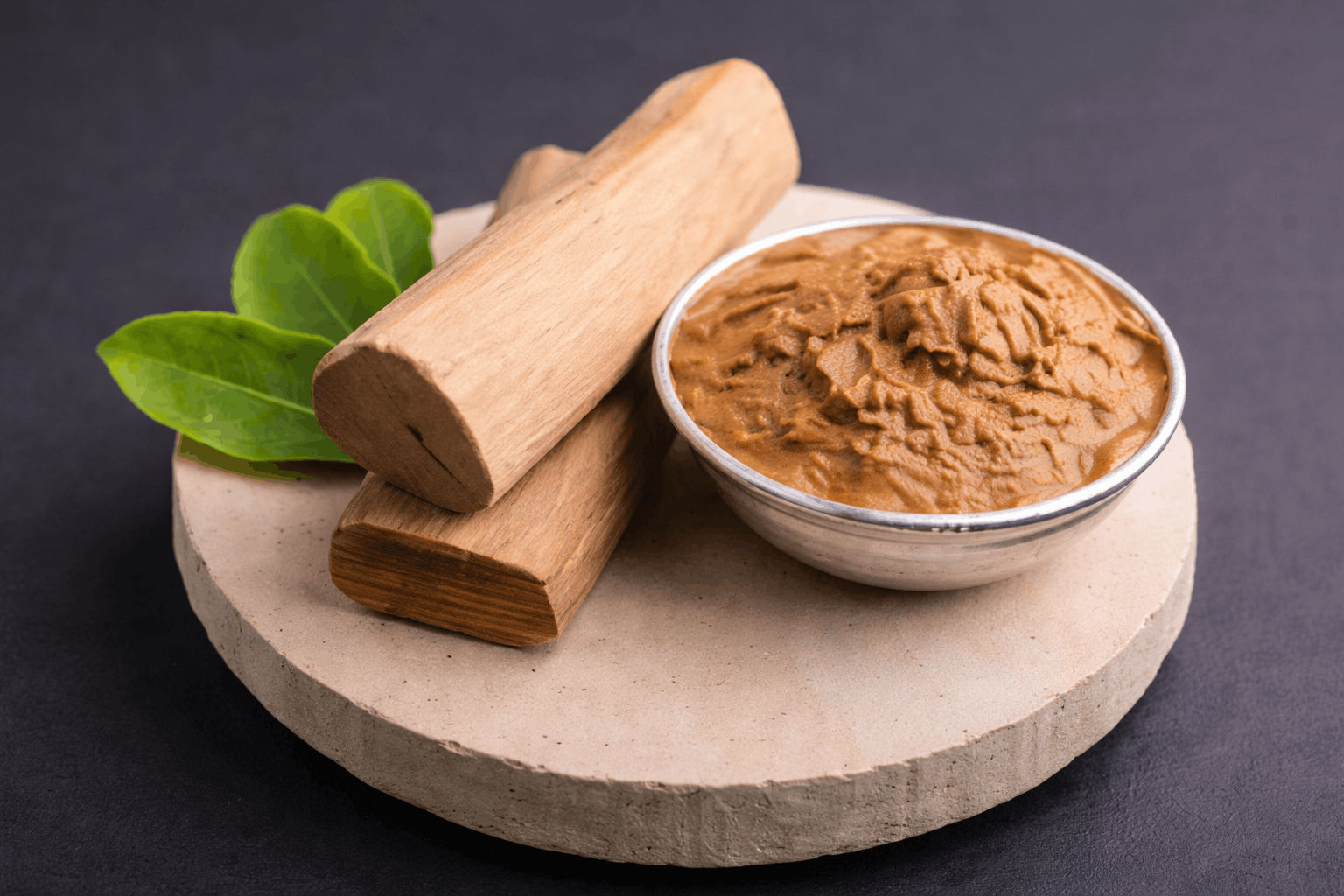
Indian Bay Leaf Farming
About Indian Bay Leaf
Indian Bay Leaf farming is a valuable spice crop known for its aromatic leaves, medicinal uses, and strong market demand. Widely used in cooking, herbal remedies, and food processing, it thrives in subtropical climates.
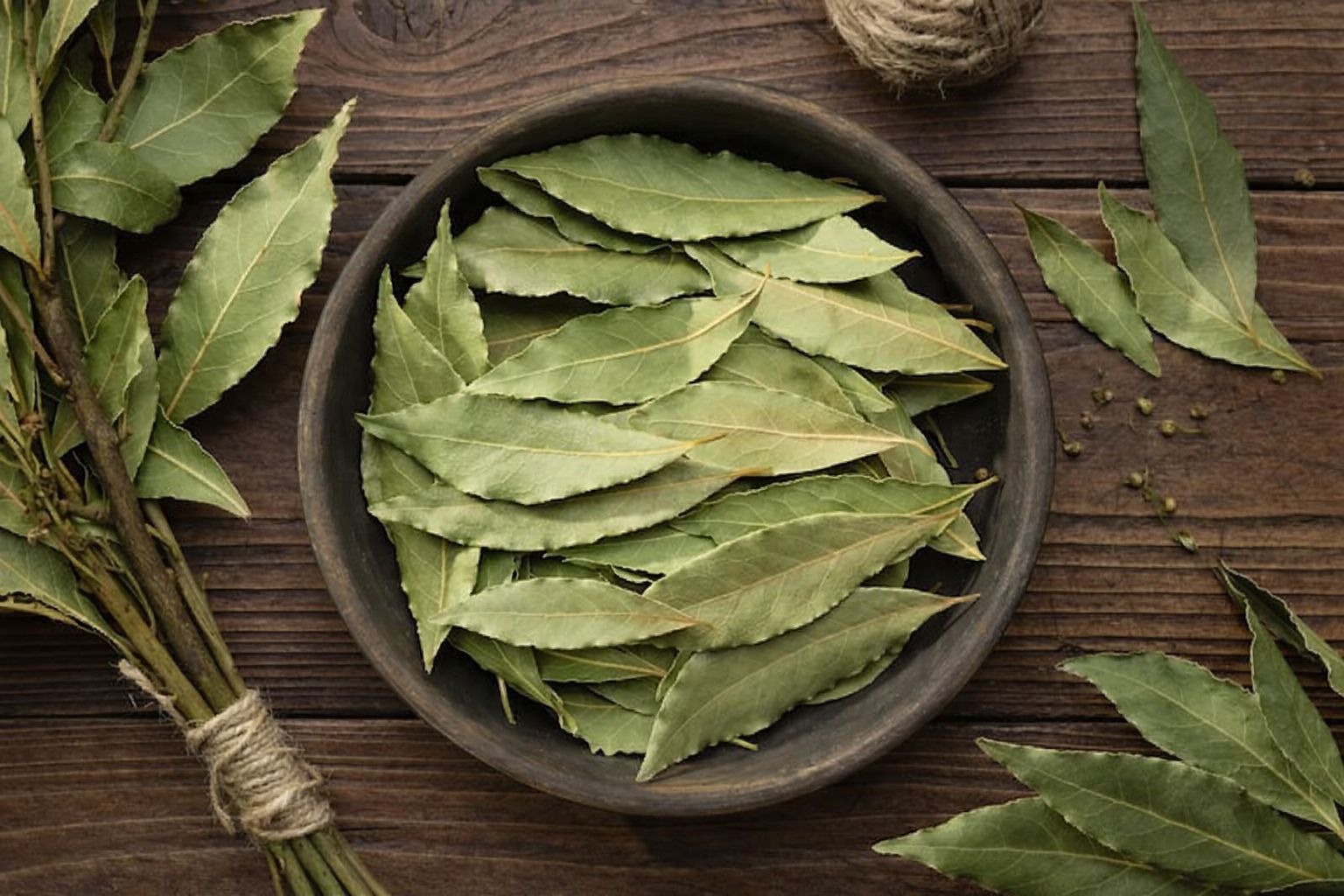
Premium aromatic leaves for spice, medicinal, and export use.
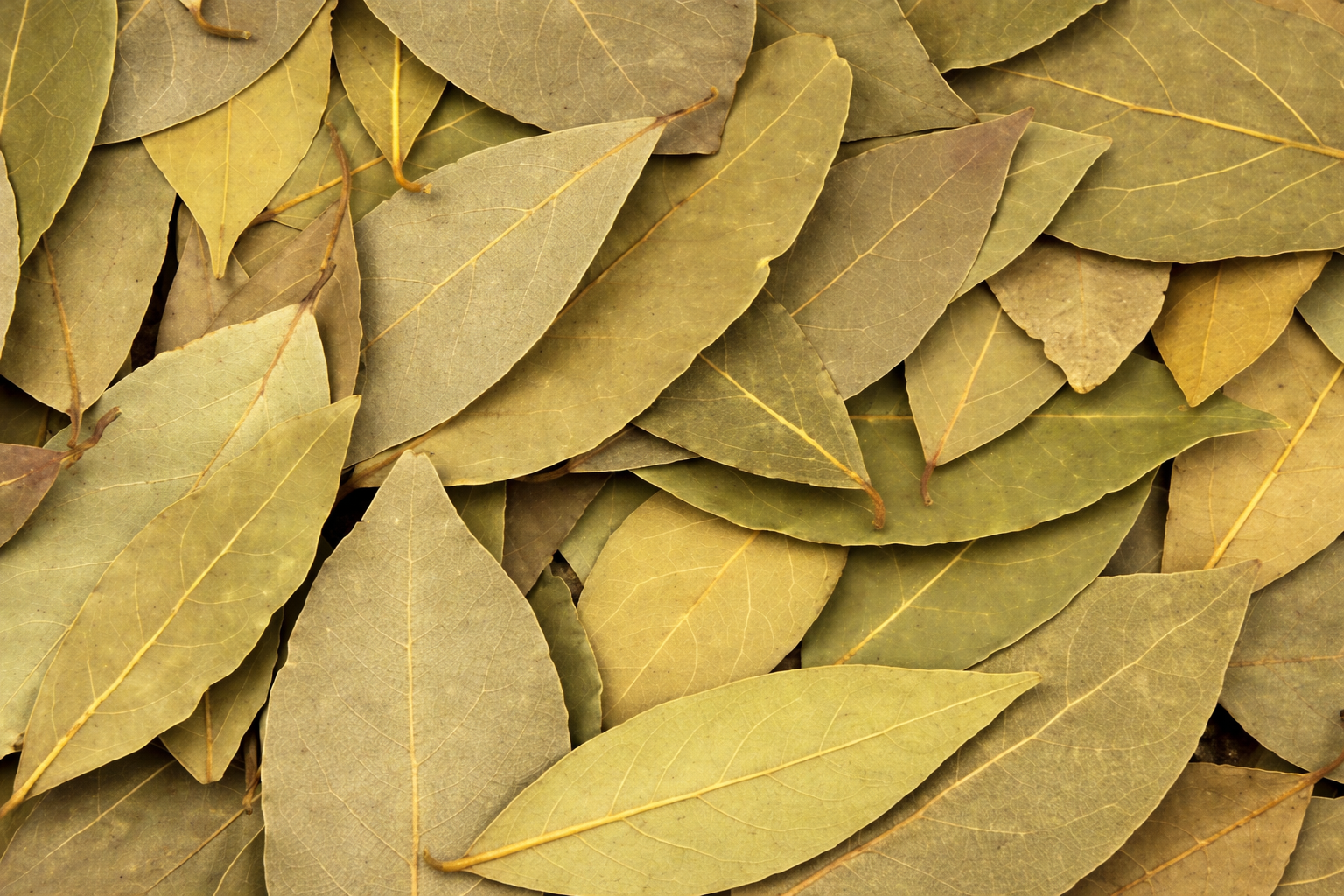
High-demand crop in culinary, herbal, and global markets.
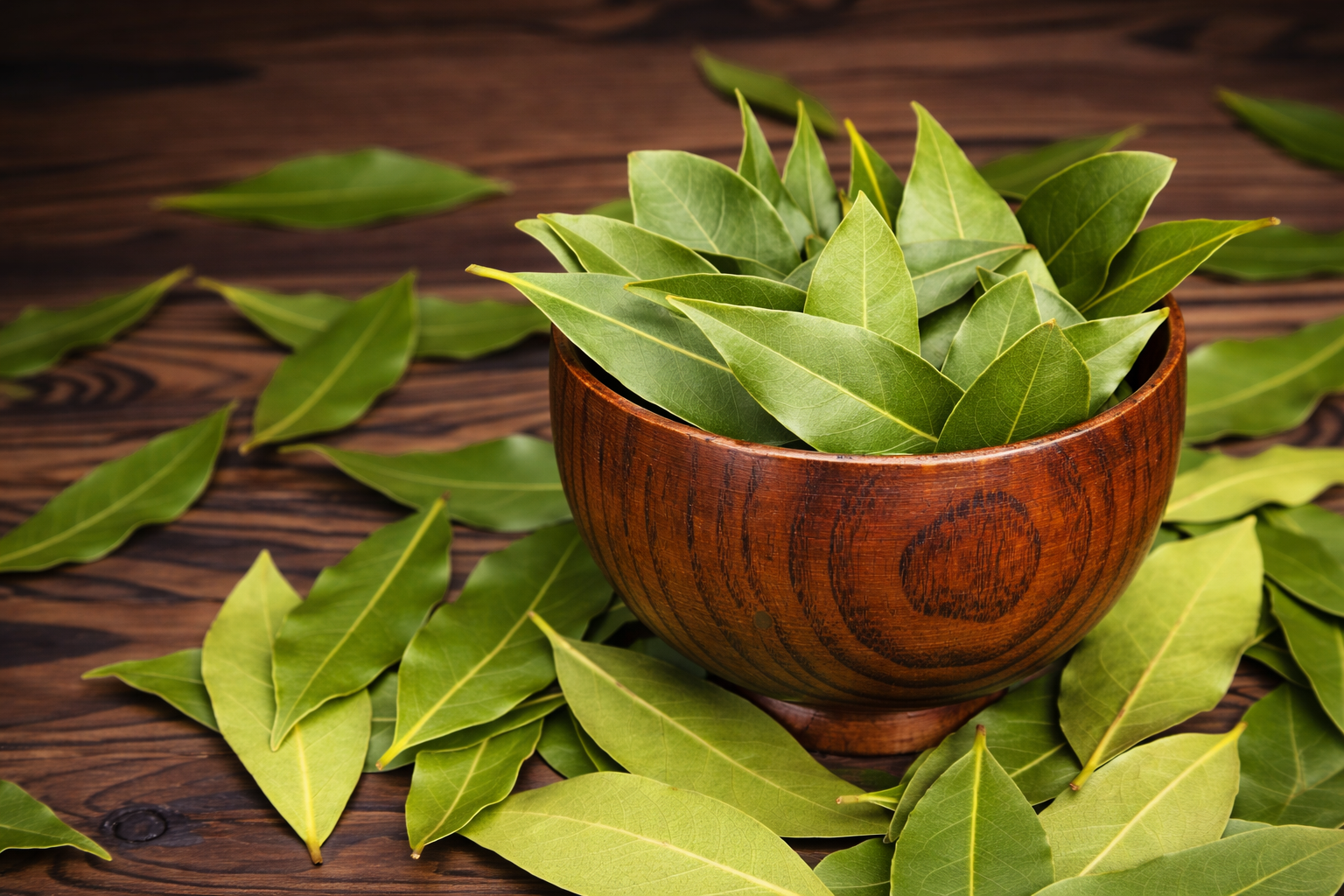
Long-term plantation farming with steady income potential.
Sundarban Indian Bay Leaf Farming Requirements
Indian Bay Leaf farming is a high-value spice crop known for its aromatic leaves, medicinal benefits, and consistent demand in culinary and herbal industries, offering long-term and sustainable income potential.
1. Climate Requirements
Temperature: Ideal range 10°C to 30°C.
Humidity: Prefers moderate to high humidity.
Rainfall: 1000–2500 mm annually.
Light: Partial shade to filtered sunlight.
2. Soil Requirements
Type: Well-drained loamy or sandy soil.
pH Level: Ideal pH 5.5 – 7.0.
Drainage: Good drainage is essential.
Organic Matter: Rich organic soil preferred.
3. Land Preparation
Ploughing: Deep ploughing and soil loosening.
Pit Preparation: Pits filled with compost mix.
Soil Mix: Add FYM or organic manure.
Leveling: Maintain proper drainage slope.
4. Plantation & Spacing
Spacing: 3 m × 3 m recommended.
Density: 400–600 plants per acre.
Season: Planting during monsoon season.
Planting Material: Healthy saplings used.
5. Water Management
Irrigation: Moderate watering required.
Drip System: Efficient for water saving.
Water Quality: Low salinity water preferred.
Drainage: Avoid waterlogging conditions.
6. Nutrient Management
Organic Matter: Apply compost or FYM.
Fertilizers: Balanced NPK as required.
Micronutrients: Iron and zinc beneficial.
Schedule: Apply nutrients periodically.
7. Plant Care & Maintenance
Weeding: Regular weed control needed.
Mulching: Helps retain soil moisture.
Pruning: Encourages leaf production.
Interculture: Maintain healthy growth.
8. Pest & Disease
Pests: Leaf feeders and scale insects.
Diseases: Leaf spot and fungal issues.
Control: Use organic pest management.
Prevention: Ensure proper sanitation.
9. Harvesting & Post Harvest
First Harvest: Starts after 2–3 years.
Maturity: Leaves harvested periodically.
Harvest: Hand plucking of mature leaves.
Post Harvest: Drying and grading leaves.
Plantation Development Process
Land Preparation
Land clearing, leveling, and enriching soil with organic manure for bay leaf plantation.
Pit Preparation Setup
Digging pits and filling with compost mix to support strong root growth and plant stability.
Plantation & Spacing
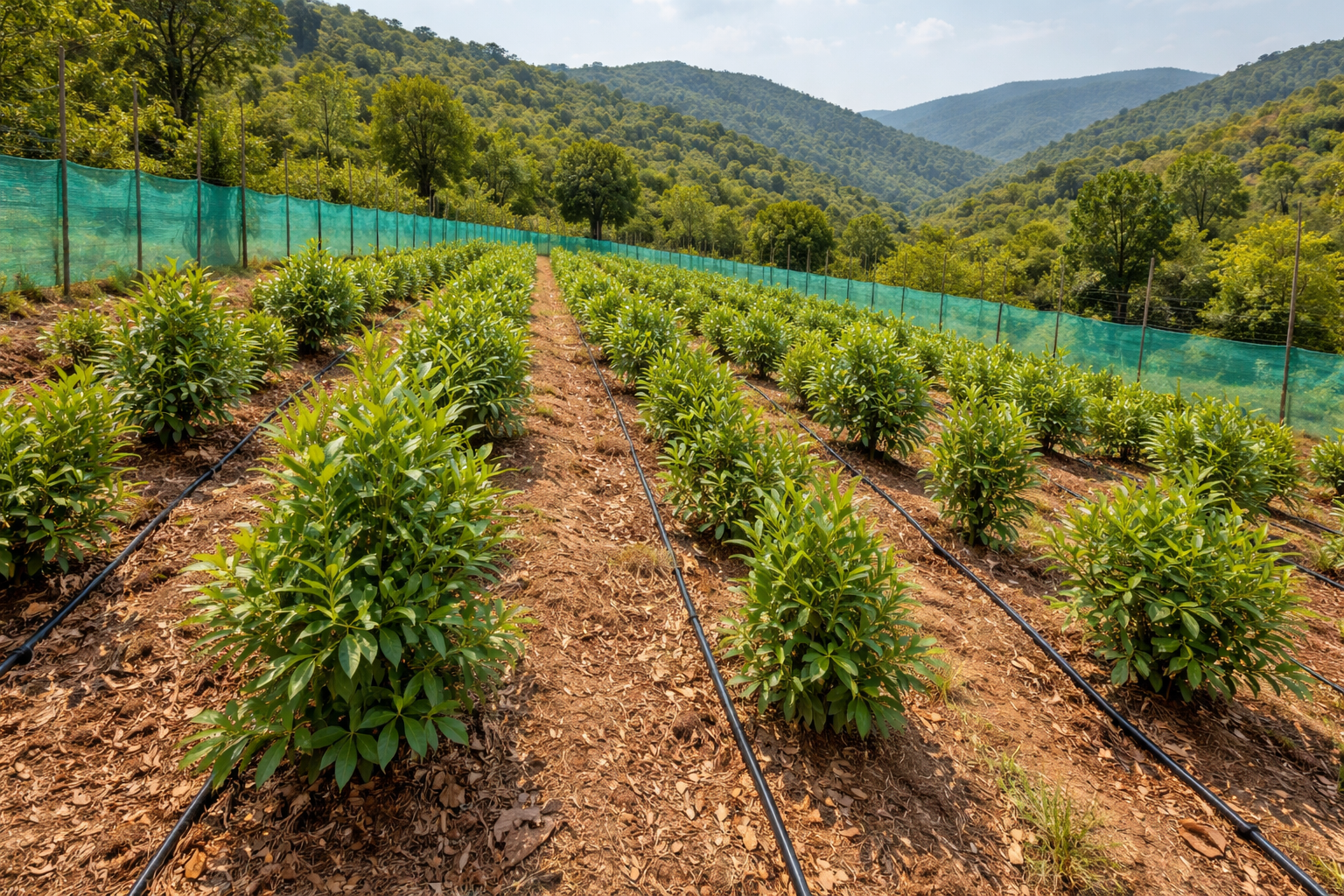
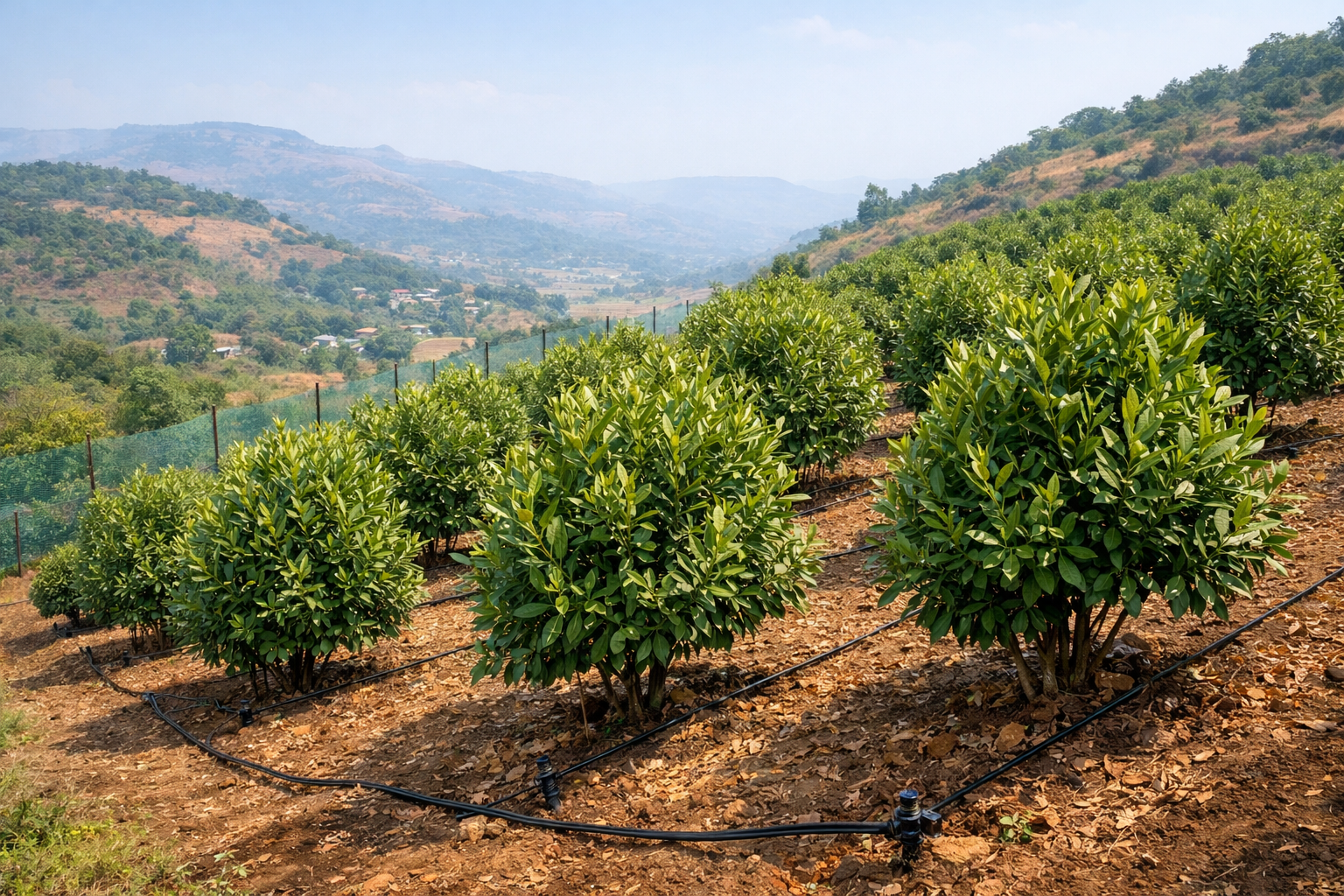
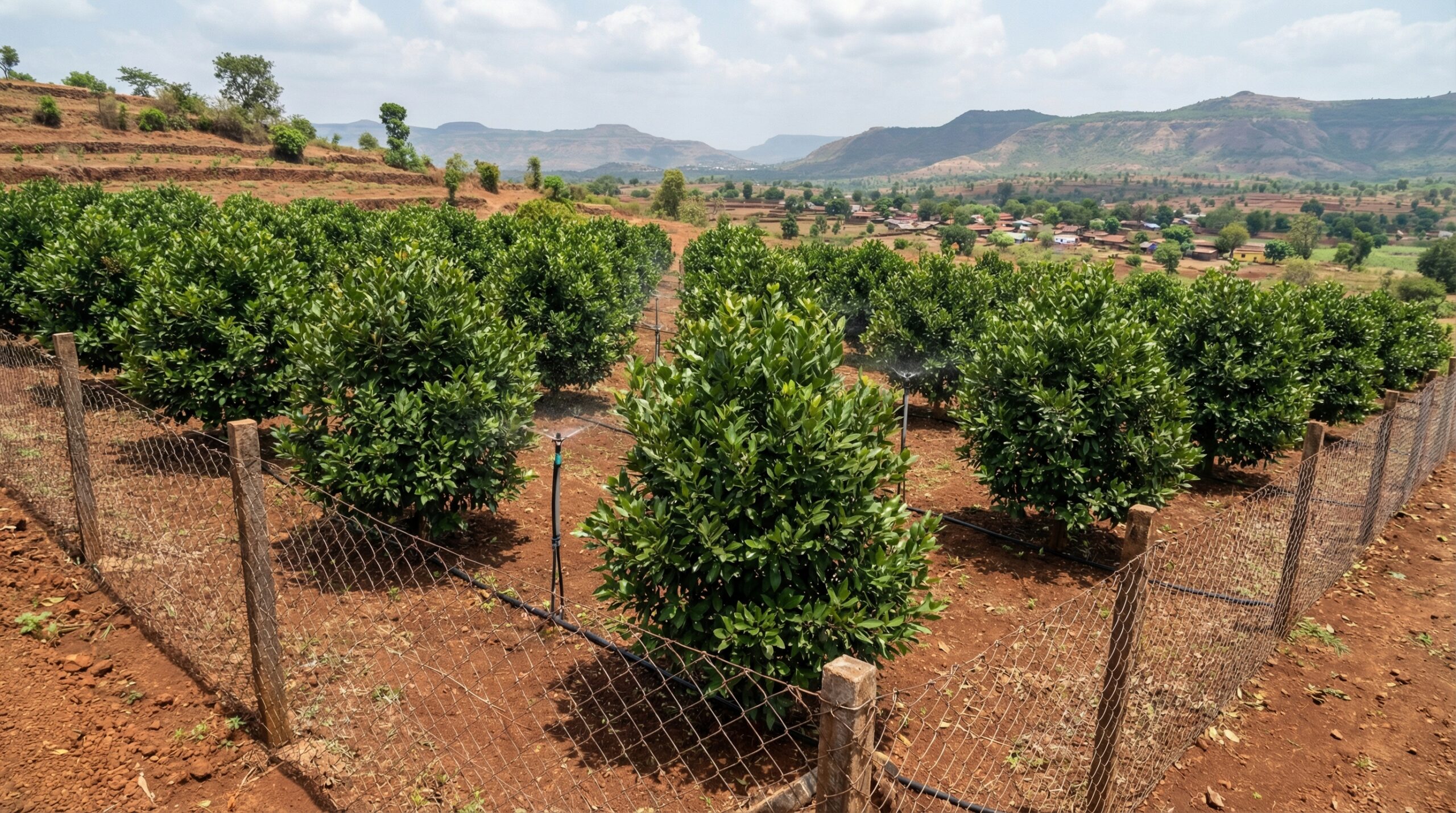
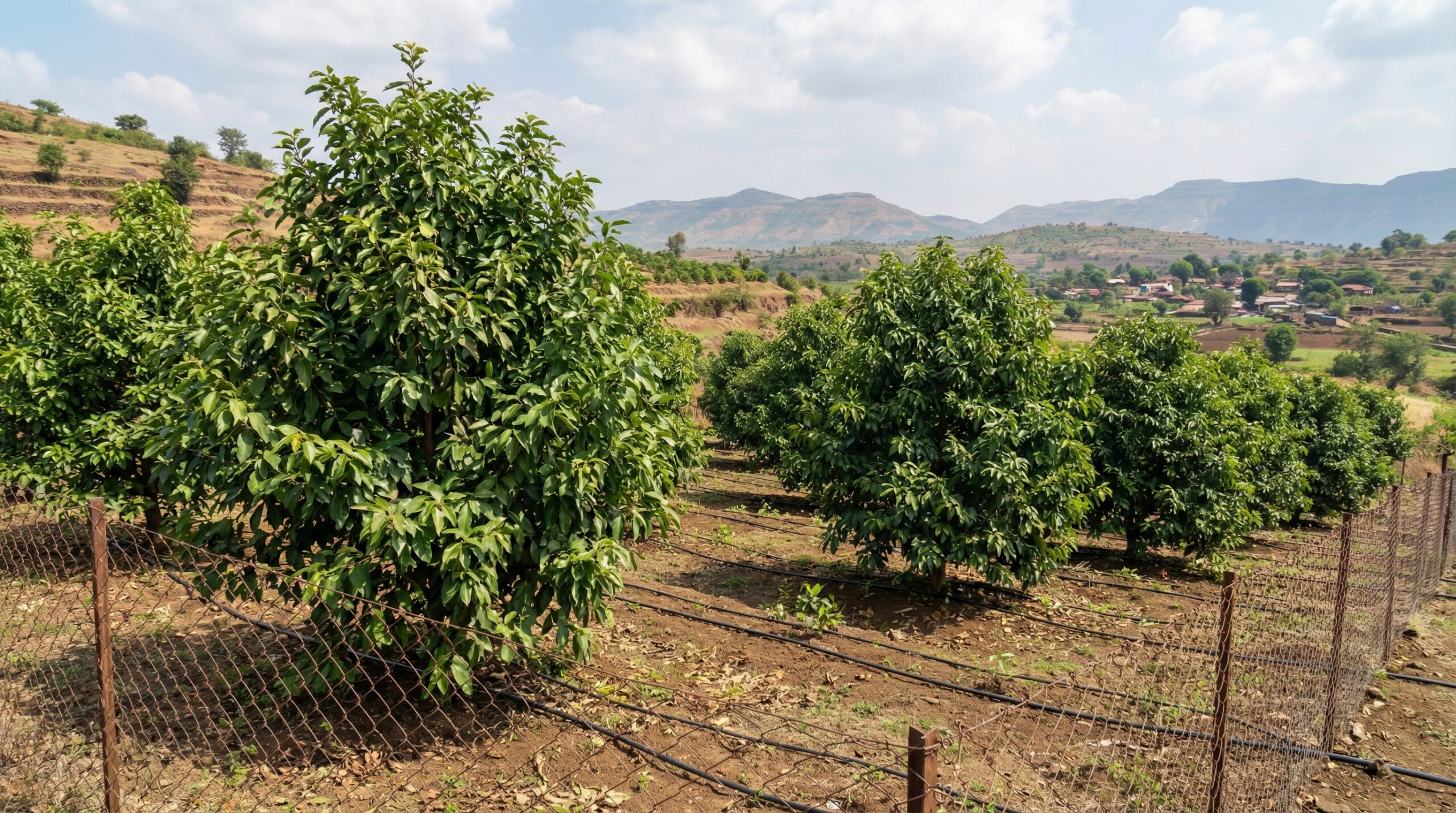
Proper spacing of bay leaf saplings ensures airflow, canopy growth, and higher productivity.
Irrigation Setup
Drip irrigation system installed for balanced moisture and efficient water management.
Crop Management
Weeding, pruning, and mulching for healthy tree growth and continuous leaf production.
Harvest & Processing
Plucking mature leaves followed by drying, grading, and packing for market demand.
Plantation Gallery
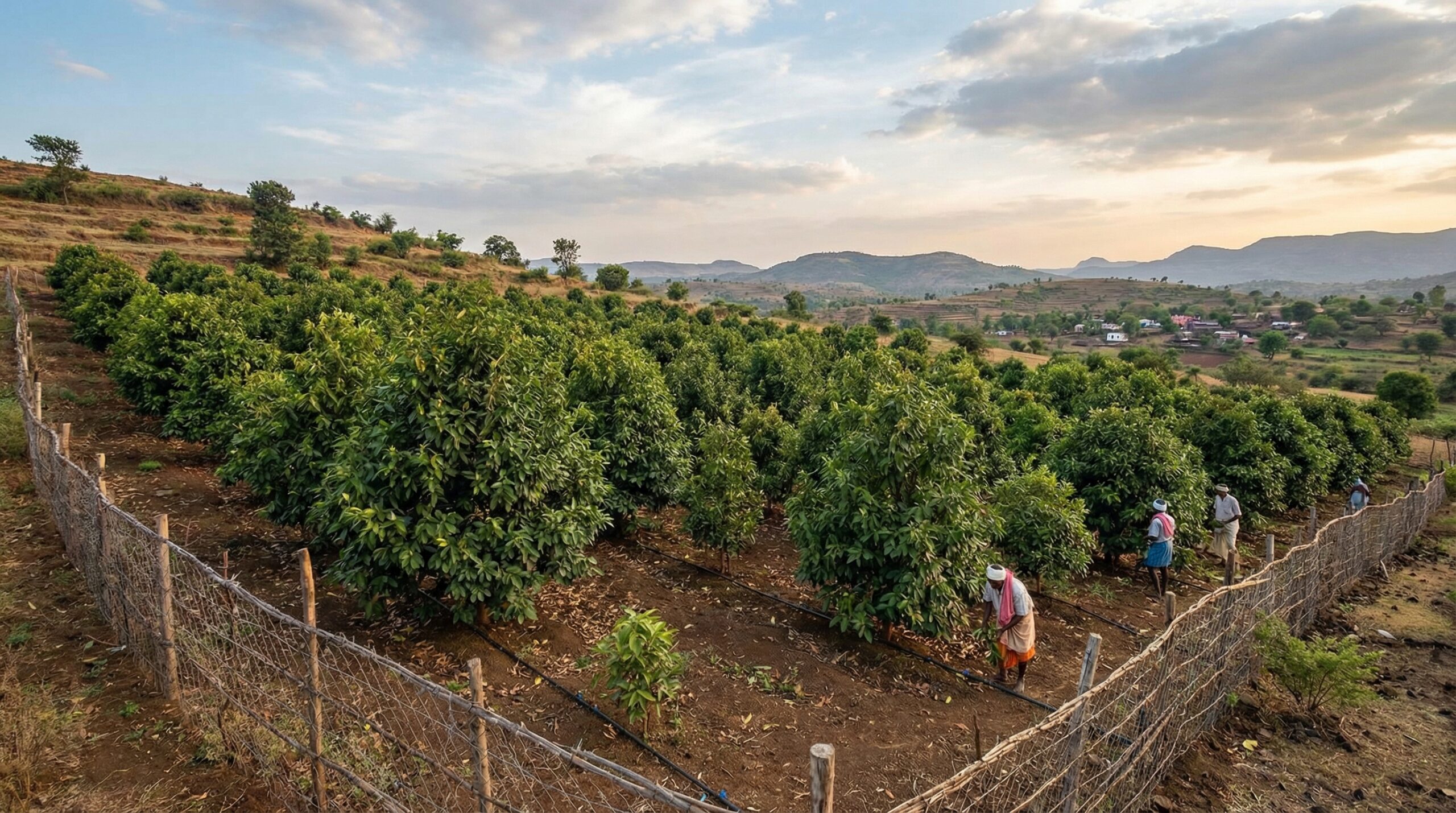
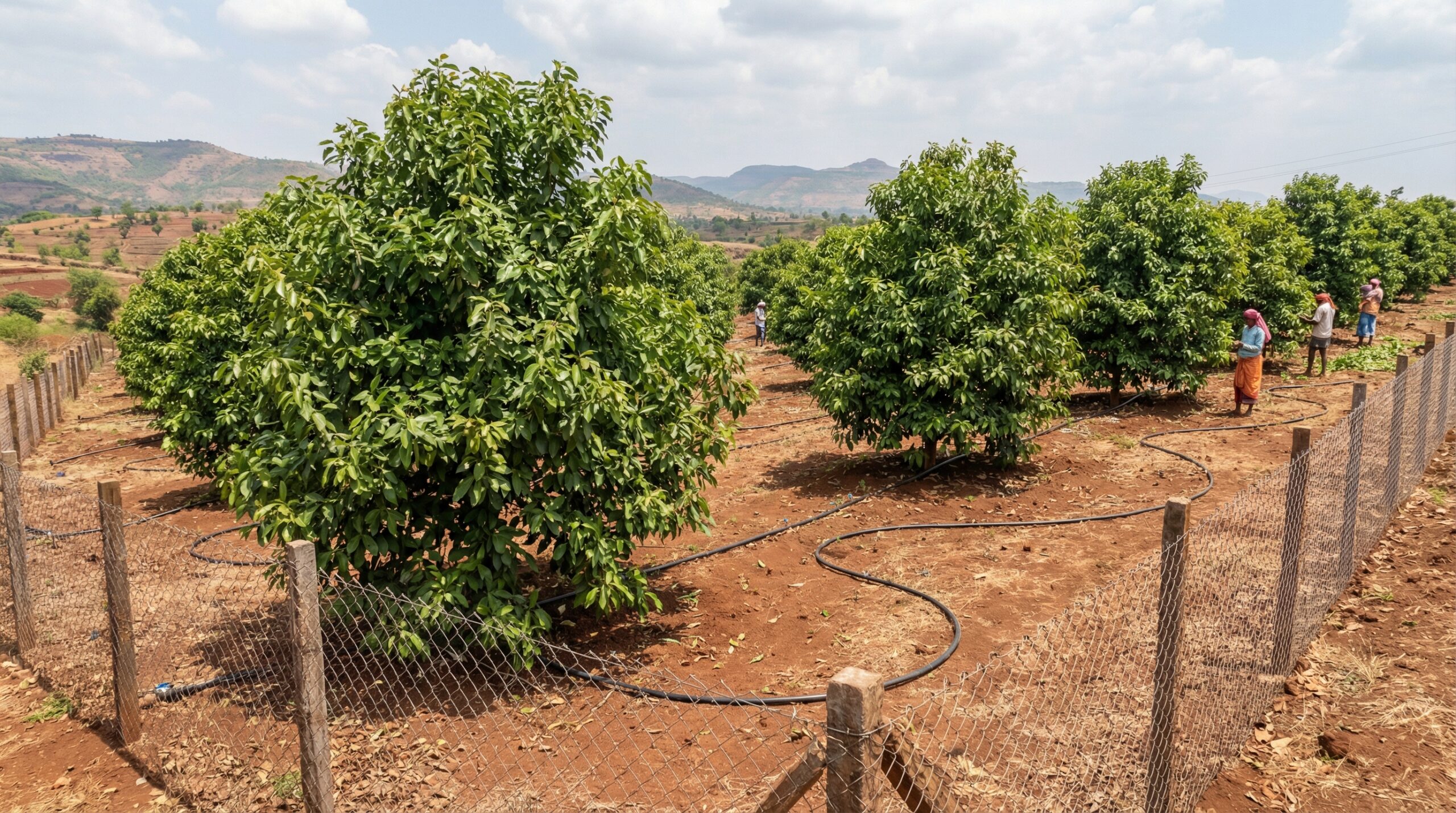
Farm Layout & Infrastructure
Value Potential
Explore Other Plantations
Visit Our FarmLands
Experience the farms personally and understand the managed plantation model firsthand.
Frequently Asked Questions
Indian bay leaf trees start yielding leaves after 2–3 years of planting. Once mature, they provide continuous harvesting for many years with proper care and maintenance.
Typically, 400 to 600 bay leaf plants are grown per acre depending on spacing, plantation design, and management practices used for improving yield and tree health.
Professional farm management includes land preparation, sapling plantation, irrigation setup, pruning, nutrient management, pest control, and continuous monitoring for optimal growth.
A well-maintained bay leaf plantation can produce regular leaf harvests annually after maturity, with yield depending on tree age, pruning practices, and overall farm management.
Yes. Visitors and investors can schedule farm visits to understand bay leaf cultivation, plantation systems, harvesting methods, and experience commercial spice farming operations.