Agarwood Farm

The Black Gold of Aromatic Woods
High Value Plantation Global Demand Crop Managed Agro Investment
BOTANICAL NAME
Aquilaria Malaccensis
HARVEST CYCLE
6 – 8 Years
SUITABLE CLIMATE
Tropical Humid
MARKET VALUE
High Export Demand
PLANTATION DENSITY
250 – 400 Trees/Acre

About Agarwood

Agarwood is one of the most valuable aromatic woods in the world. It forms a natural fragrant resin inside Aquilaria trees and is widely used in perfumes, incense, and traditional medicine. Resin formation begins after artificial inoculation, and harvesting can start from year 6 onwards, making it a lucrative long-term asset.
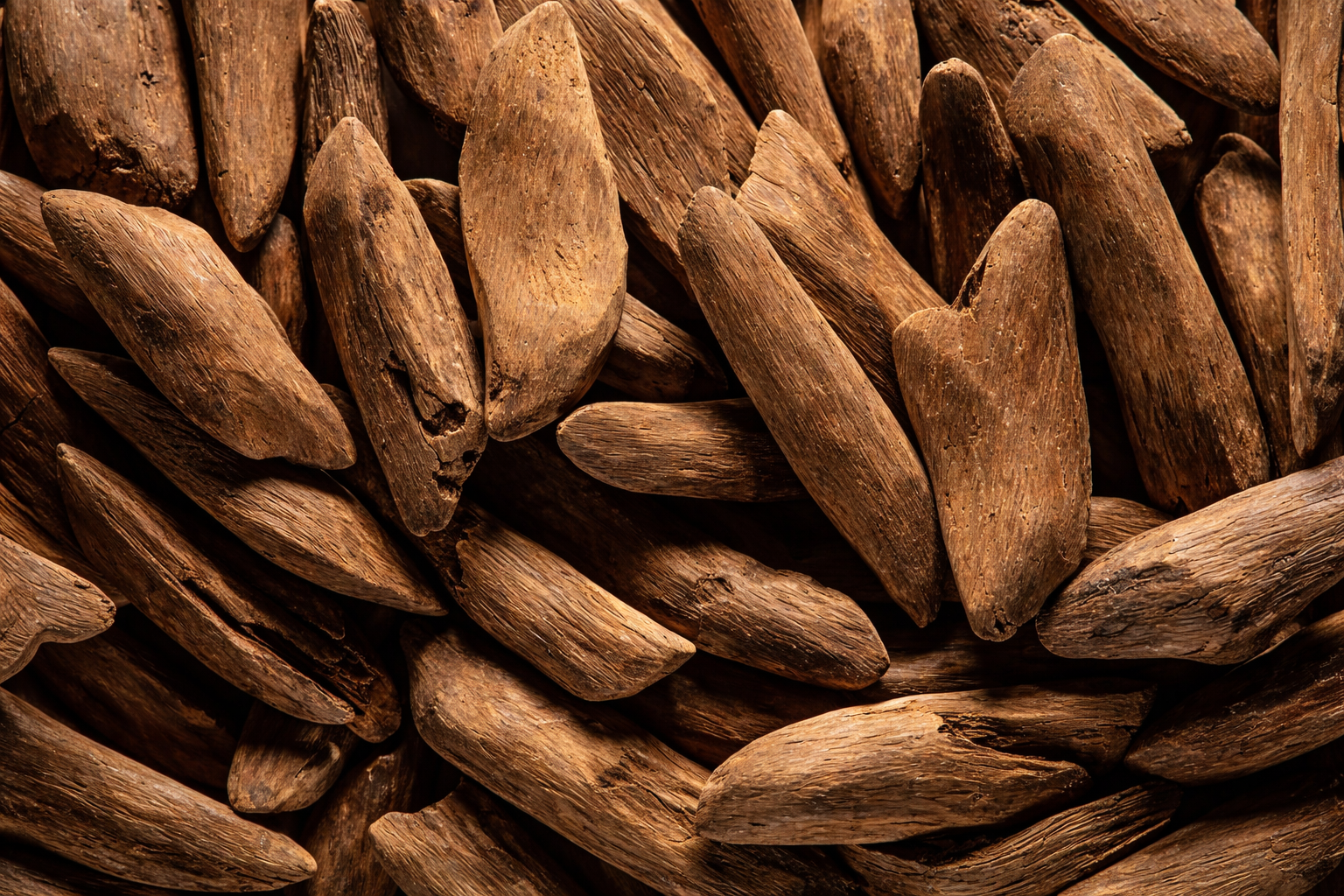
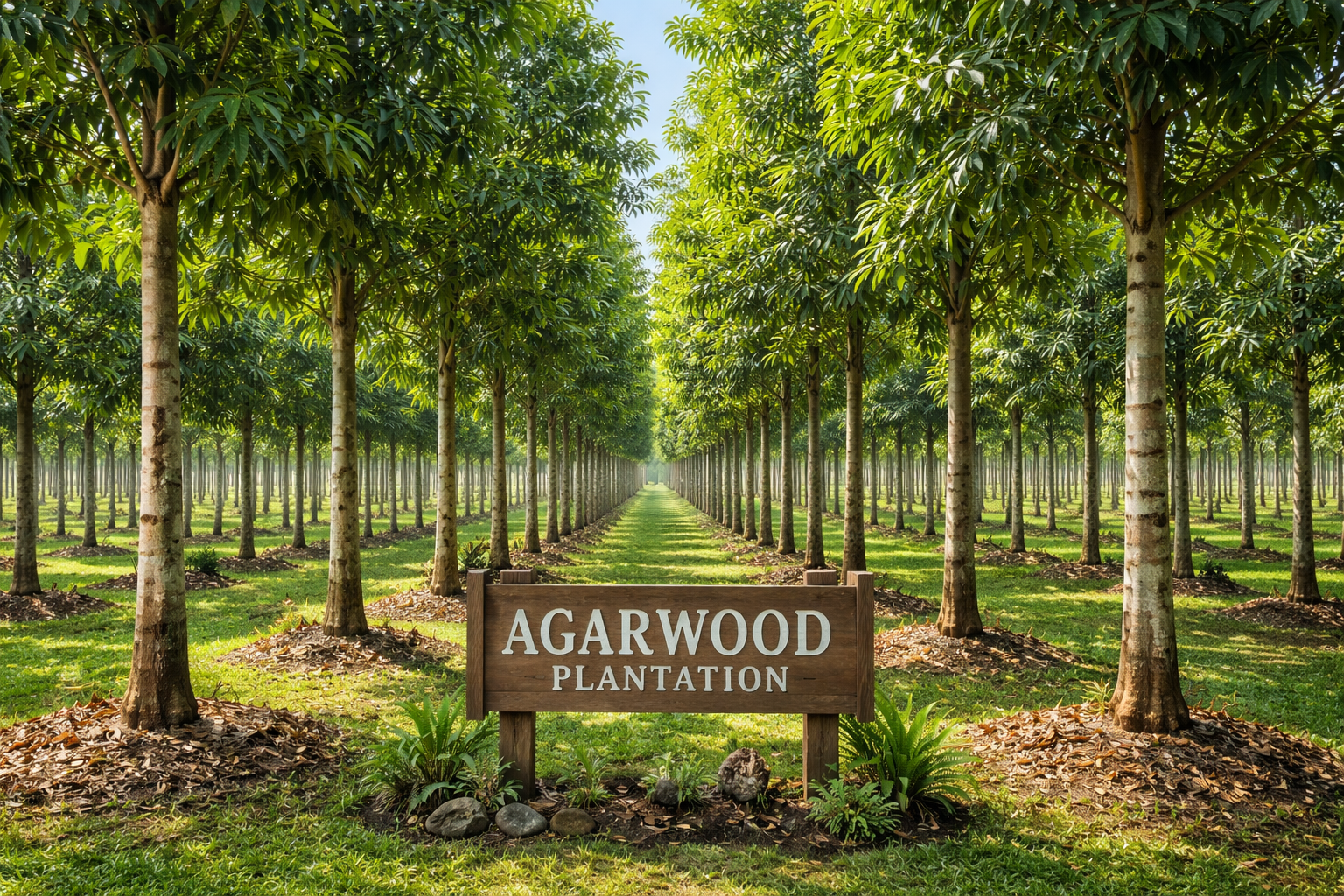
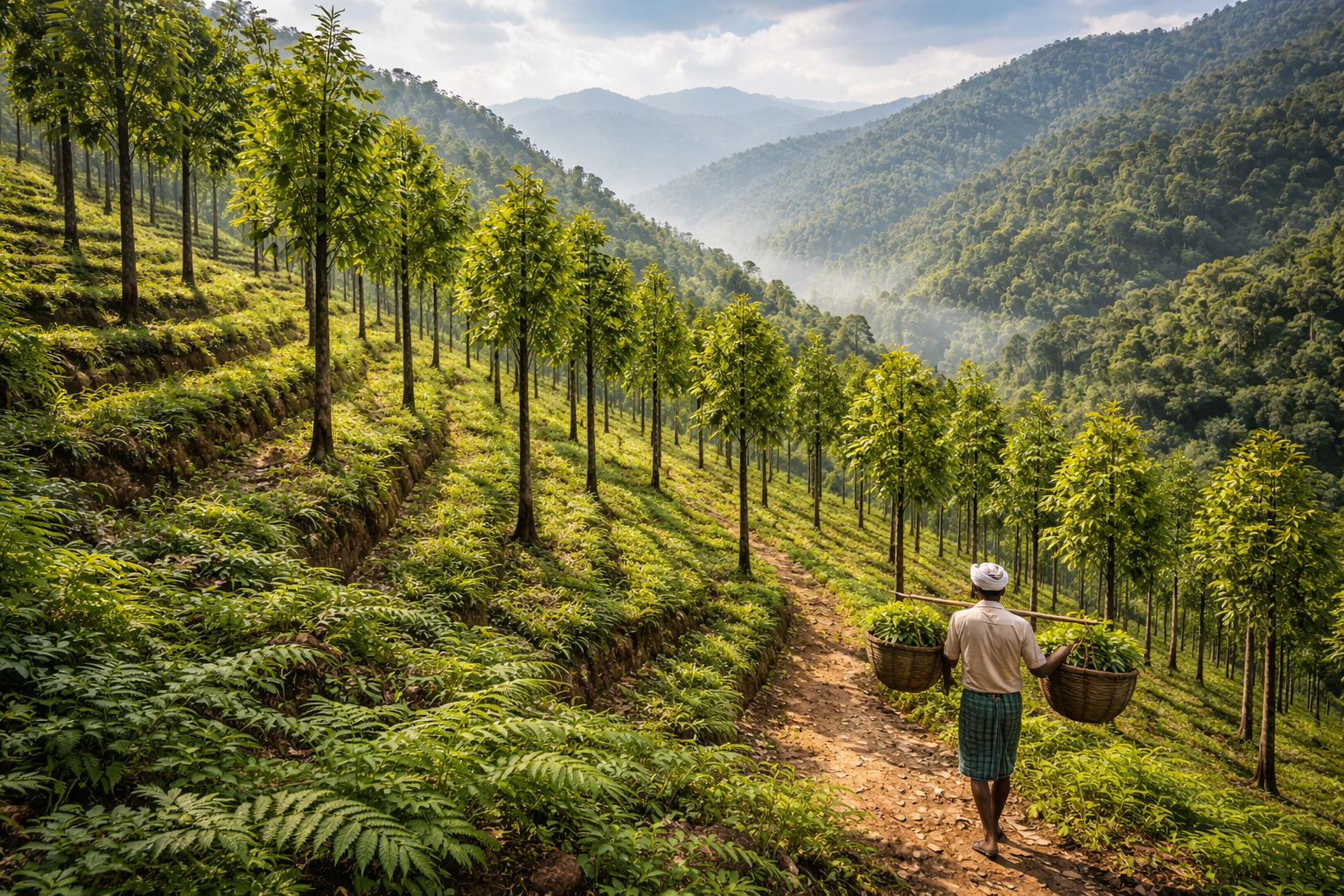
Agarwood Plantation

Healthy 3-year Aquilaria trees in managed plantation.
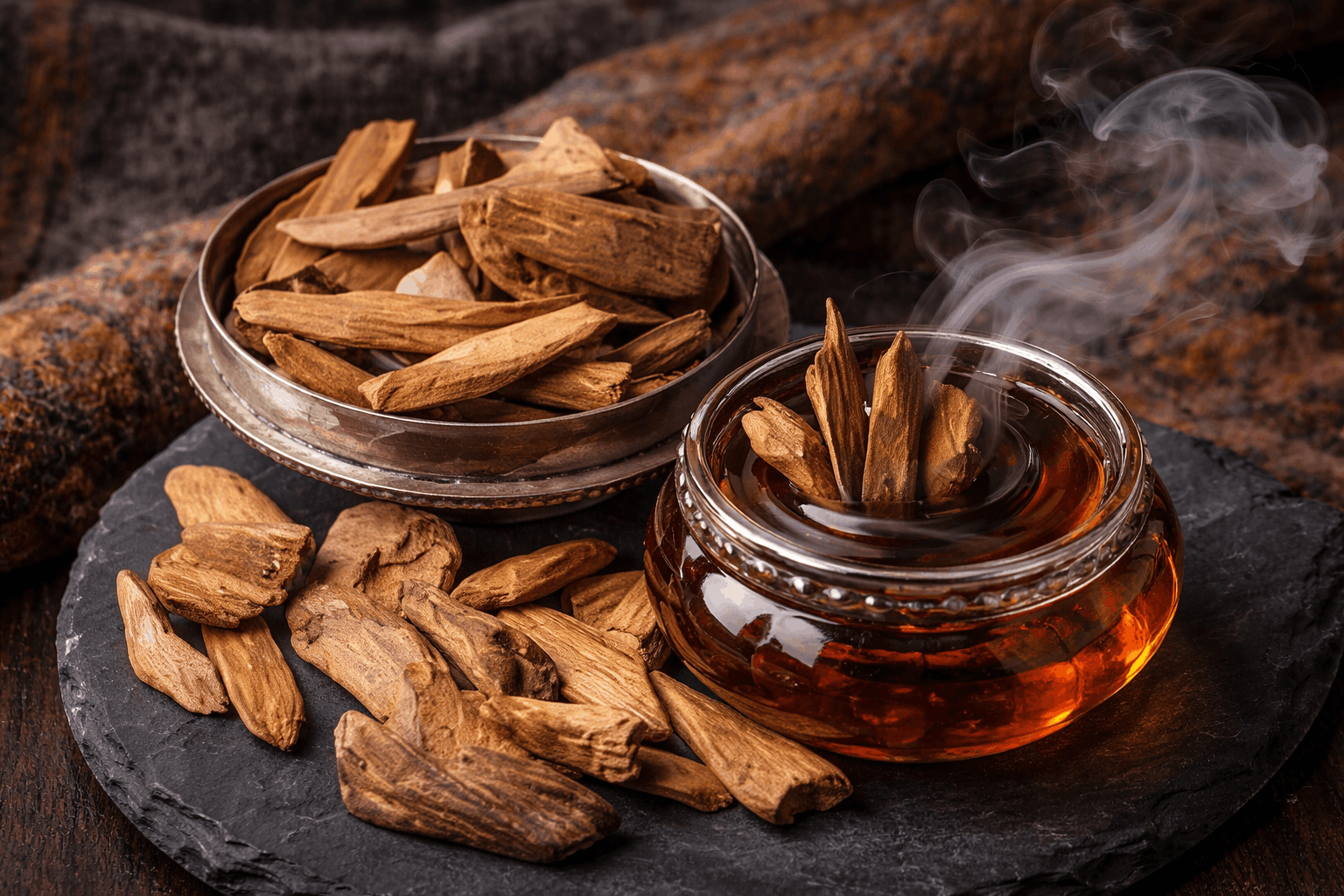
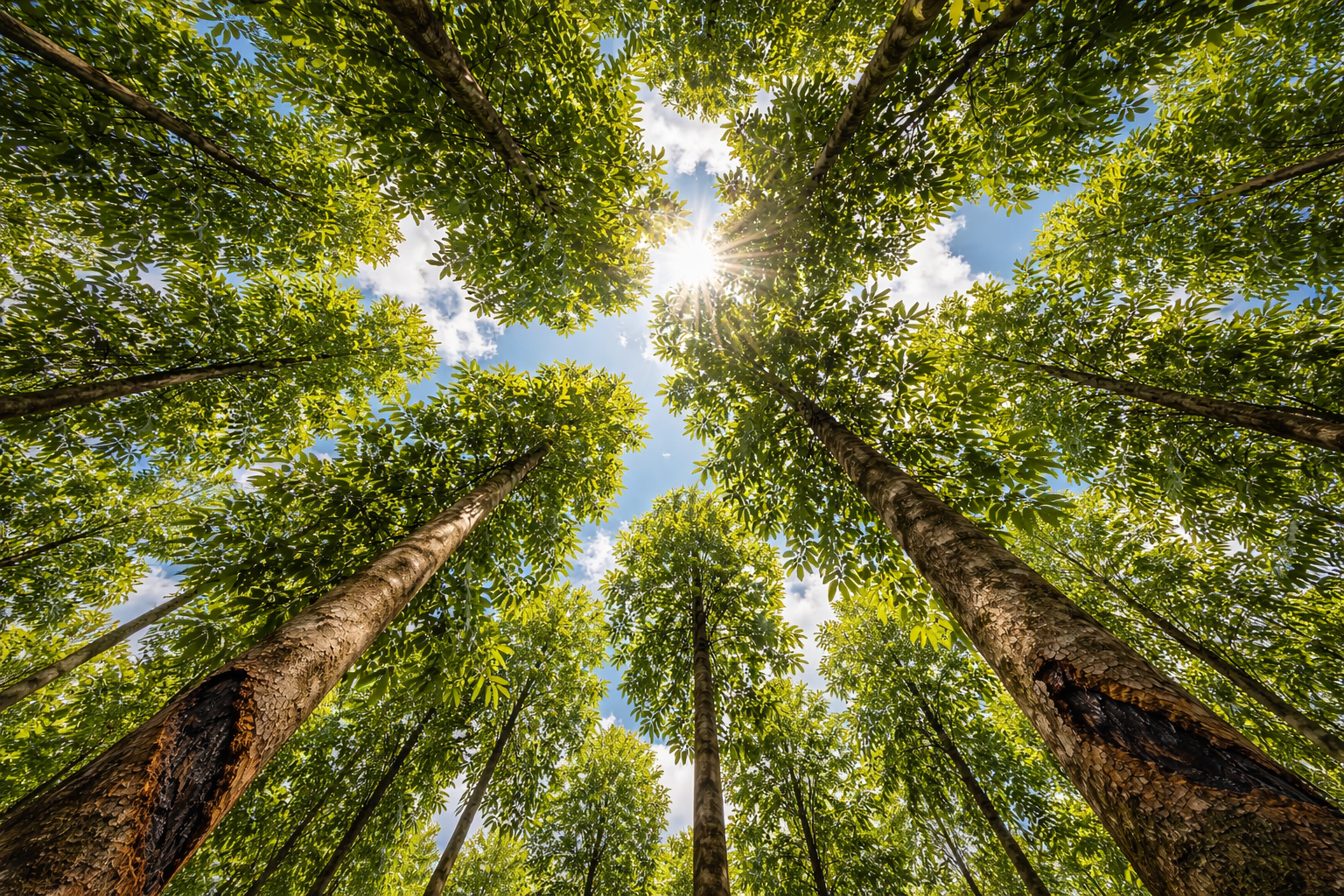
Resin Formation

Rich resin formation after scientific inoculation process.
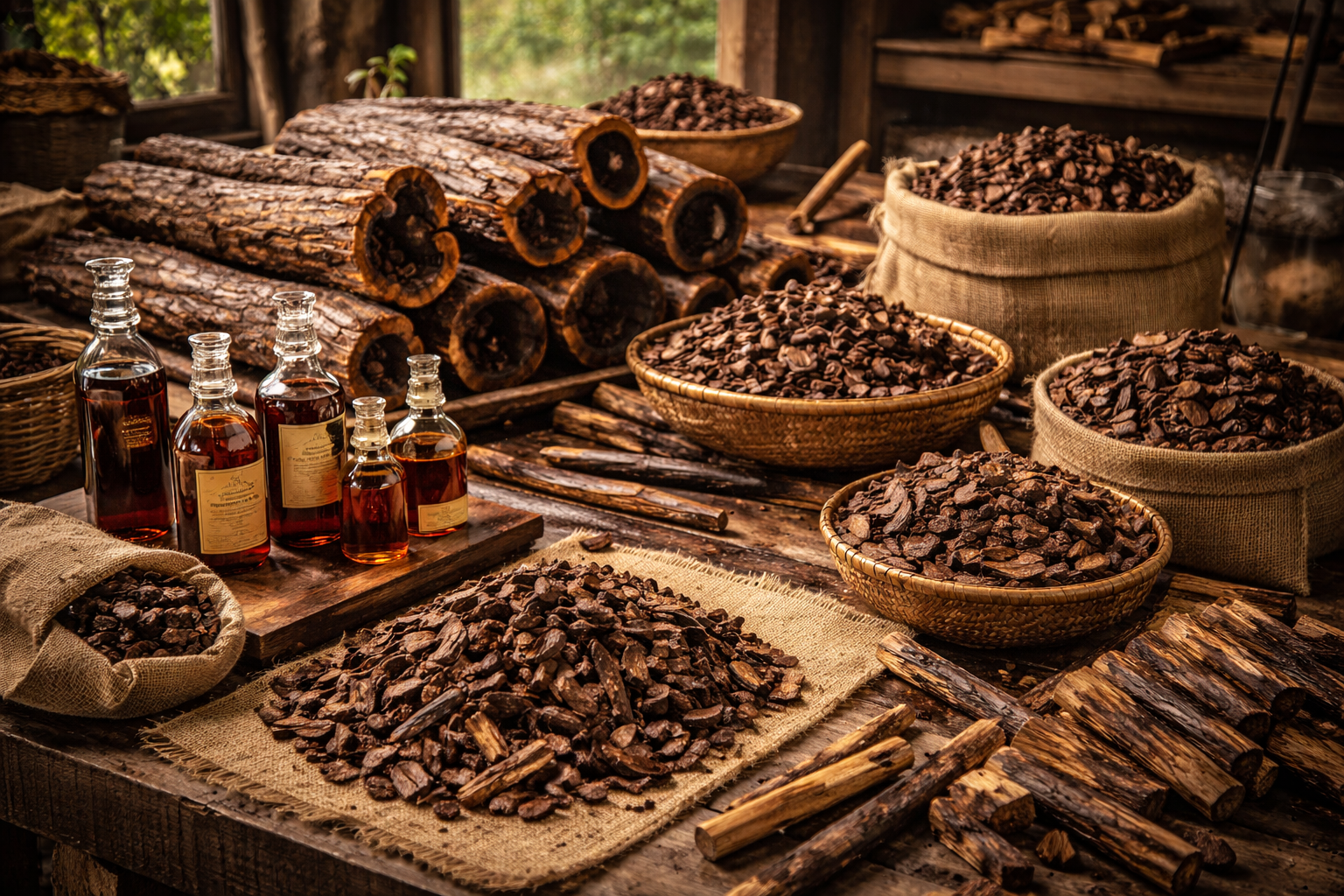
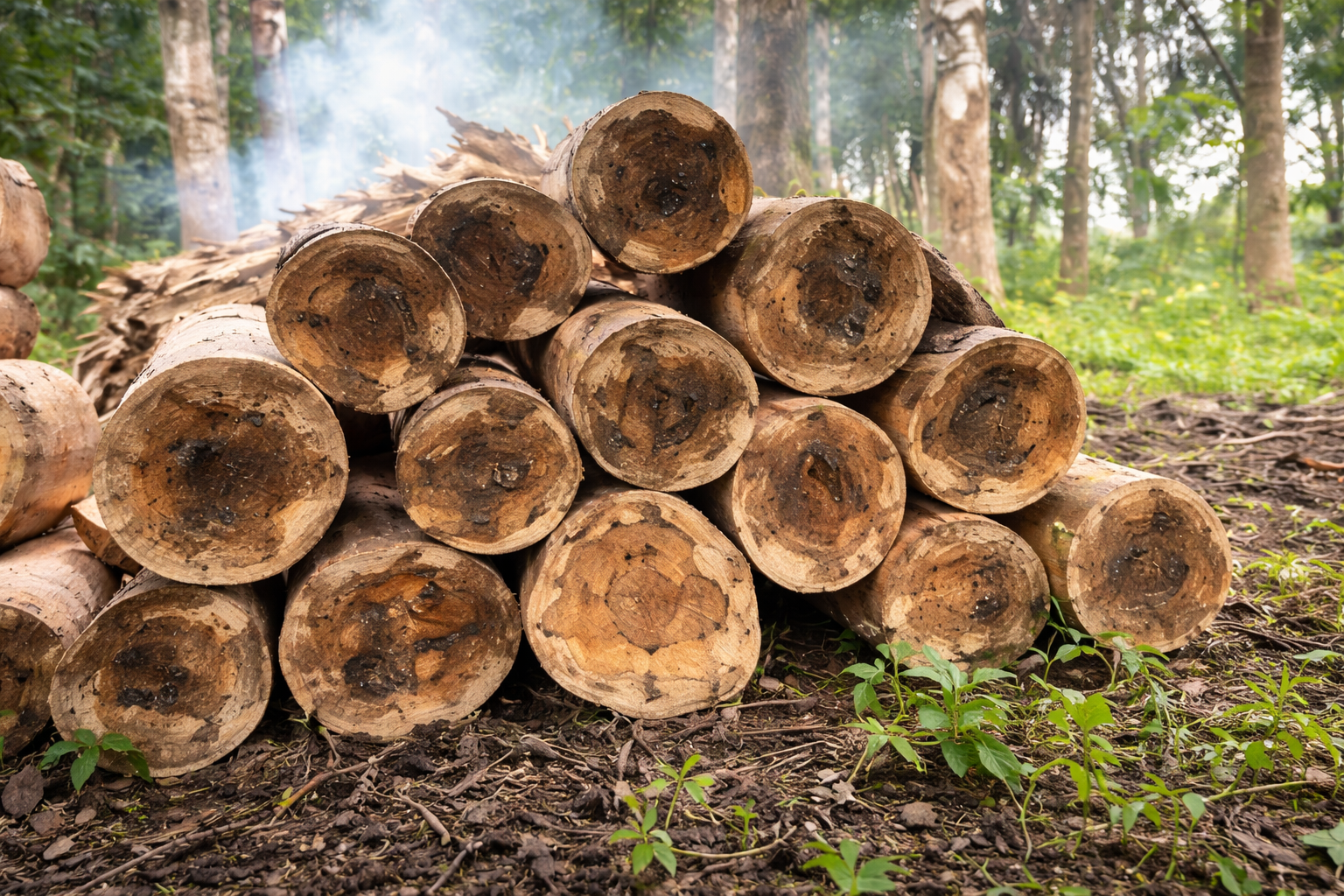
Processing

Precision harvesting and premium wood processing.

Agarwood Requirements

Sundarban Agarwood Farms Requirements

Scientific planning and specific conditions are required for optimal growth and resin production.

1. Climate Requirements

Temperature: Ideal range is 20°C to 35°C. Sensitive to frost; below 5°C damages young plants.

Rainfall: Annual rainfall 1,500 mm to 3,500 mm.

Altitude: Best suited for 100 meters to 1,200 meters above sea level.

Humidity: High humidity (70–90%) promotes resin formation.

2. Soil Requirements

Type: Well-drained loamy or sandy-loam soils.

pH Level: Optimum between 5.5 to 6.5.

Soil Depth: Minimum depth 1–1.5 meters.

Fertility: High organic matter essential.

3. Land Preparation

Clearing: Remove weeds, shrubs, rocks and debris.

Ploughing: Deep ploughing improves aeration.

Pit Preparation: 60cm × 60cm × 60cm pits with compost.

4. Plantation & Spacing

Spacing: 3m × 3m or 4m × 4m.

Season: Beginning of monsoon.

Selection: Healthy disease-free seedlings.

5. Water Management

Young Trees: Water twice weekly during dry months.

Mature Trees: Irrigate during dry periods.

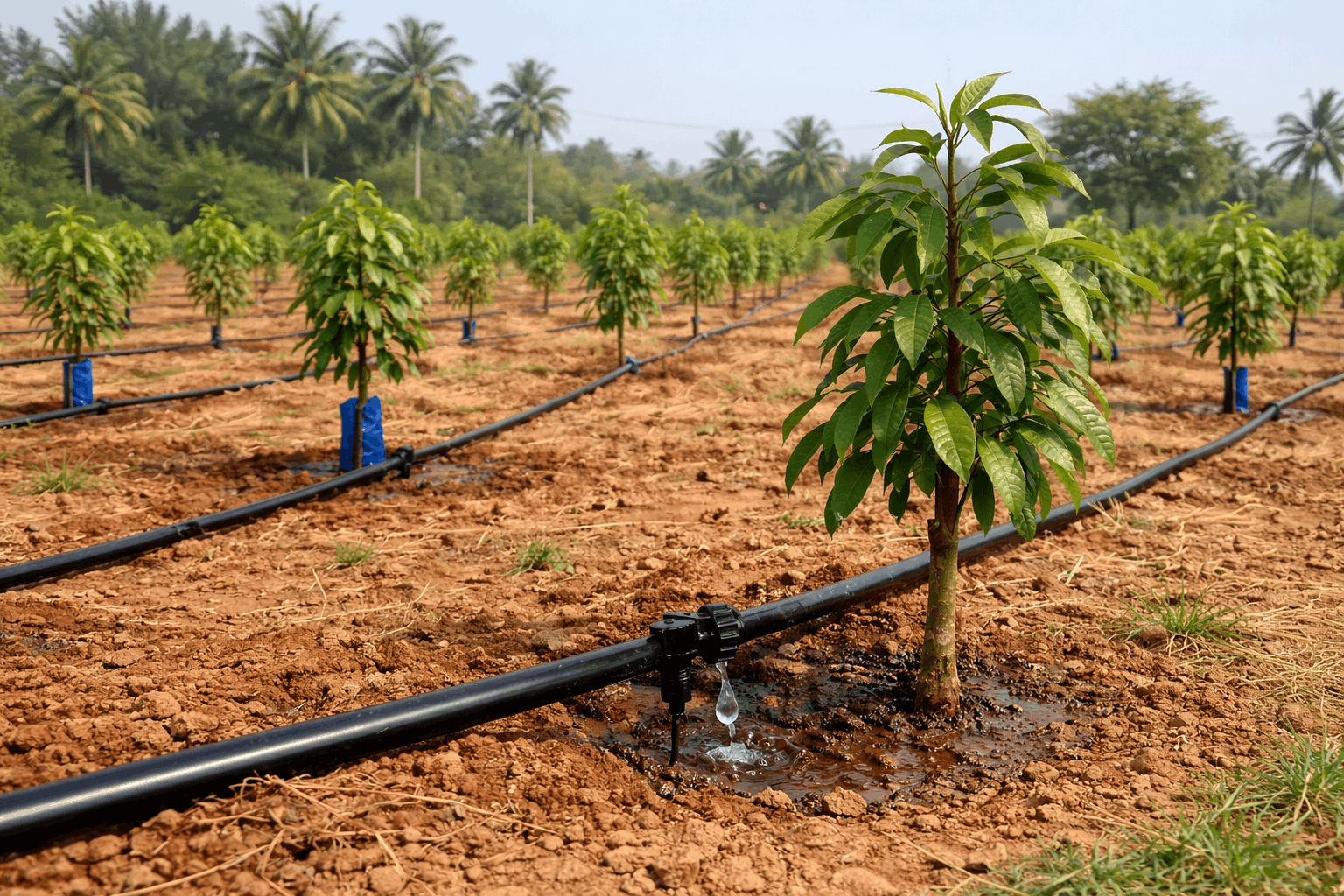
Drip Irrigation: Recommended for commercial farming.

6. Nutrient Management

Fertilization: Apply NPK fertilizers in split doses.

Organic Manures: Neem cake, vermicompost, cow dung.

Foliar Sprays: Zinc and boron micronutrients.

7. Pruning & Canopy

Initial Training: Develop a single strong trunk.

Annual Pruning: Remove weak and diseased branches.

8. Pest & Disease

Pests: Leaf borers, stem borers, aphids.

Diseases: Root rot and fungal infections.

Control: Neem oil and biofungicides.

9. Harvesting & Post Harvest

First Harvest: 6–8 years after planting.

Yield: ~1kg agarwood per mature tree.

Drying: Air dried under shade.

Storage: Store airtight in cool dry place.

Plantation Development Process

1

Land Preparation

Clearing, leveling, and fencing the Konkan soil.

2

Pit Digging & Soil

Testing and conditioning for optimal Aquilaria growth.

3

Plantation & Spacing

Scientific spacing of 250-400 saplings per acre.

4

Irrigation Setup

Installation of water-efficient drip systems.

5

Crop Management

Inoculation and ongoing organic fertilization.

6

Harvest & Processing

Extracting the resinous wood for global export.

Plantation Gallery

Plantation Gallery

Farm Layout & Infrastructure

Farm Layout
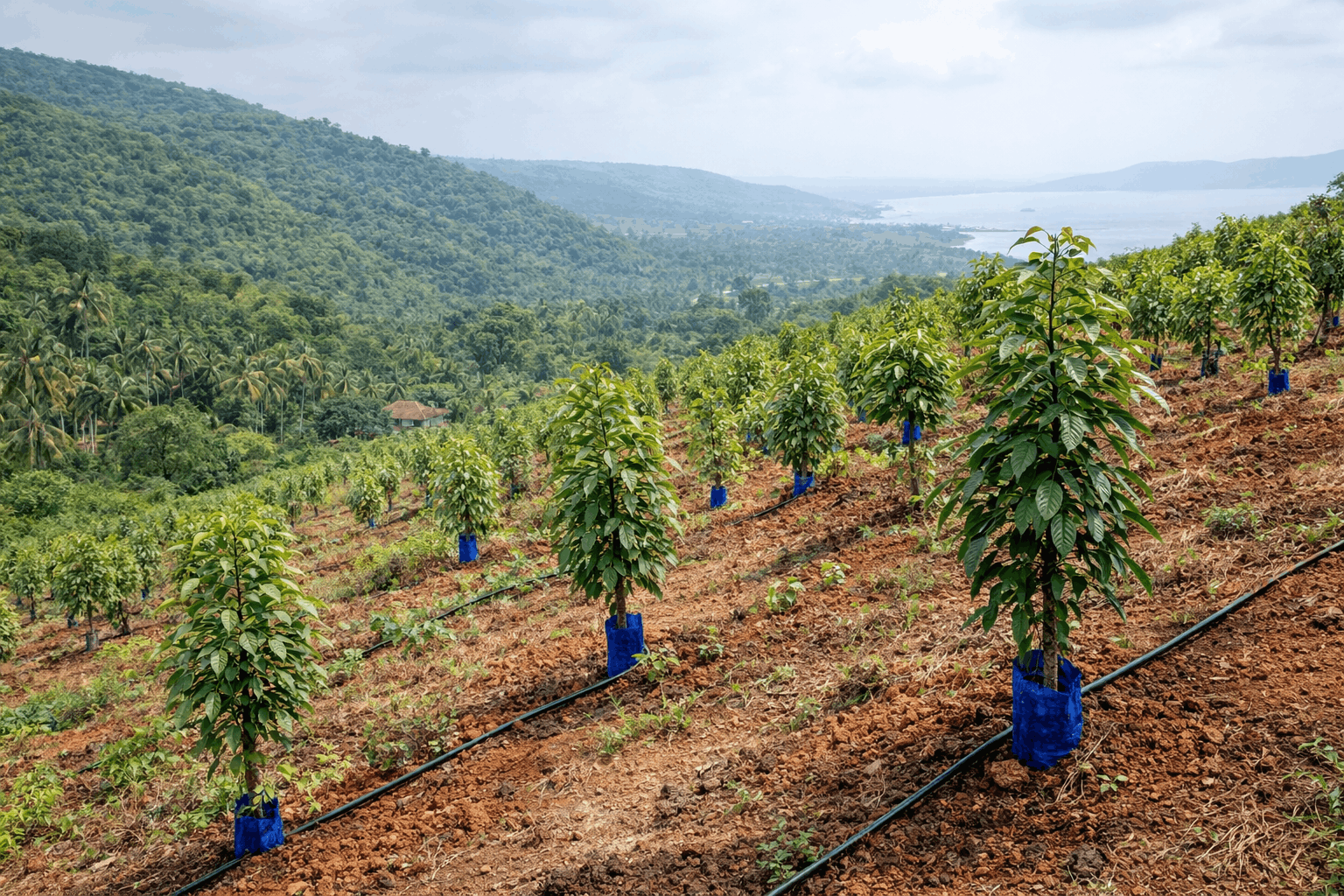
A scientifically planned plantation layout ensures proper tree spacing, healthy growth, and efficient land use. Drip irrigation delivers water directly to roots, minimizing wastage and supporting consistent development. Well-designed access roads allow smooth farm operations, easy maintenance, and efficient harvesting.

Value Potential

Trees per Acre
250 – 400
Harvest Period
6 – 8 Years
Global Market
Perfume & incense industry
High Value Crop
Premium aromatic wood
Investment ROI Potential
₹80L – ₹1.5Cr / Acre
Estimated long-term value from agarwood resin, chips and oil extraction depending on tree maturity, inoculation success and global market demand.
Visit Our FarmLands

Experience the farms personally and understand the managed plantation model firsthand.

Frequently Asked Questions

What is the plantation cycle?
The average cycle for Agarwood is 6 to 8 years before the resinous wood is ready for harvest.
How many trees per acre?
We scientifically space between 250 to 400 trees per acre for optimal growth and root expansion.
Who manages the farm?
Sundarban Agro Farms provides end-to-end professional management via our expert agricultural team.
What is the expected yield?
Yields depend on the resin formation post-inoculation, but Agarwood commands premium export pricing globally.
Can investors visit the farm?
Absolutely. We encourage all investors to book a site visit and experience the plantation infrastructure in person.

Let’s Build Your Farm Investment

Contact Us
First
Last