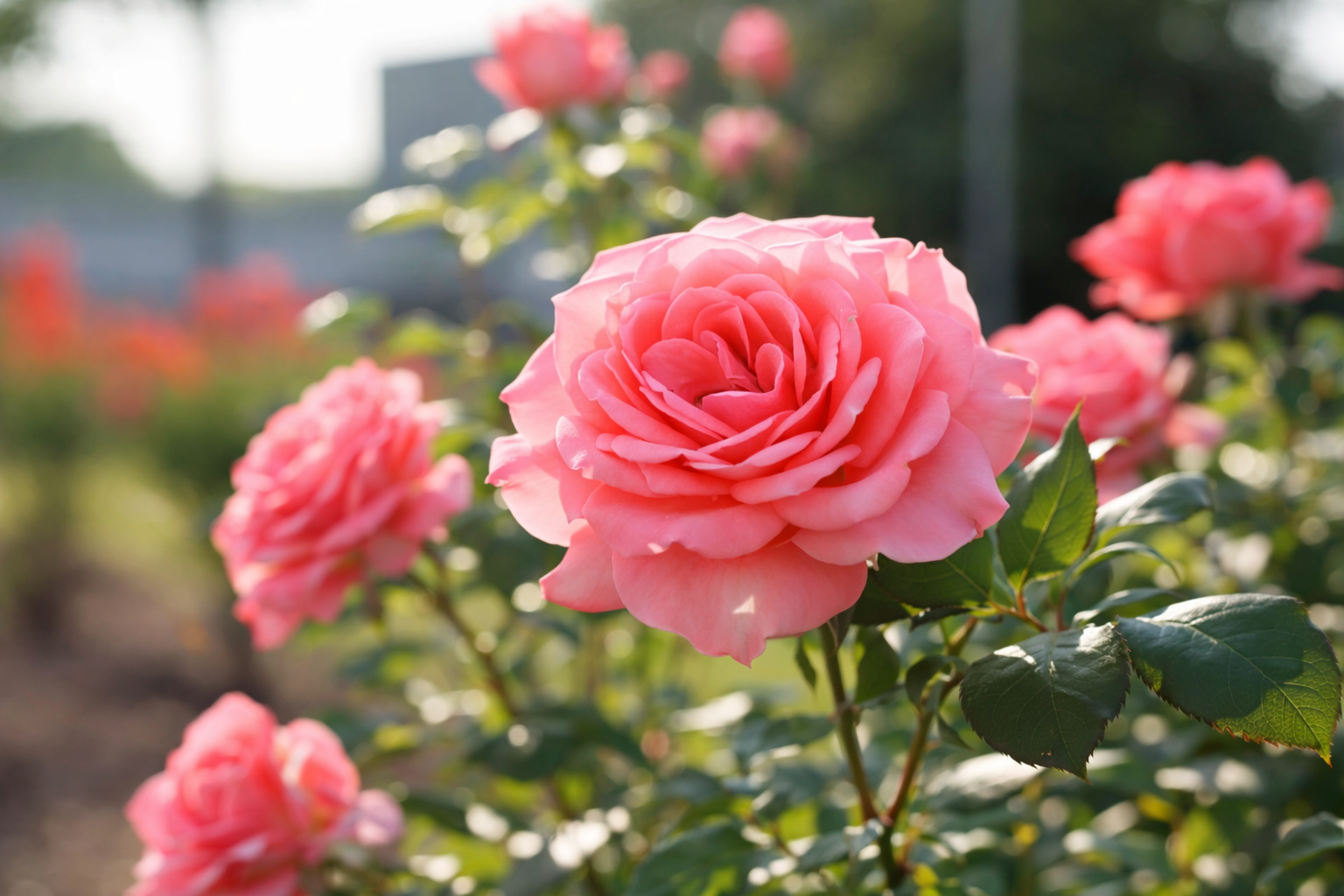
Safed Musli Plantation
About Safed Musli
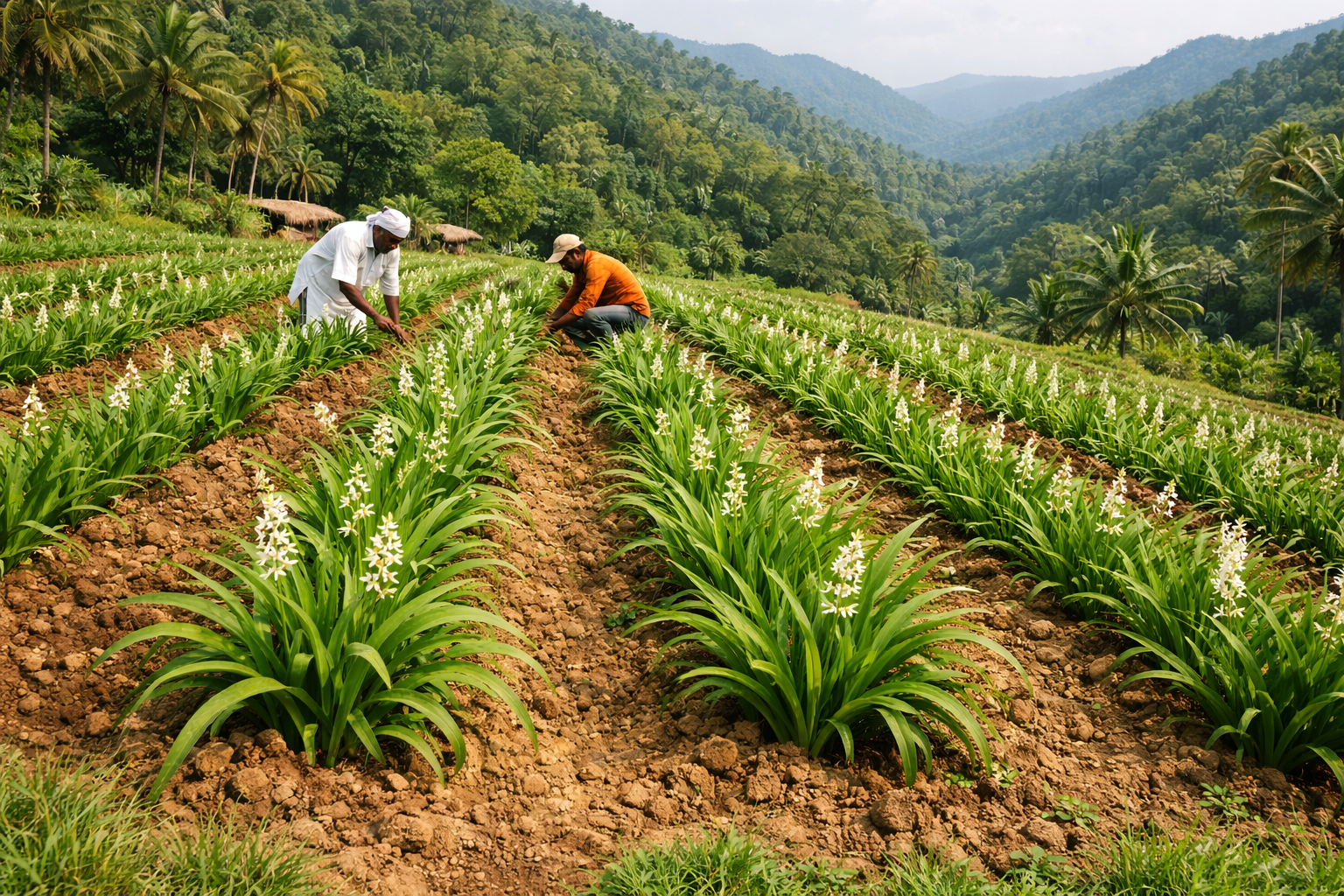
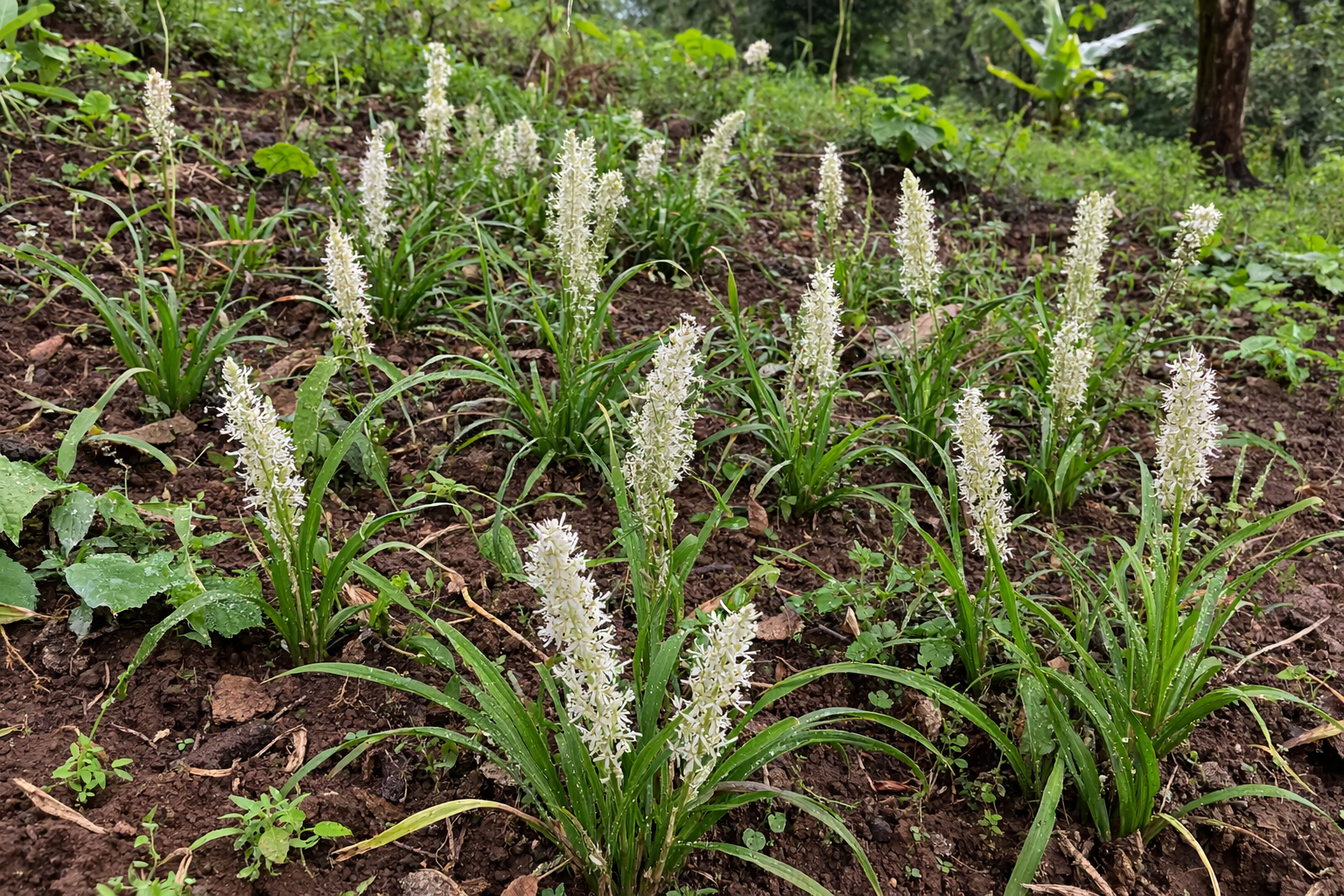
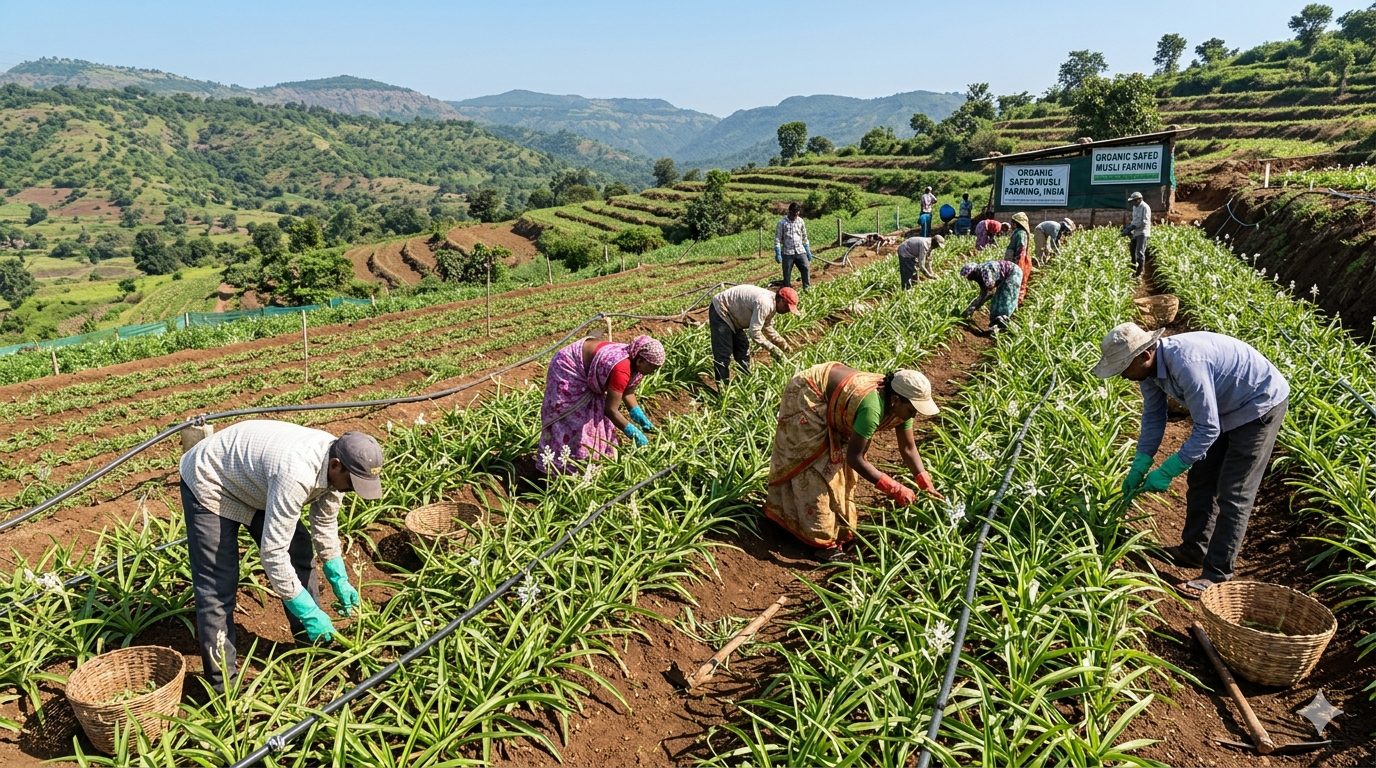
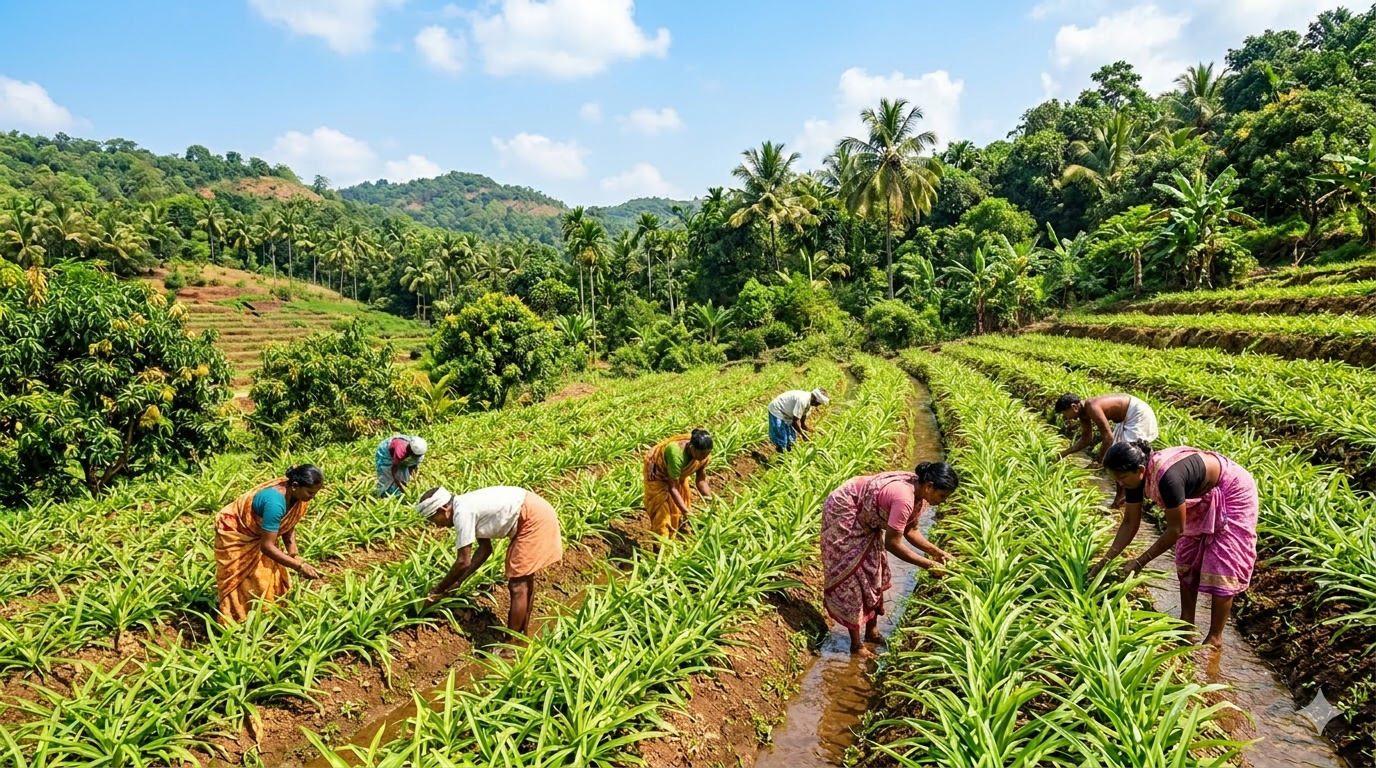
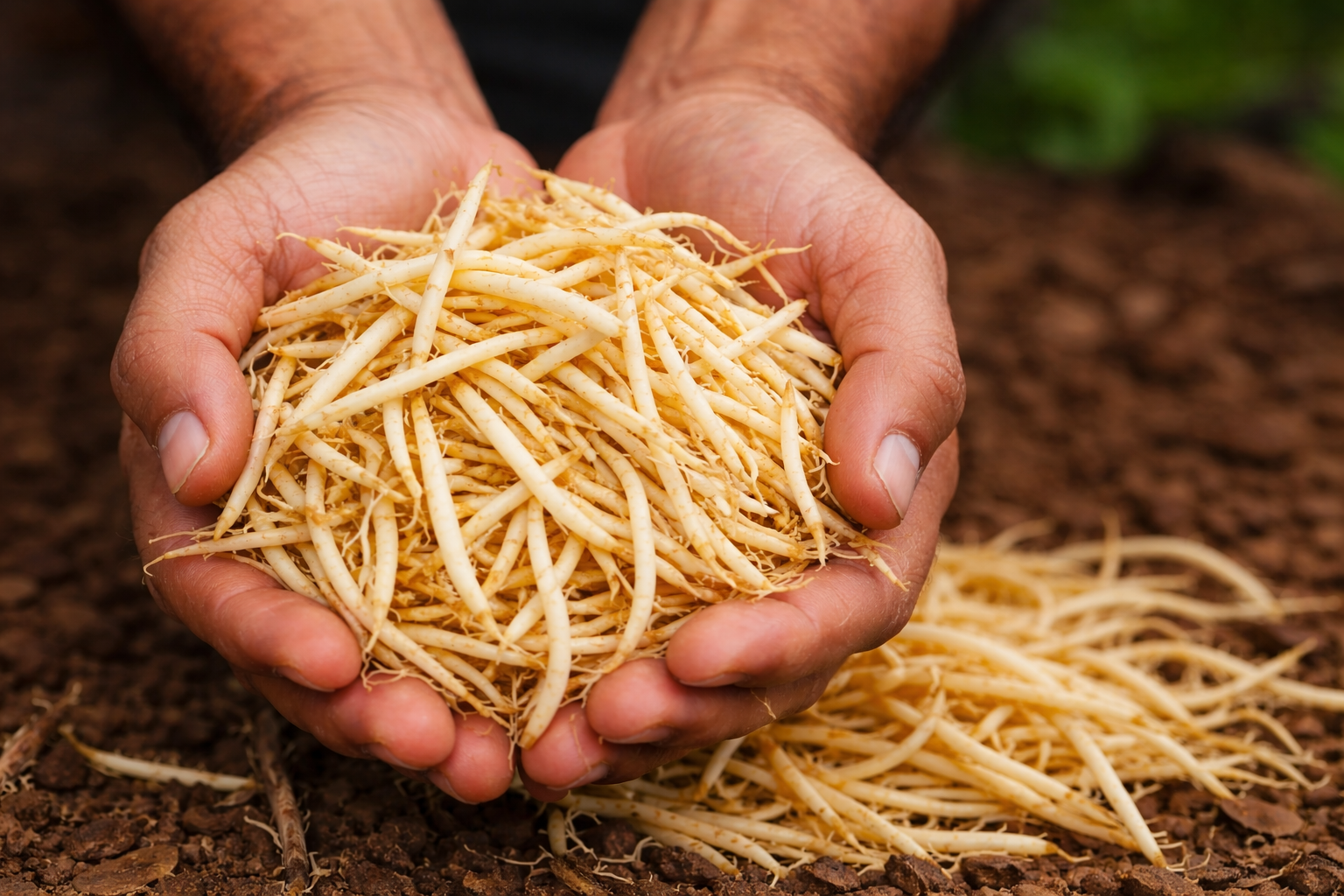
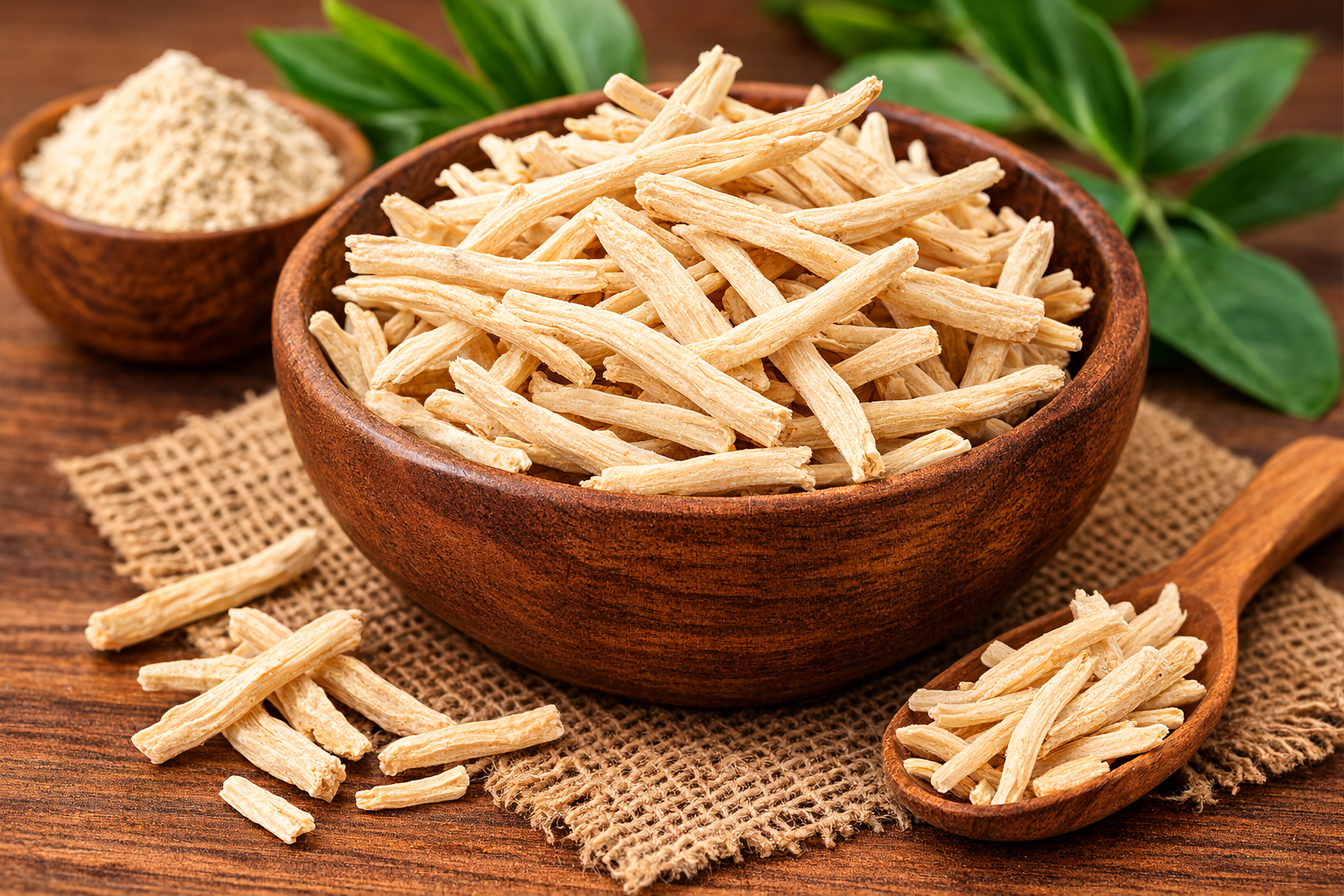
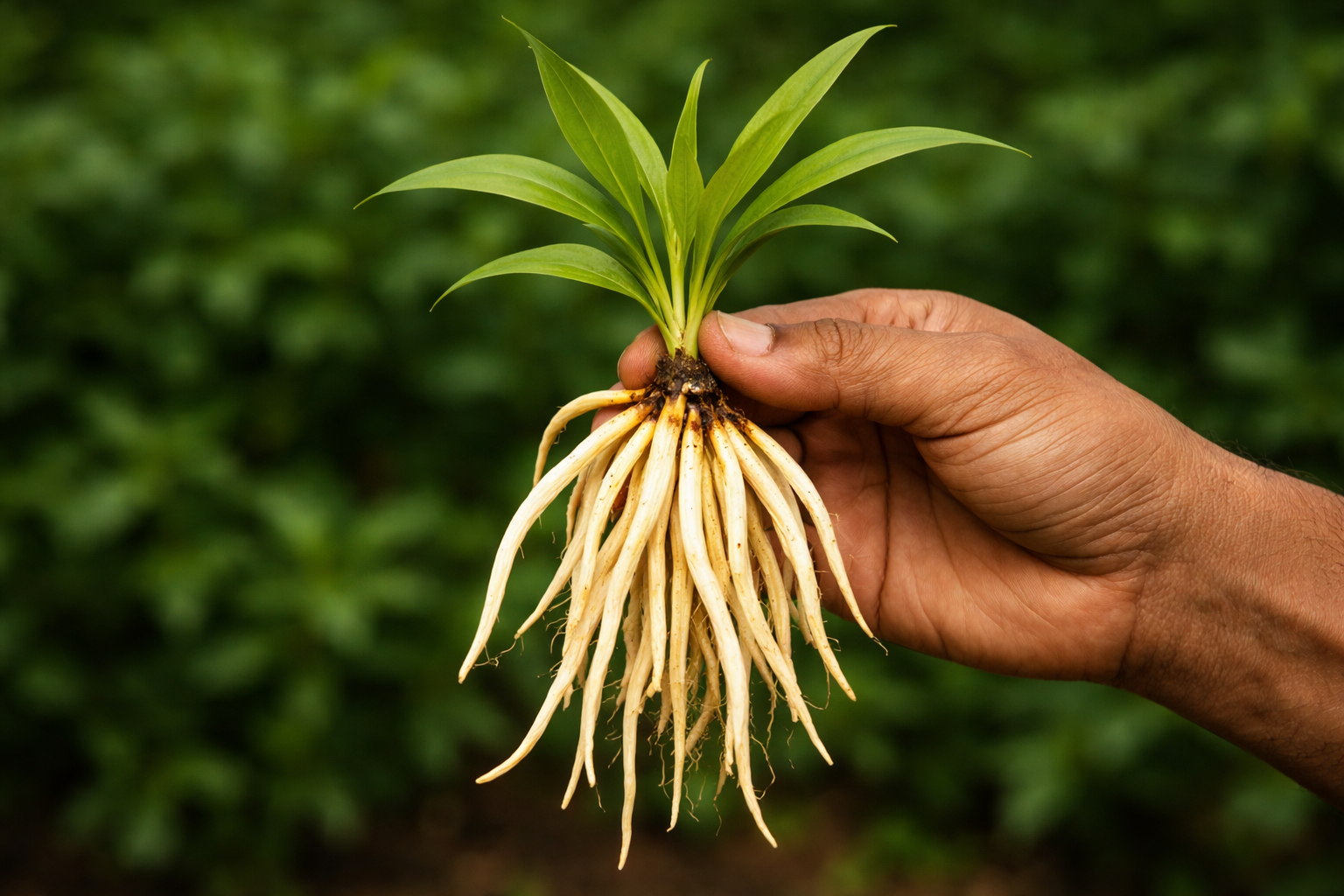
Safed Musli is one of the most valuable medicinal herbs in the Ayurvedic industry. It develops nutrient-rich tuberous roots in the soil and is widely used in herbal supplements, wellness formulations, and traditional medicine. Cultivation begins with high-quality planting material and careful soil management, and harvesting can start within 8–10 months. With growing global demand for natural health products, Safed Musli farming has become a profitable short-term agricultural investment.
Healthy bamboo clumps growing in well-managed plantation fields.
Rapid growth and strong culm formation within 3–4 years.
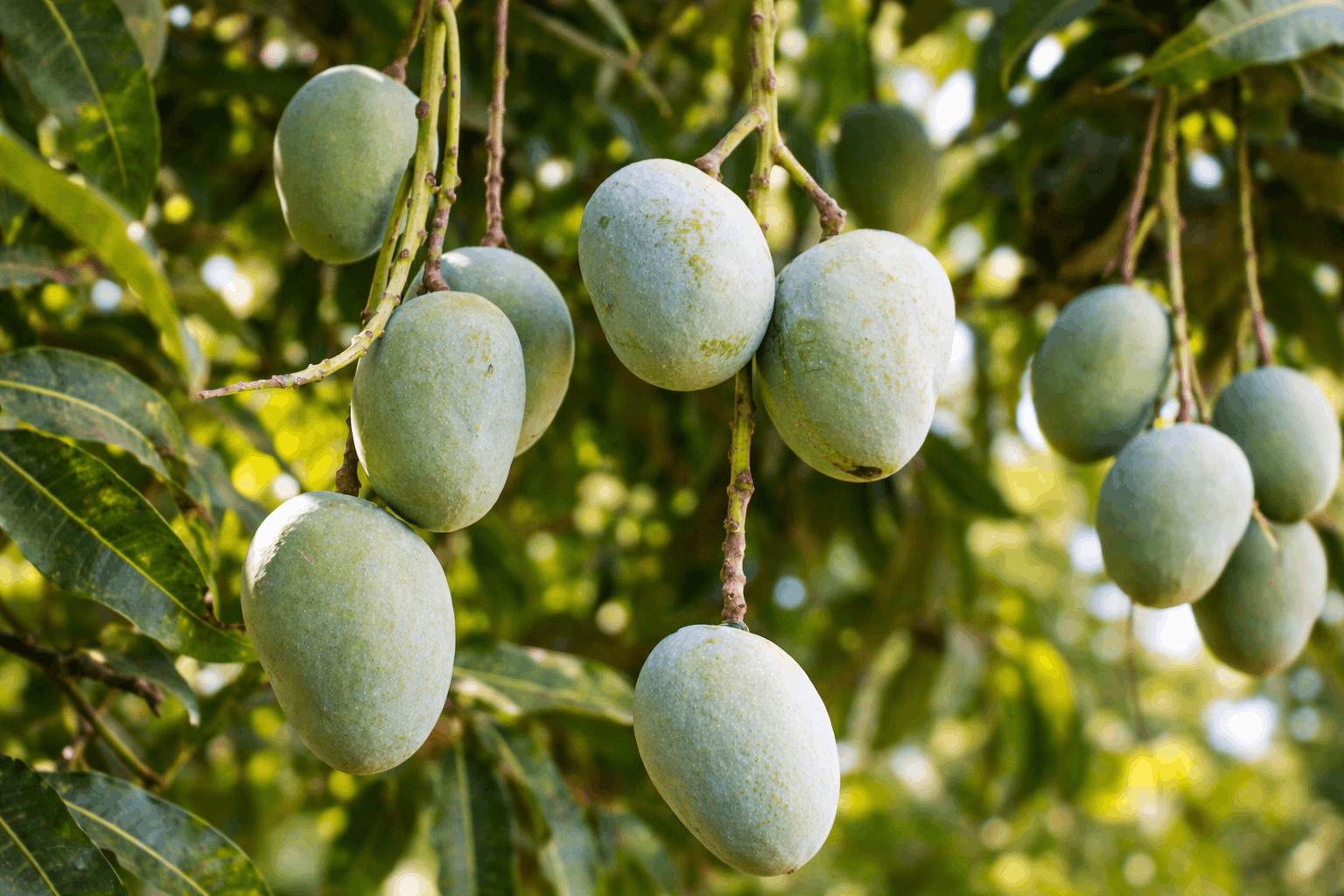
Harvested bamboo used for construction, furniture, and industrial products.
Sundarban Safed Musli Farm Requirements
Scientific cultivation practices and proper soil management are required for healthy root development and high medicinal yield.
1. Climate Requirements
Temperature: Ideal range is 25°C to 35°C. Sensitive to frost and extreme cold conditions.
Rainfall: Moderate rainfall of 600 mm to 1,200 mm annually. Excess water may damage roots.
Altitude: Best suited for plains and low hills up to 800 meters above sea level.
Humidity: Moderate humidity (50–70%) supports healthy plant growth.
2. Soil Requirements
Type: Well-drained sandy loam or loamy soils are ideal.
pH Level: Optimum range between 6.0 to 7.5.
Soil Depth: Minimum depth of 30–40 cm for root development.
Fertility: Rich organic matter improves tuber growth.
3. Land Preparation
Clearing: Remove weeds, stones, and plant residues before cultivation.
Ploughing: Deep ploughing improves soil aeration and drainage.
Pit Preparation: Raised beds improve drainage and root formation.
4. Plantation & Spacing
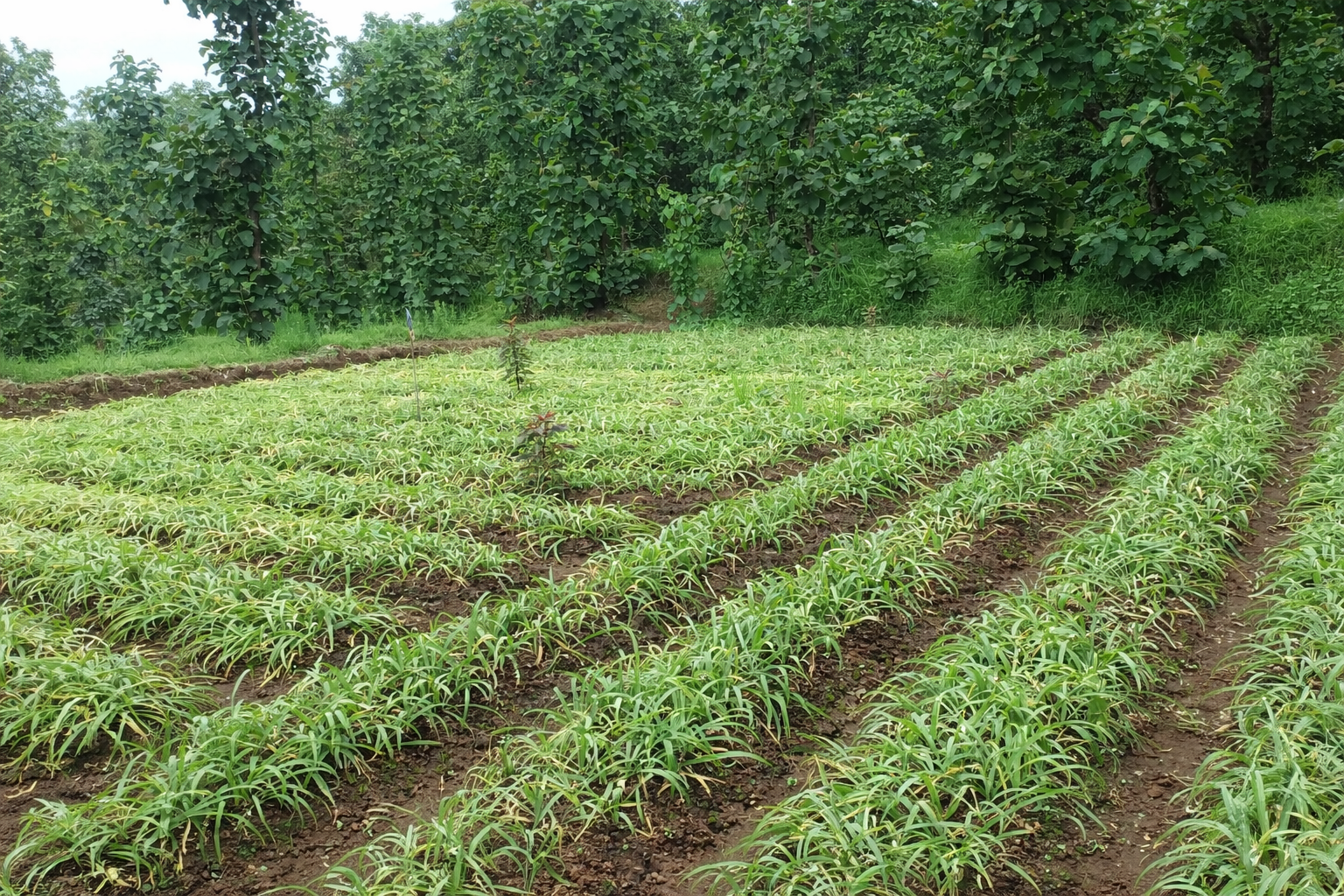
Spacing: 30 cm × 30 cm or 45 cm × 45 cm spacing recommended.
Season: Planting usually begins during early monsoon season.
Selection: Use healthy and disease-free root tubers for planting.
5. Water Management
Young Trees: Light irrigation once or twice weekly during dry periods.
Mature Trees: Maintain moderate soil moisture for root formation.
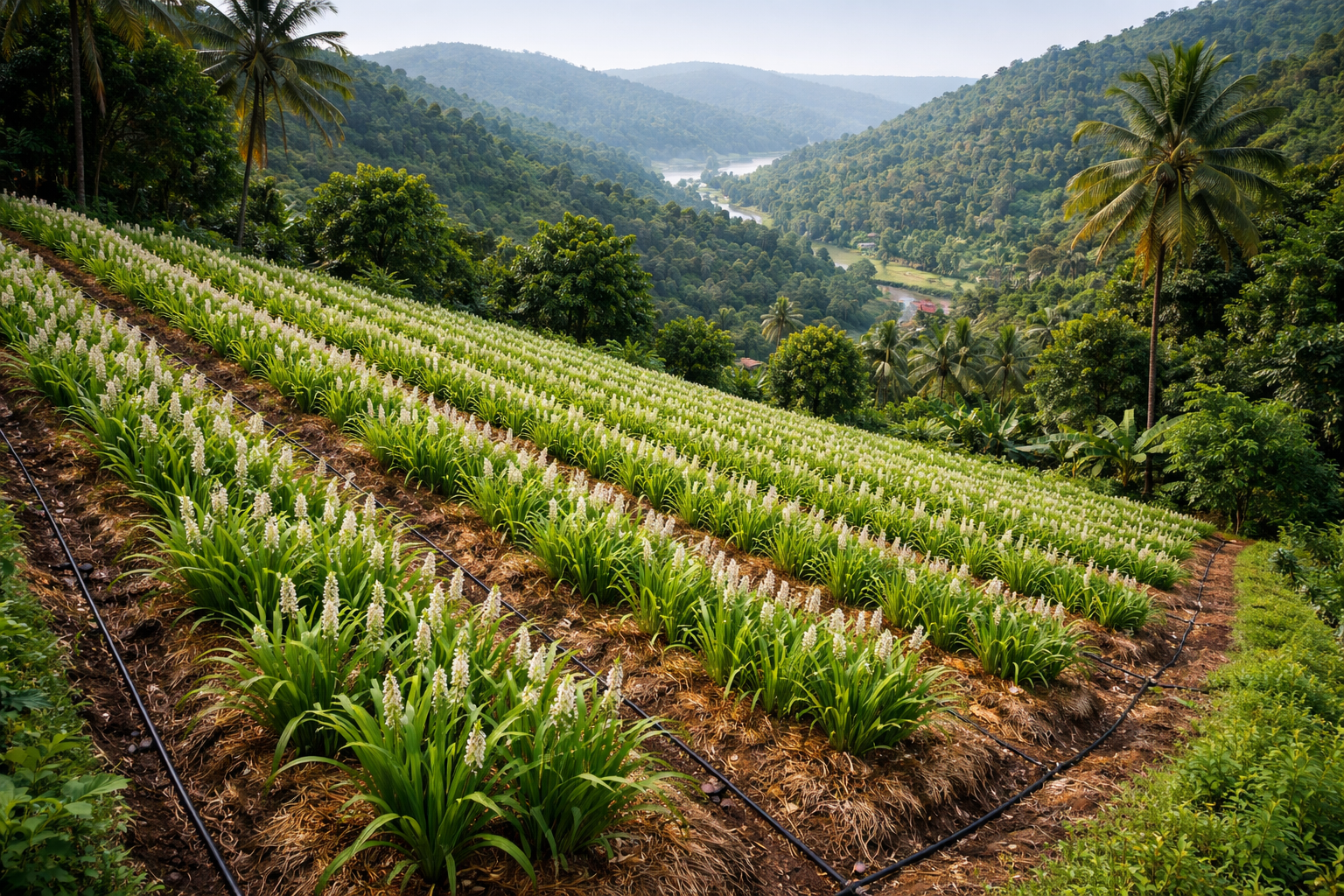
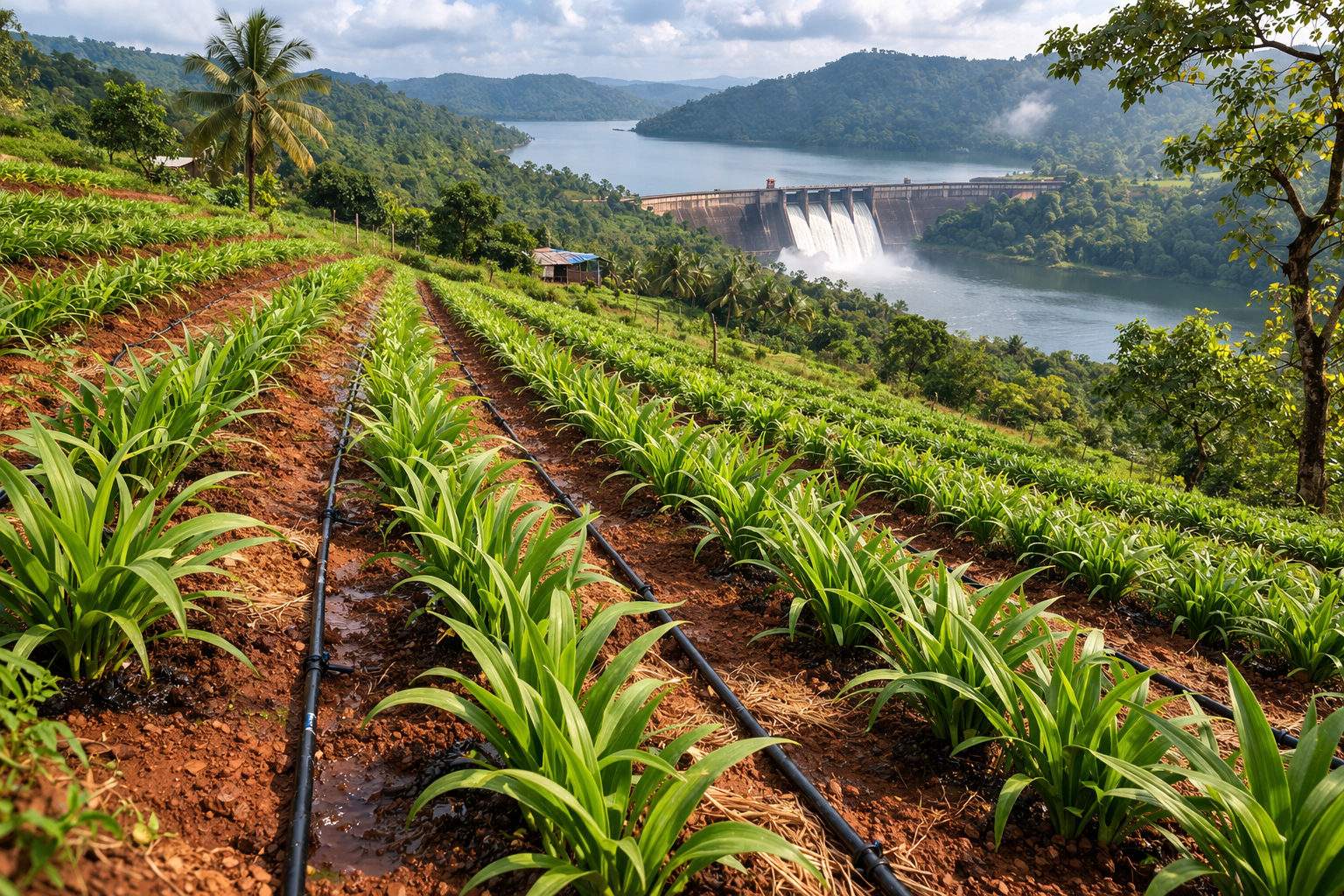
Drip Irrigation: Recommended for efficient water management.
6. Nutrient Management
Fertilization: Apply balanced NPK fertilizers during growth stages.
Organic Manures: Farmyard manure, compost, and vermicompost improve yield.
Foliar Sprays: Zinc and boron sprays enhance root development.
7. Crop Care
Weeding: Regular removal of weeds during early growth stages.
Mulching: Organic mulch helps retain soil moisture.
8. Pest & Disease
Pests: Termites, leaf-eating caterpillars, and aphids may affect plants.
Diseases: Root rot and fungal infections in poorly drained soil.
Control: Neem oil sprays and organic bio-control methods.
9. Harvesting & Post Harvest
First Harvest: Roots harvested after 8–10 months of cultivation.
Yield: High-quality roots with strong medicinal value.
Processing: Roots washed and shade-dried for processing.
Storage: Store in dry and ventilated conditions.
Plantation Development Process
Land Preparation
Clearing, leveling, and preparing loose soil beds.
Pit Digging & Soil
Soil testing and organic conditioning for healthy root growth.
Plantation & Spacing
Scientific spacing of 18,000–22,000 plants per acre.
Irrigation Setup
Installation of water-efficient drip irrigation systems.
Crop Management
Weeding, mulching, and regular organic fertilization.
Harvest & Processing
Harvesting mature roots and drying for medicinal use.
Plantation Gallery
Farm Layout & Infrastructure
Value Potential
Explore Other Plantations
Visit Our FarmLands
Experience the farms personally and understand the managed plantation model firsthand.