Black Ginger Plantation

The Rare Treasure of Herbal Agriculture
Premium Medicinal Crop Global Wellness Demand Managed Agro Investment
BOTANICAL NAME
Kaempferia Parviflora
HARVEST CYCLE
7 – 9 Months
SUITABLE CLIMATE
Tropical Humid
MARKET VALUE
High Medicinal Demand
PLANTATION DENSITY
20,000 – 30,000 Plants/Acre

About Black Ginger

Black Ginger is a rare medicinal herb known for its powerful bioactive compounds and high value in the global wellness industry. Scientifically known as Kaempferia parviflora, it is widely used in herbal supplements, traditional medicine, and functional foods. The rhizomes develop underground and are typically ready for harvest within 7–9 months, making it a fast-growing medicinal crop with strong commercial potential.
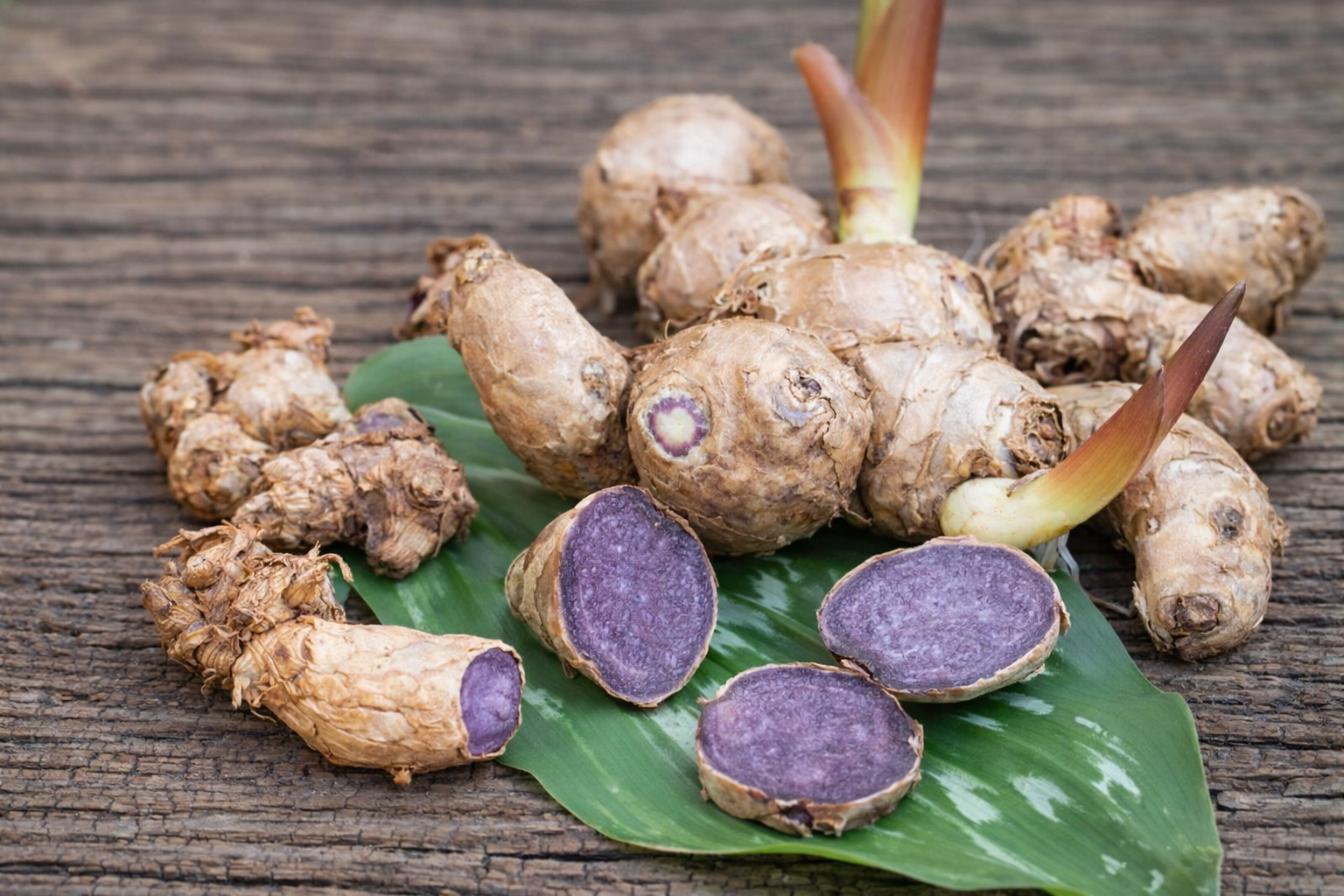
Agarwood Plantation

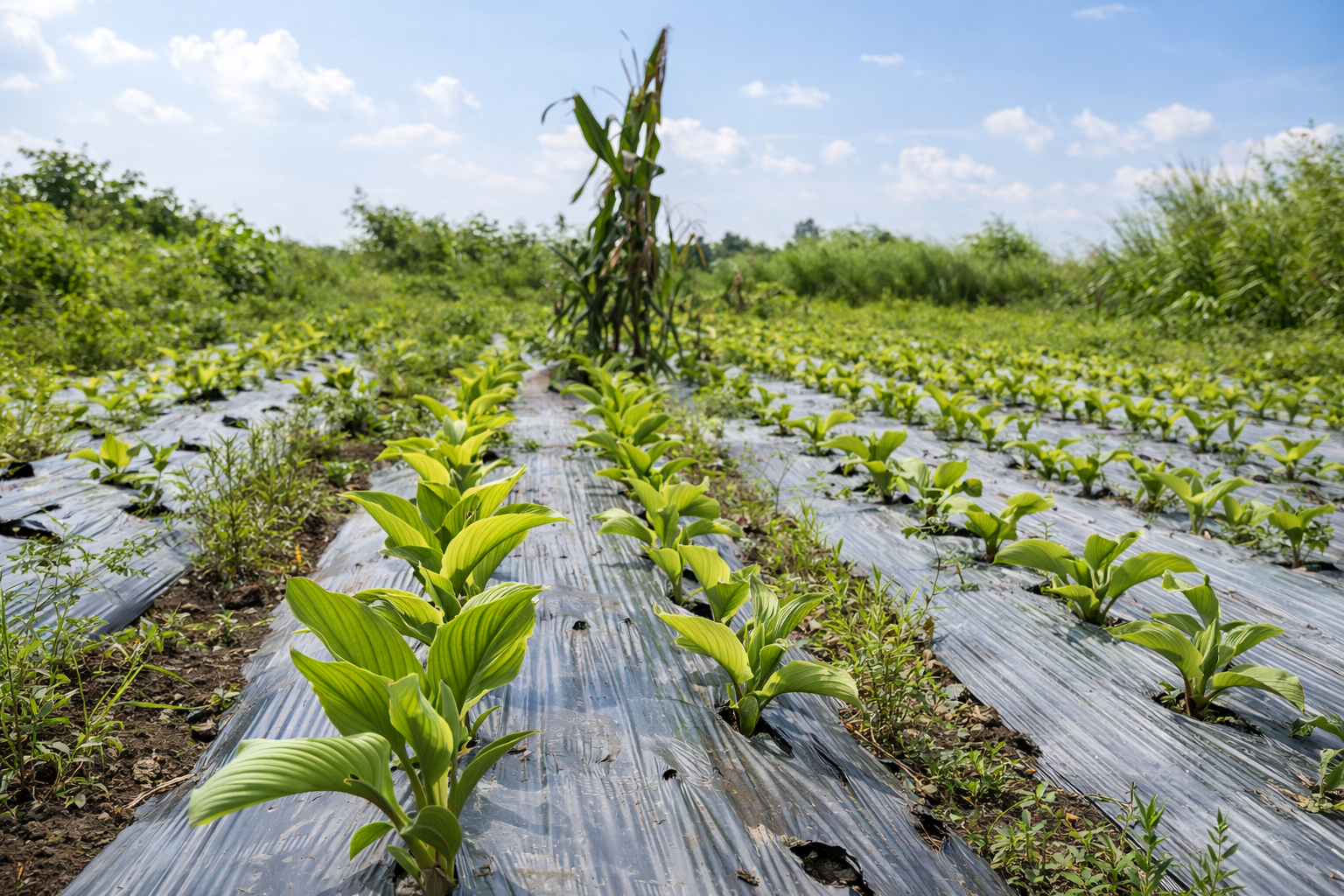
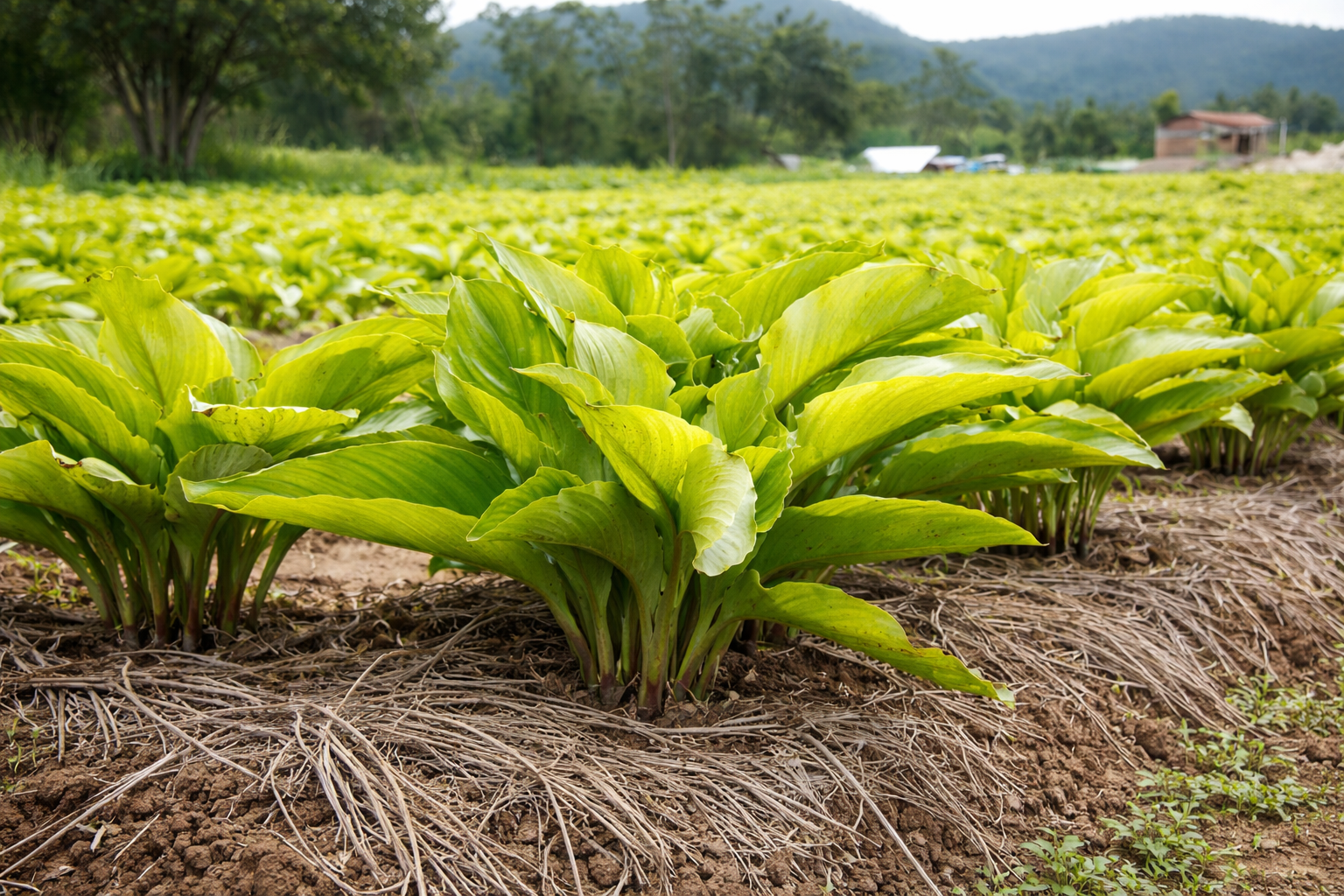
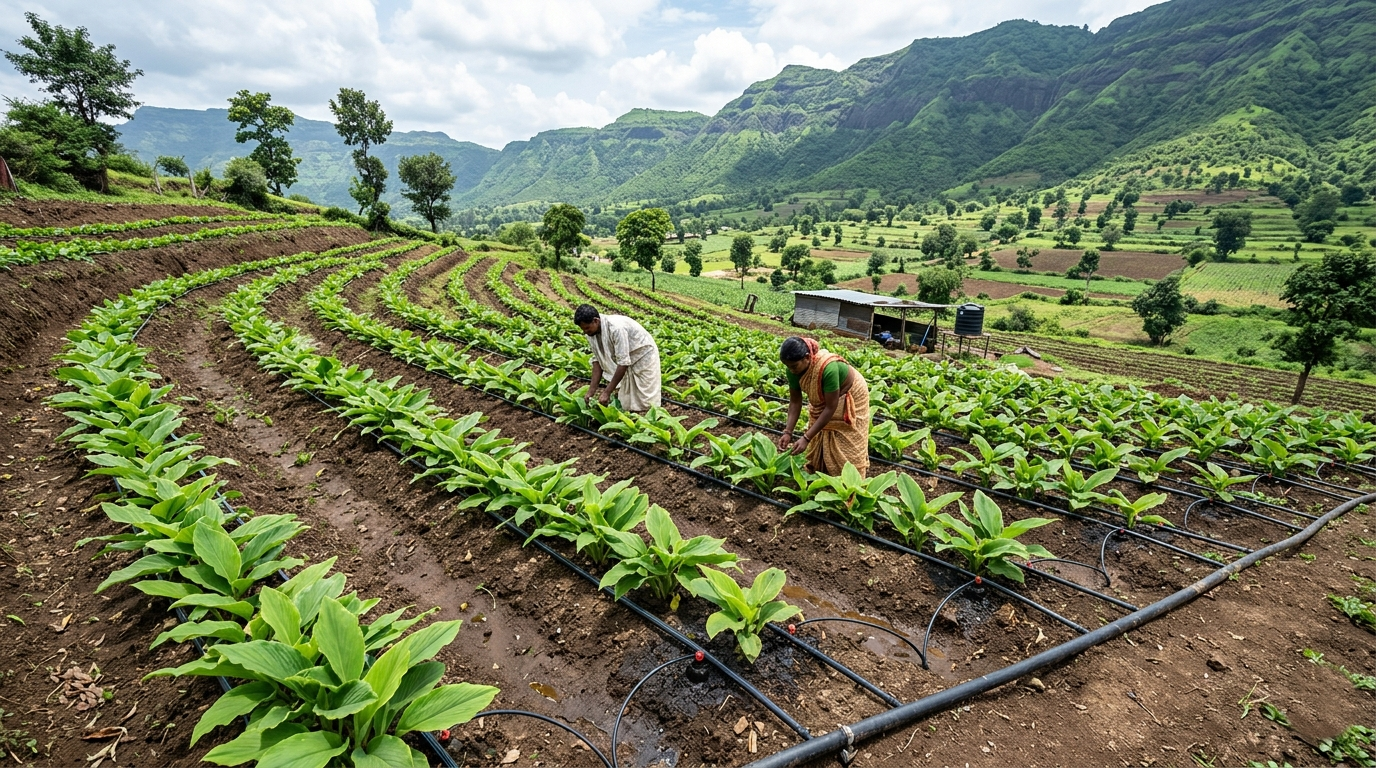
Healthy black ginger plants growing in well-managed plantation beds.
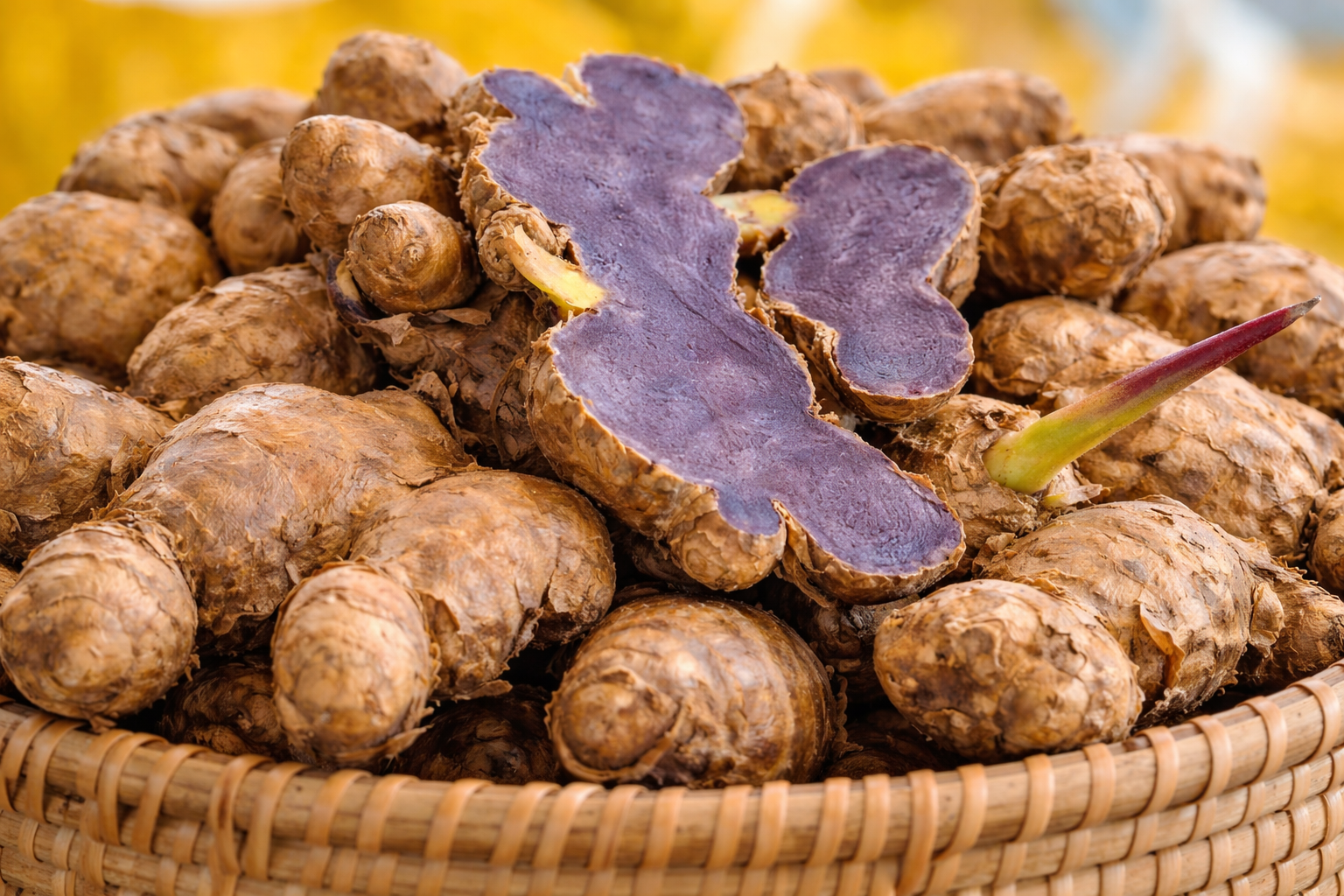
Resin Formation

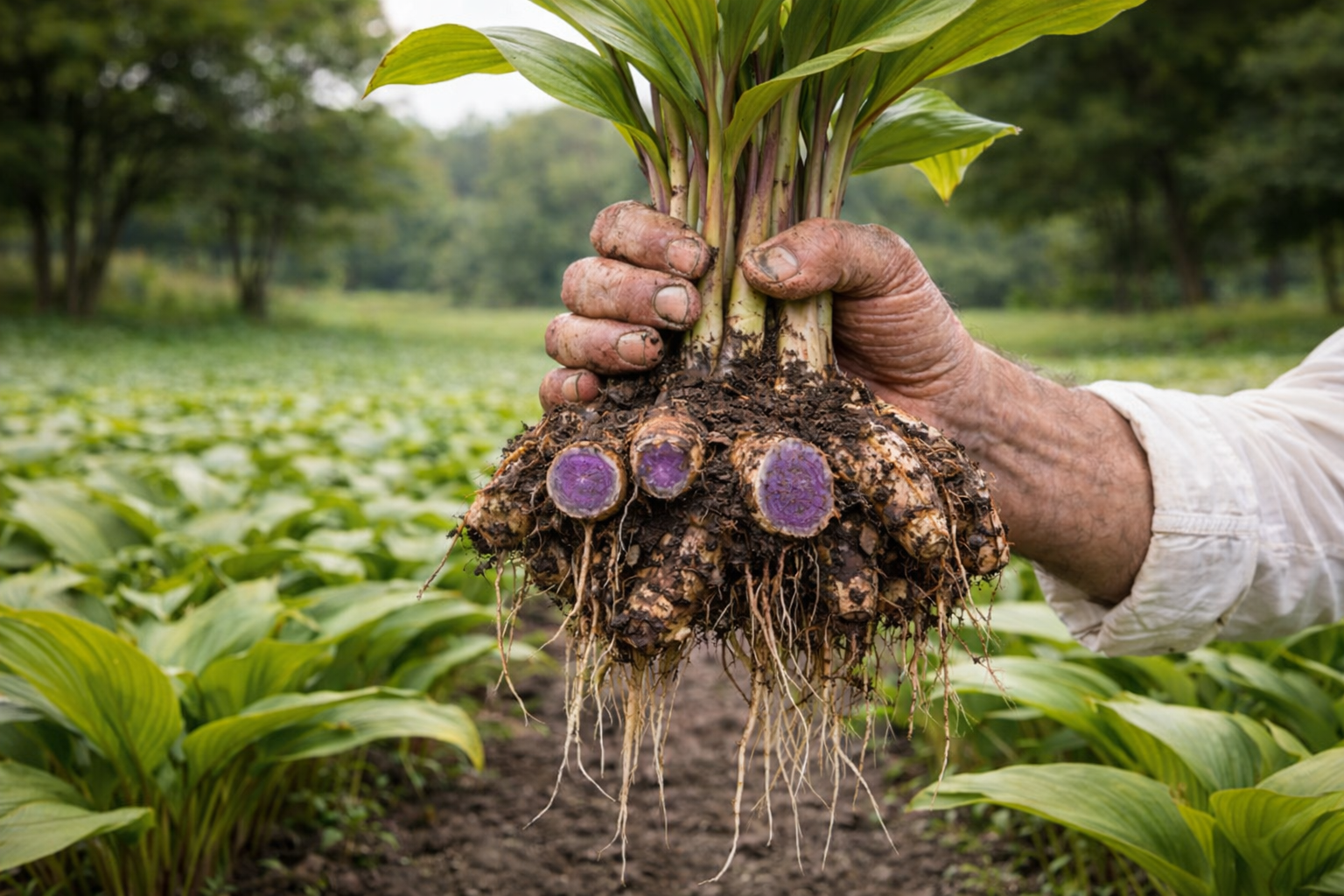
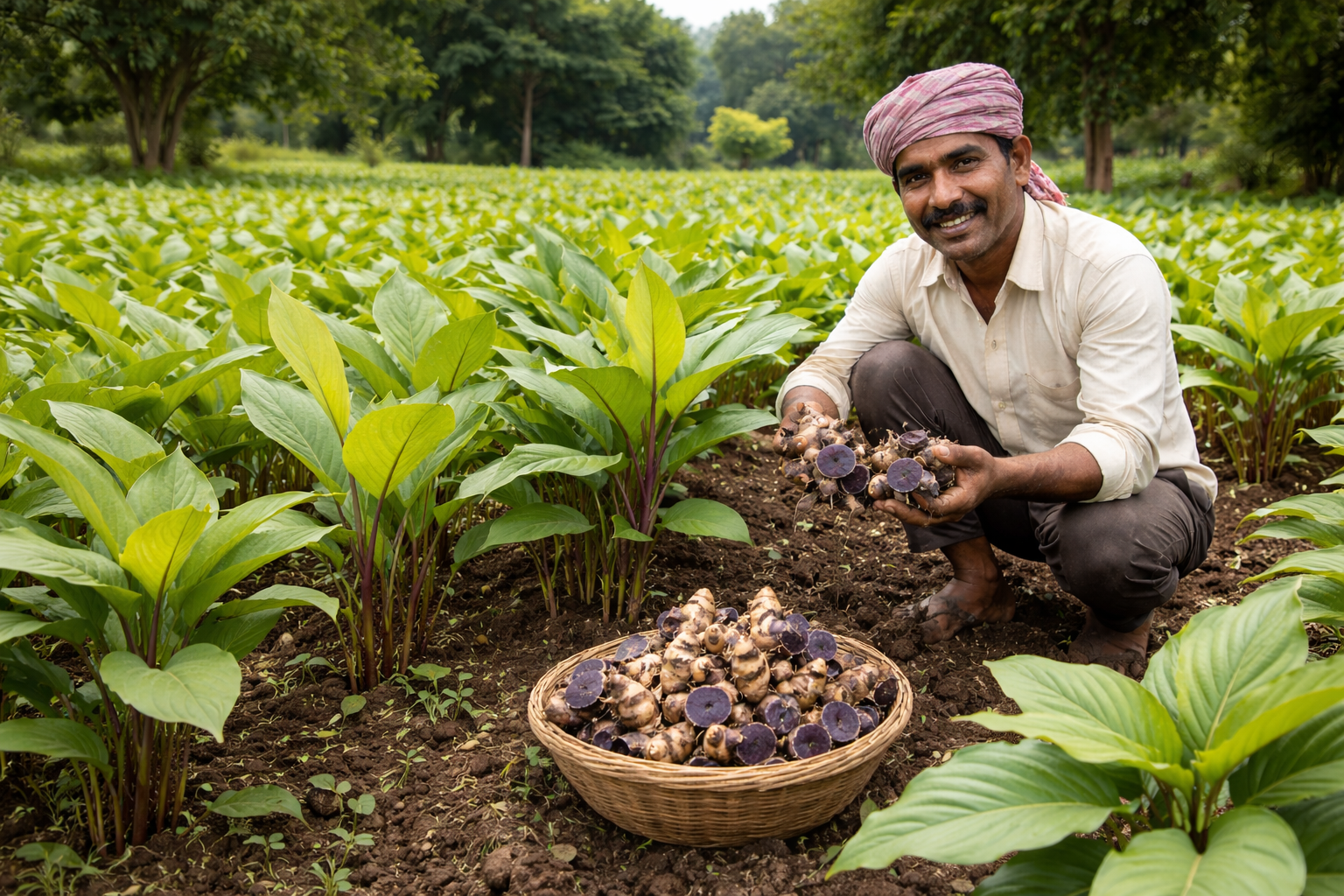
Freshly harvested black ginger rhizomes ready for cleaning and processing.
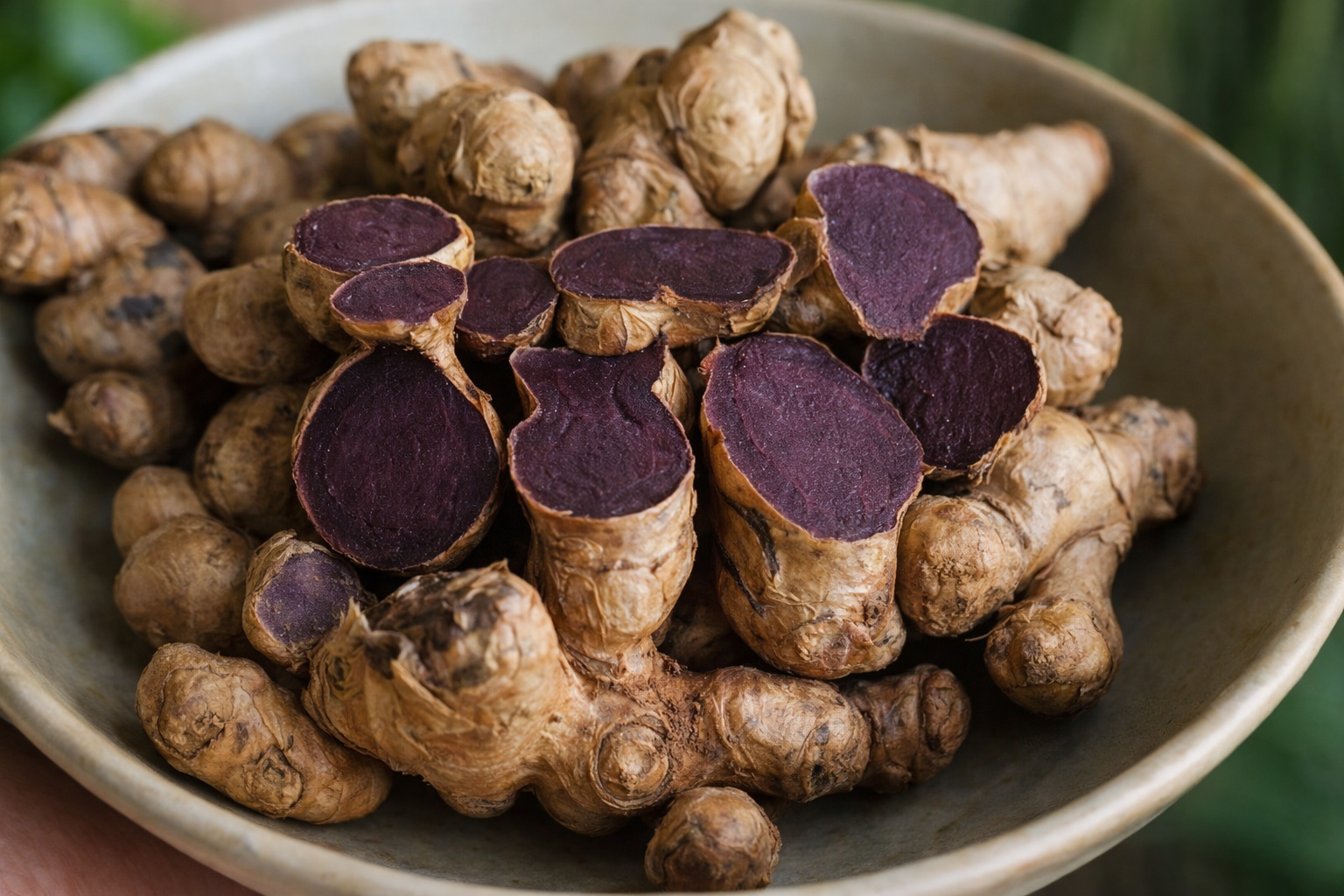
Processing

Premium grade black ginger used in herbal supplements and wellness products.

Agarwood Requirements

Sundarban Black Ginger Farms Requirements

Scientific planning and suitable growing conditions are required for healthy rhizome development and high-quality medicinal yield.

1. Climate Requirements

Temperature: Ideal range is 25°C to 30°C. Sensitive to frost and cold temperatures..

Rainfall: Annual rainfall 1,000 mm to 2,500 mm is suitable for healthy growth.

Altitude: Performs well from sea level up to 1,200 meters in tropical regions.

Humidity: Warm humid conditions promote strong rhizome formation.

2. Soil Requirements

Type: Loose well-drained loamy soil rich in organic matter is ideal.

pH Level: Optimum range 5.5 to 6.5 for healthy rhizome development.

Soil Depth: Minimum depth 30–40 cm for proper root and rhizome expansion.

Fertility: High organic matter improves yield and medicinal compound levels.

3. Land Preparation

Clearing: Remove weeds, stones, and crop residues before planting.

Ploughing: Deep ploughing and raised beds improve soil aeration and drainage.

Pit Preparation: Raised beds or ridges 1–1.2 m wide recommended.

Organic Base: Mix compost or farmyard manure during soil preparation.

4. Plantation & Spacing

Spacing: 20 cm × 20 cm or 25 cm × 25 cm between plants.

Season: Planting is best during early monsoon or spring season.

Selection: Grown from rhizome pieces with 2–3 buds.

5. Water Management

Young Plants: Maintain consistent soil moisture during early growth.

Mature Plants: Irrigate moderately; avoid waterlogging conditions.

Drip Irrigation: Recommended for commercial cultivation.

6. Nutrient Management

Fertilization: Balanced NPK fertilizers applied in split doses.

Organic Manures: Farmyard manure, vermicompost, or neem cake.

Foliar Sprays: Organic mulch helps conserve soil moisture and control weeds.

7. Pruning & Plant Care

Early Growth: Maintain healthy shoots for strong plant development.

Weed Control: Regular weeding during early growth stages.

Mulching: Helps protect rhizomes and improve soil structure.

8. Pest & Disease

Pests: Rhizome borers, aphids, and leaf-feeding insects.

Diseases: Rhizome rot and fungal infections in poorly drained soil.

Control: Neem oil sprays and organic fungicides recommended.

9. Harvesting & Post Harvest

First Harvest: 7–9 months after planting when leaves turn yellow.

Yield: Commercial farms can produce 12–18 tons rhizomes per hectare.

Processing: Clean and shade dry rhizomes after harvest.

Storage: Store in cool, dry conditions for medicinal processing.

Plantation Development Process

1

Land Preparation

Clearing weeds, loosening soil, and preparing raised beds for rhizome planting.

2

Pit Digging & Soil

Soil testing and enriching with organic compost for healthy rhizome growth.

3

Plantation & Spacing

Scientific spacing of 20–25 cm between plants for optimum yield.

4

Irrigation Setup

Installation of efficient drip irrigation for consistent soil moisture.

5

Crop Management

Mulching, organic fertilization, and regular weed management.

6

Harvest & Processing

Harvesting mature rhizomes and preparing them for medicinal markets.

Plantation Gallery

Plantation Gallery

Farm Layout & Infrastructure
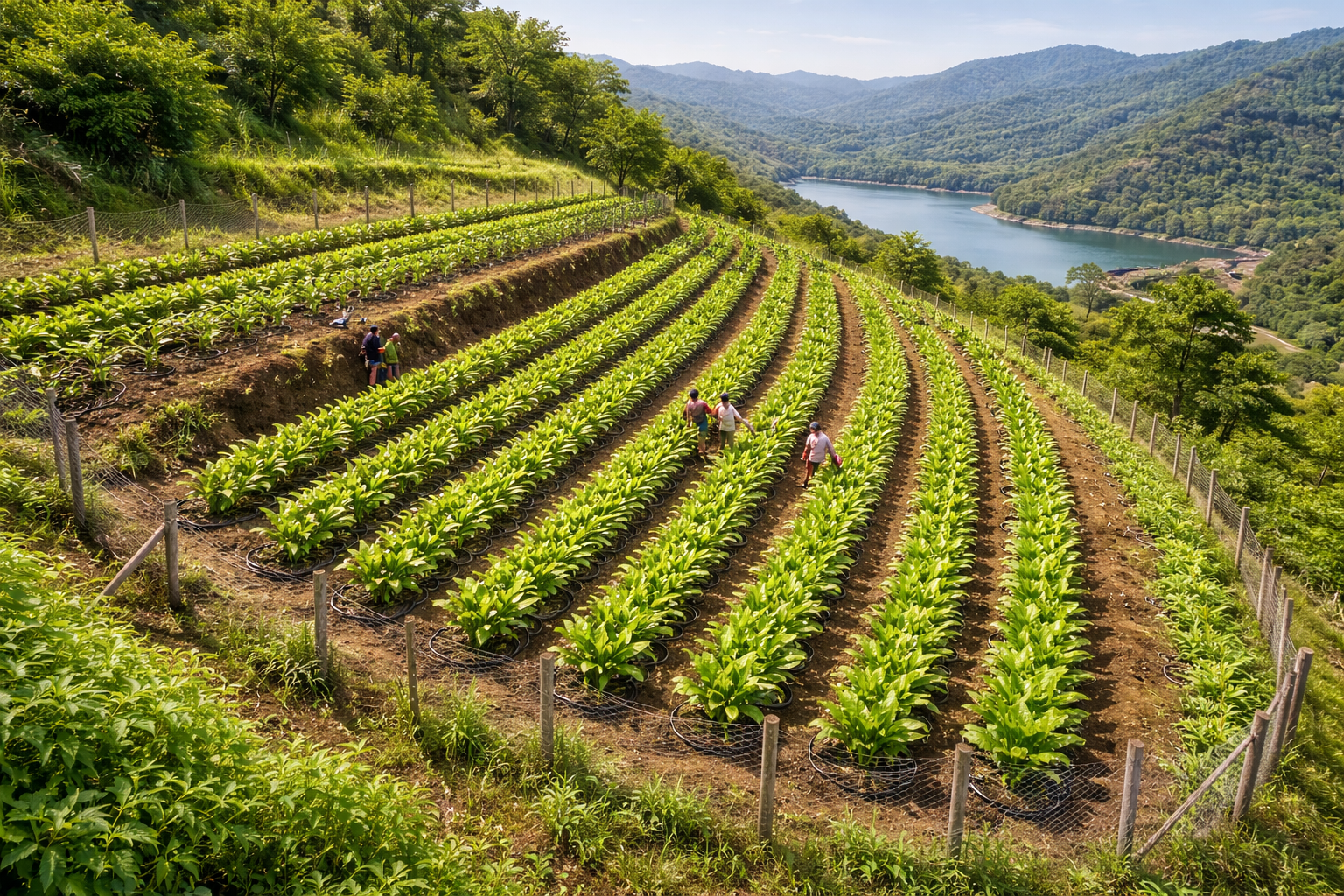
Farm Layout
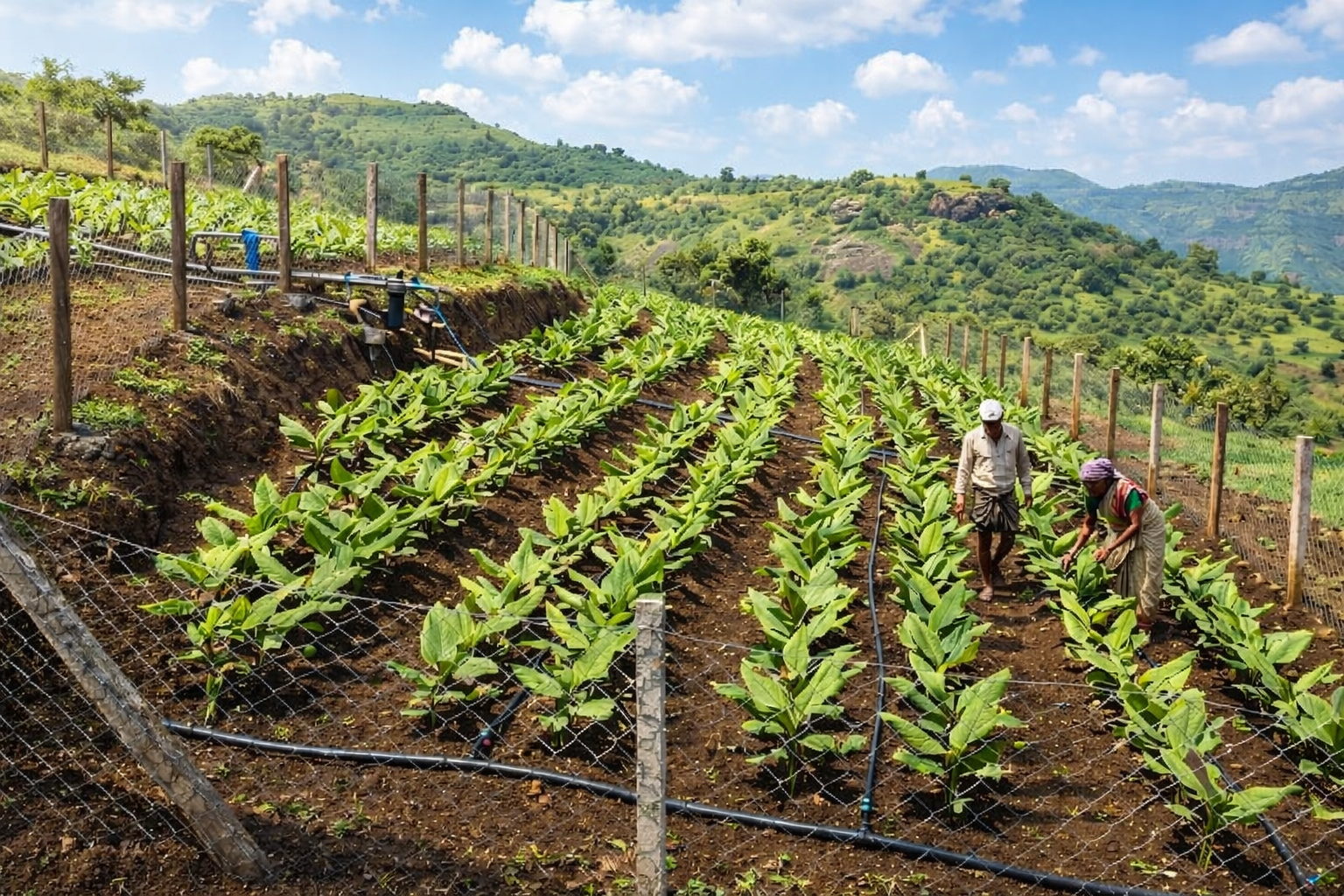
A scientifically designed plantation layout ensures optimal plant density, healthy rhizome development, and efficient land utilization. Raised beds or ridges improve drainage and prevent waterlogging, which is critical for rhizome crops like black ginger. Drip irrigation systems supply consistent moisture directly to the root zone, improving growth and reducing water wastage. Well-planned pathways and farm access routes allow smooth maintenance, easy harvesting, and efficient crop handling throughout the cultivation cycle.

Value Potential

Plants per Acre
20,000 – 30,000 plants
Harvest Period
7 – 8 Months
Global Market
Herbal & Nutraceutical Industry
High Value Crop
Premium Medicinal Rhizome
Investment ROI Potential
₹5L – ₹12L / Acre (Estimated Range)
Under good cultivation practices, black ginger can yield around 5–7 tons of fresh rhizomes per hectare, with strong value addition potential through drying, powder production, and herbal extract processing.
Visit Our FarmLands

Experience the farms personally and understand the managed plantation model firsthand.

Frequently Asked Questions

What is the Black Ginger cultivation cycle?

Black Ginger is a relatively fast-growing medicinal crop. Rhizomes generally reach maturity within 7 to 9 months after planting, when the foliage begins to dry and the underground roots are fully developed.

How many Black Ginger plants per acre?

With scientific spacing of about 20–25 cm between plants, commercial farms can cultivate approximately 20,000 to 30,000 Black Ginger plants per acre depending on soil preparation and bed layout.

Who manages the Black Ginger farm?

Sundarban Agro Farms provides complete farm management through experienced agricultural professionals including land preparation, rhizome planting, irrigation setup, nutrient management, and crop monitoring.

What is the expected Black Ginger yield?

Under proper cultivation practices, Black Ginger farms can produce approximately 4 to 6 tons of fresh rhizomes per hectare depending on soil fertility, climate, and crop management.

Can investors visit the Black Ginger farm?

Yes. Investors and visitors can schedule a farm visit to explore the plantation, understand the cultivation process, and view the infrastructure and crop development on the farm.

Let’s Build Your Farm Investment

Contact Us
First
Last