Castor Plantation
About Castor
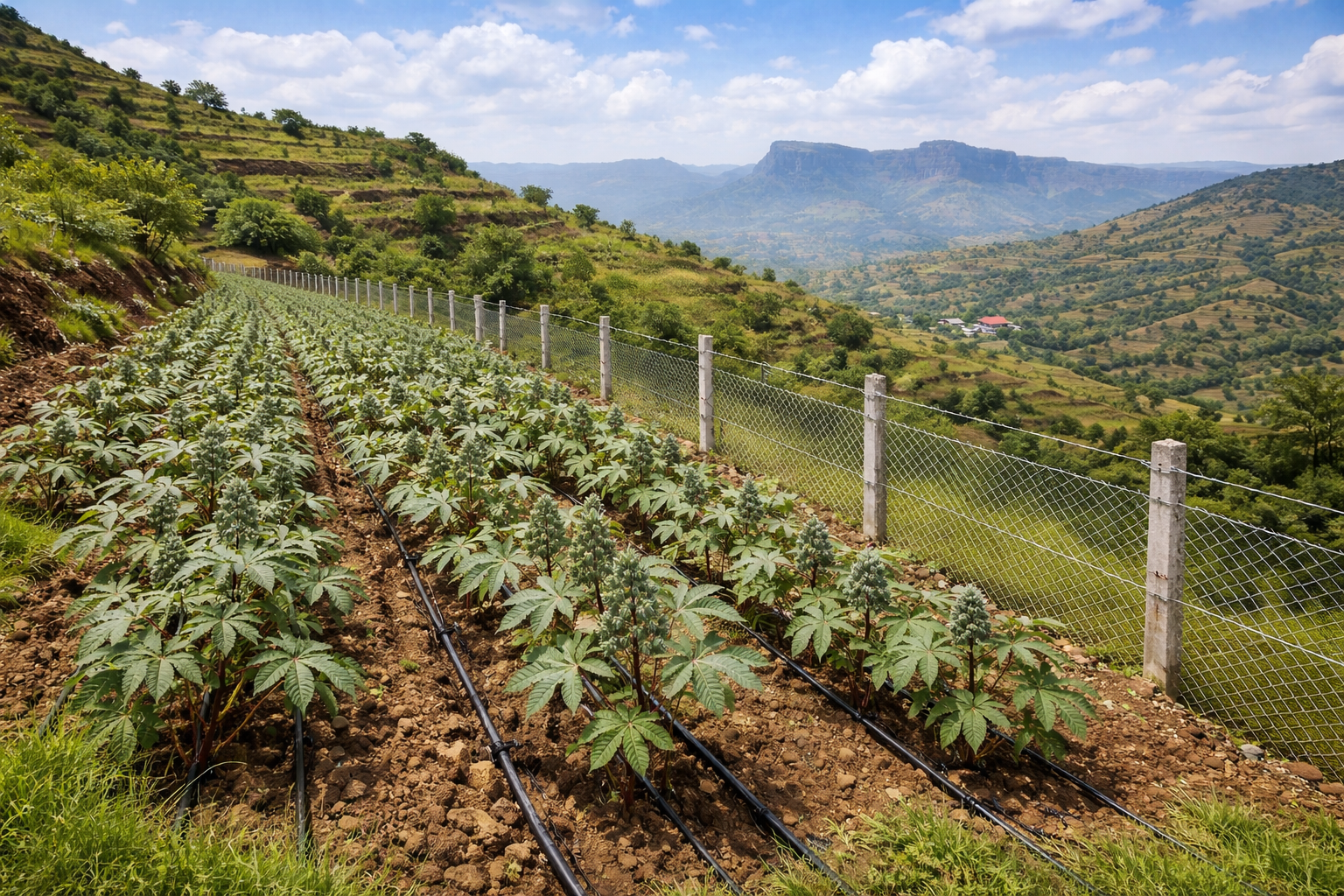
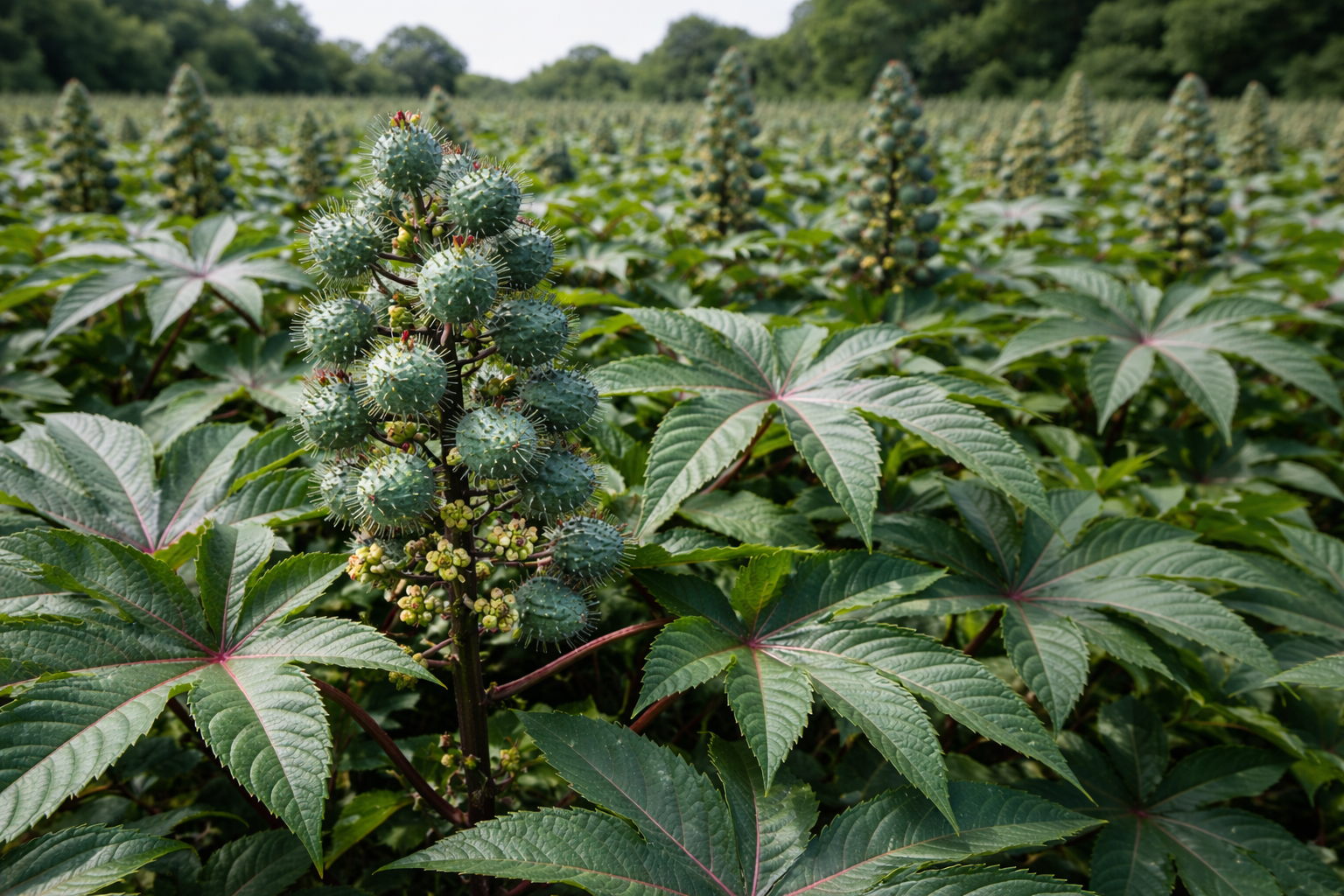
Castor is a valuable oilseed crop widely known for producing castor oil, one of the most versatile vegetable oils used in various industries. Its seeds contain high-quality oil that is used in pharmaceuticals, cosmetics, lubricants, biofuels, and industrial products. Castor plants grow well in tropical and semi-arid climates and are known for their strong adaptability and reliable yields.
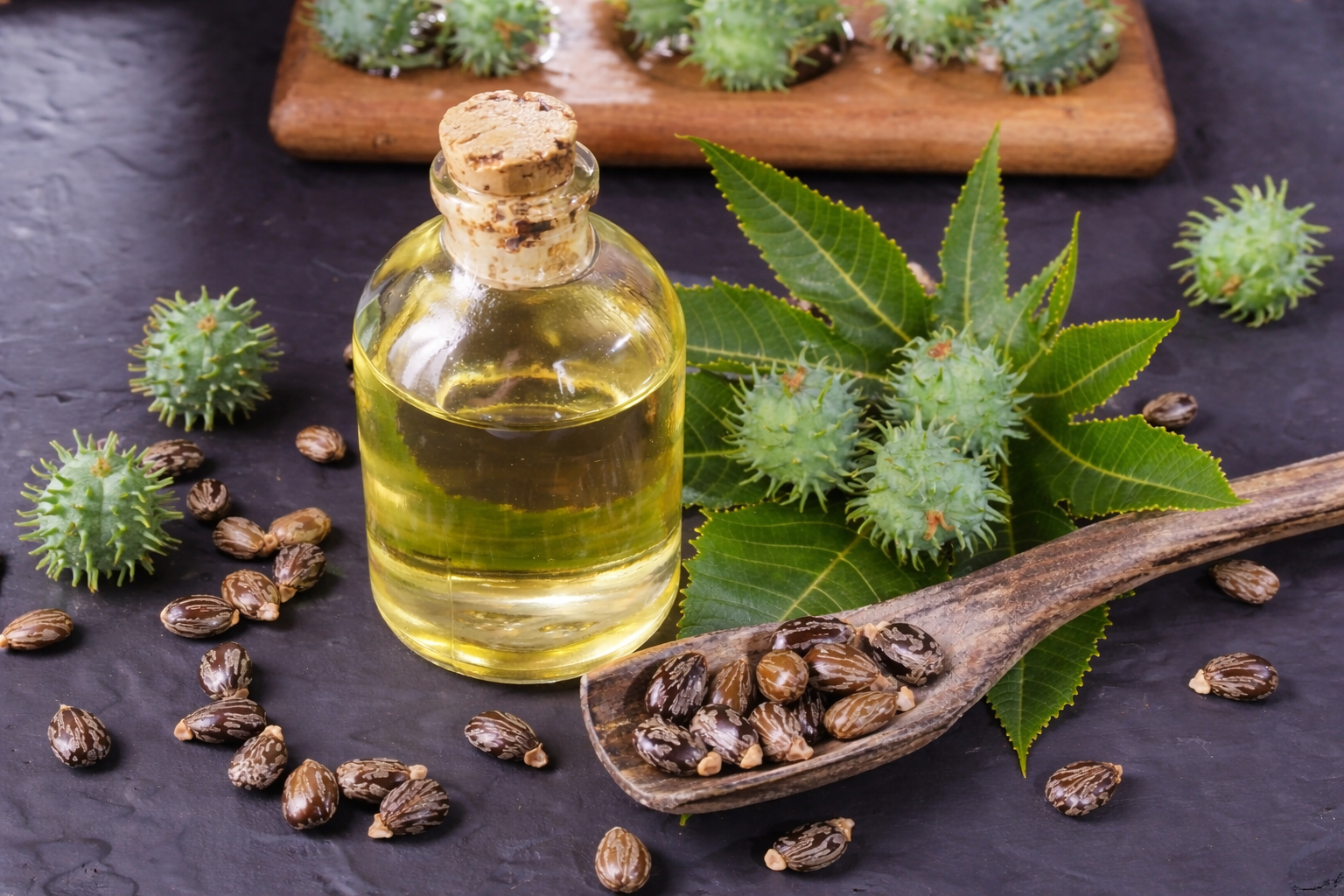
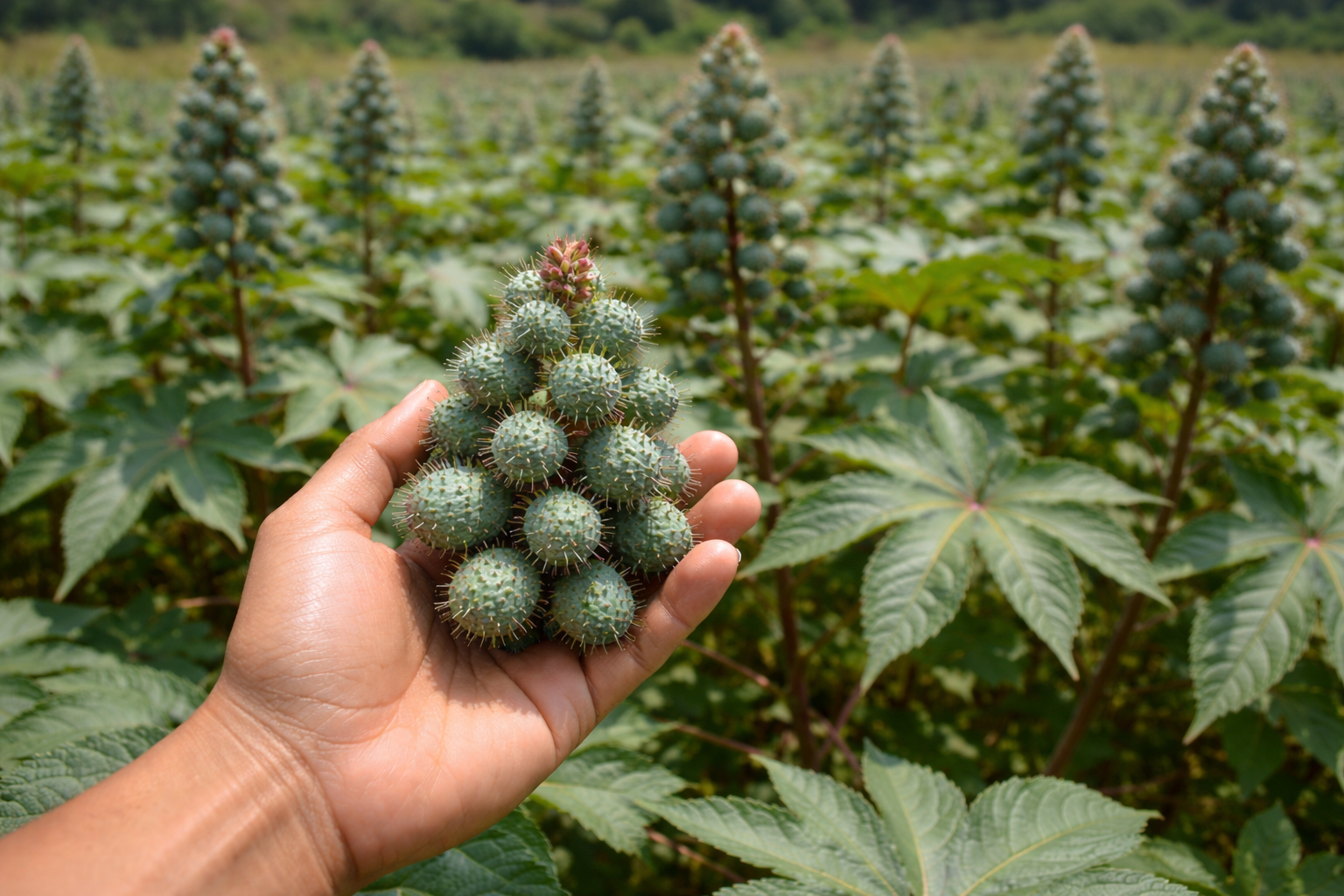
High-quality castor seeds used to produce valuable industrial and medicinal oil.
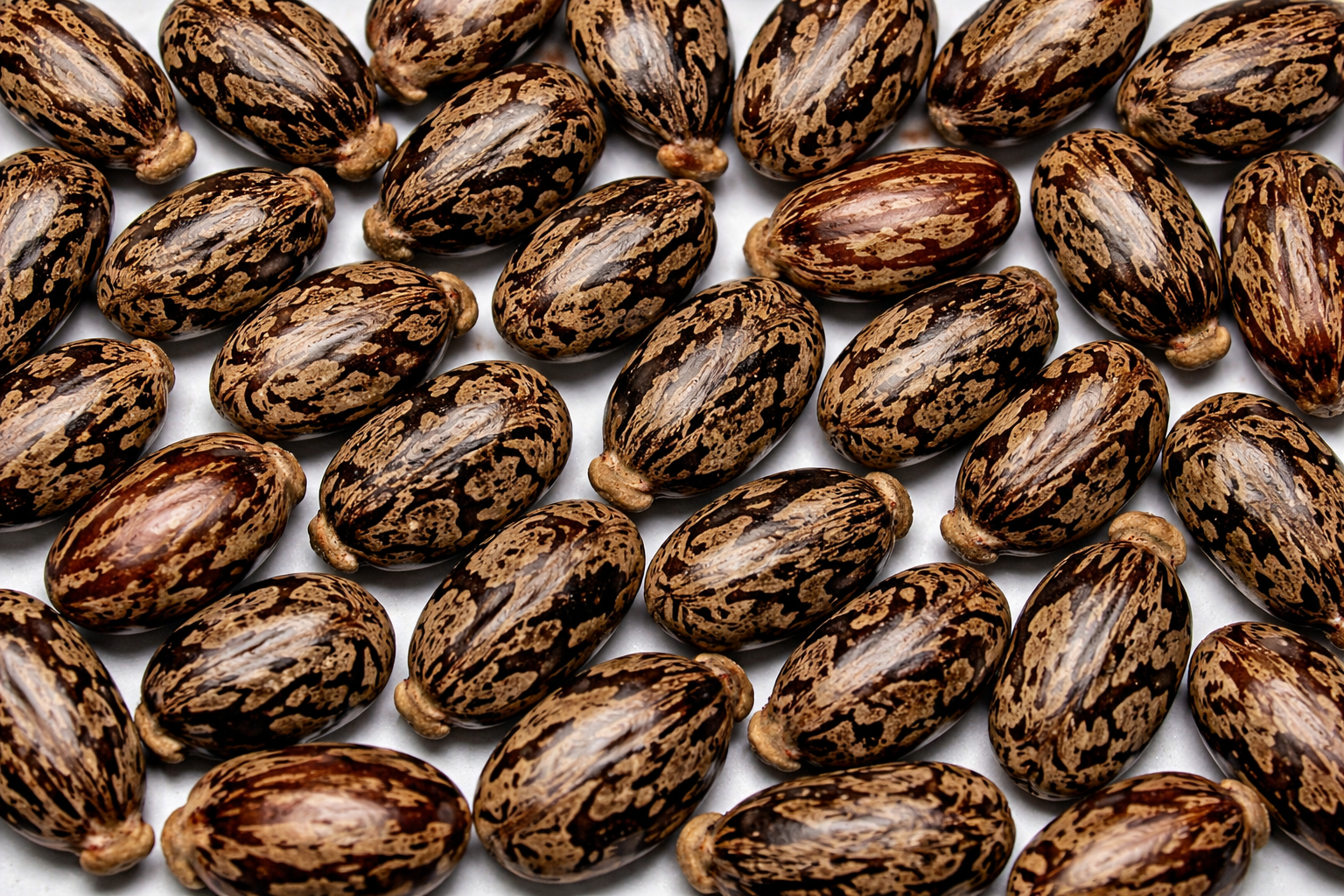
High-demand oilseed crop with growing global demand in multiple industries.
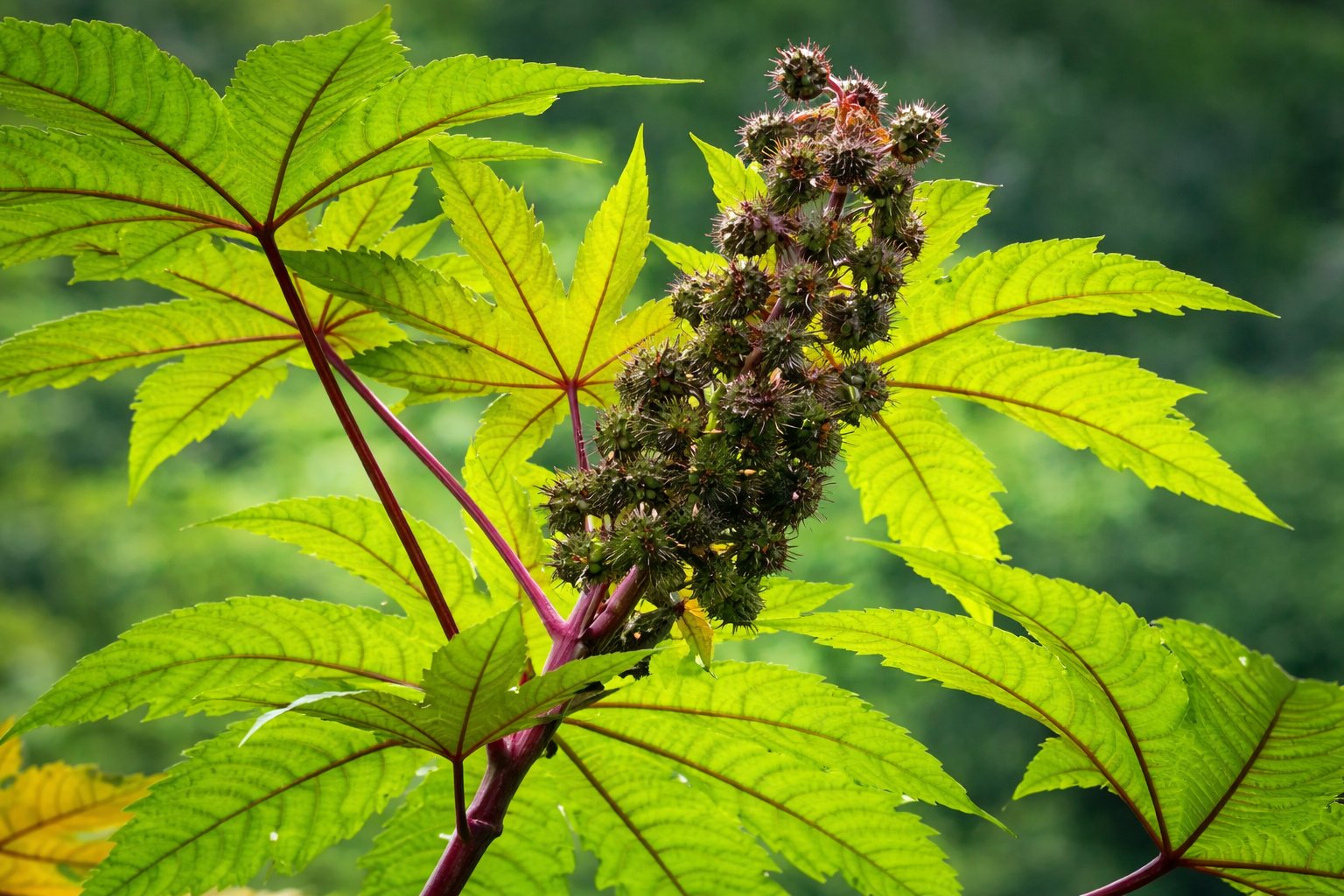
Profitable and sustainable farming with strong export and market potential.
Sundarban Castor Farming Requirements
Proper agronomic practices and suitable environmental conditions are essential for high seed yield and quality oil production.
1. Climate Requirements
Temperature: Ideal temperature range is 20°C to 30°C for healthy crop growth.
Rainfall: Annual rainfall of 500 mm to 800 mm is suitable for castor cultivation.
Altitude: Suitable for 0–1000 meters above sea level in warm regions.
Humidity: Moderate humidity with dry conditions during maturity improves seed quality.
2. Soil Requirements
Type: Well-drained sandy loam or loamy soils rich in organic matter are ideal.
pH Level: Optimum soil pH ranges between 6.0 to 7.5 for better plant growth.
Soil Depth: Minimum 1–1.5 meters deep soil supports strong root development.
Fertility: High organic matter such as compost or farmyard manure is recommended.
3. Land Preparation
Clearing: Remove weeds, stones, and crop residues before planting.
Ploughing: 2–3 deep ploughings improve soil aeration and drainage.
Pit Preparation: Raised beds of 15–20 cm height help prevent waterlogging.
4. Plantation & Spacing
Spacing: Approximately 90–120 cm × 60–90 cm spacing between plants.
Season: Best planting season is June to July or September depending on region.
Selection: Use high-yield hybrid seeds for better productivity.
5. Water Management
Young Plants: Require light irrigation during early growth stages.
Mature Plants: Irrigate during flowering and seed development stages.
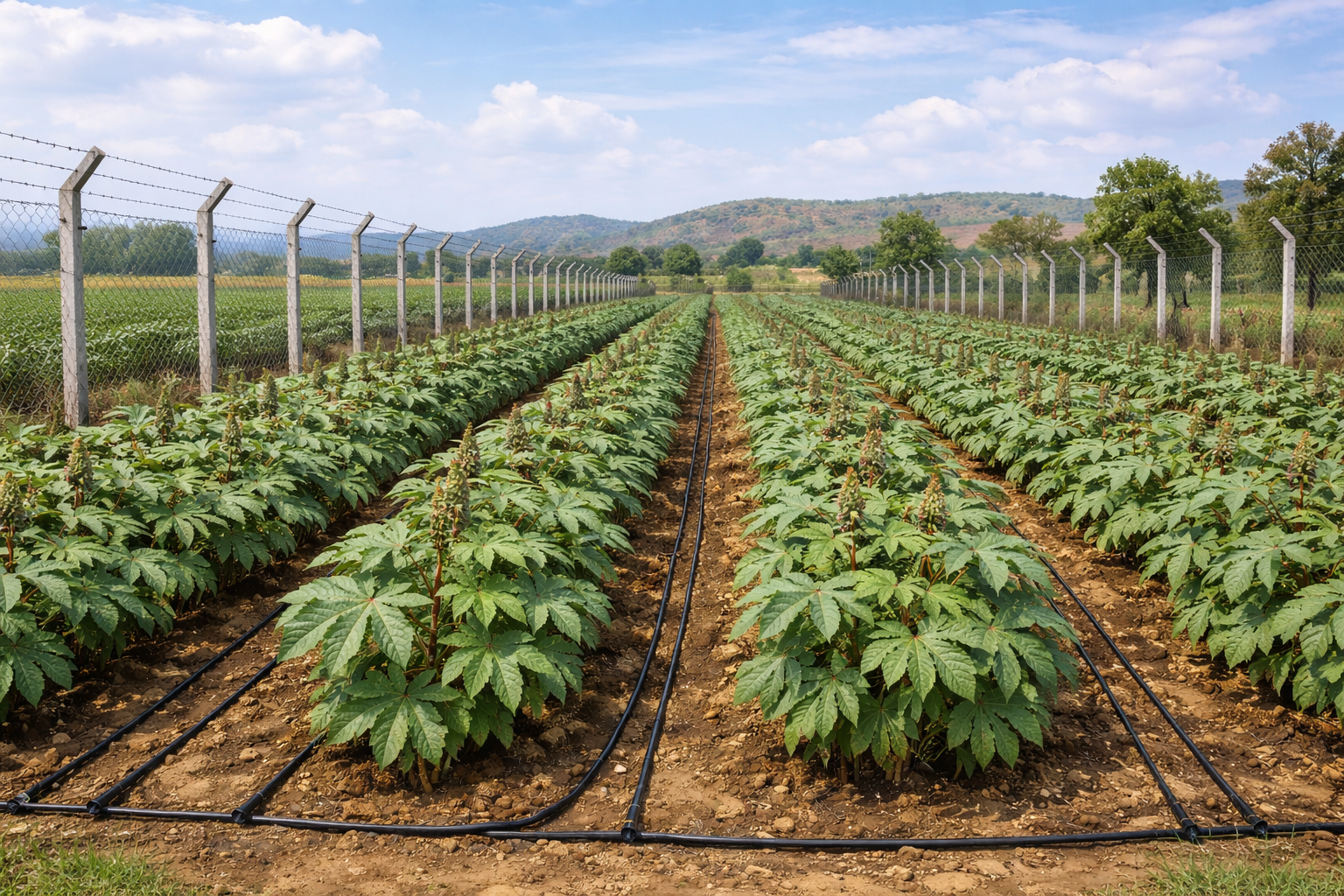
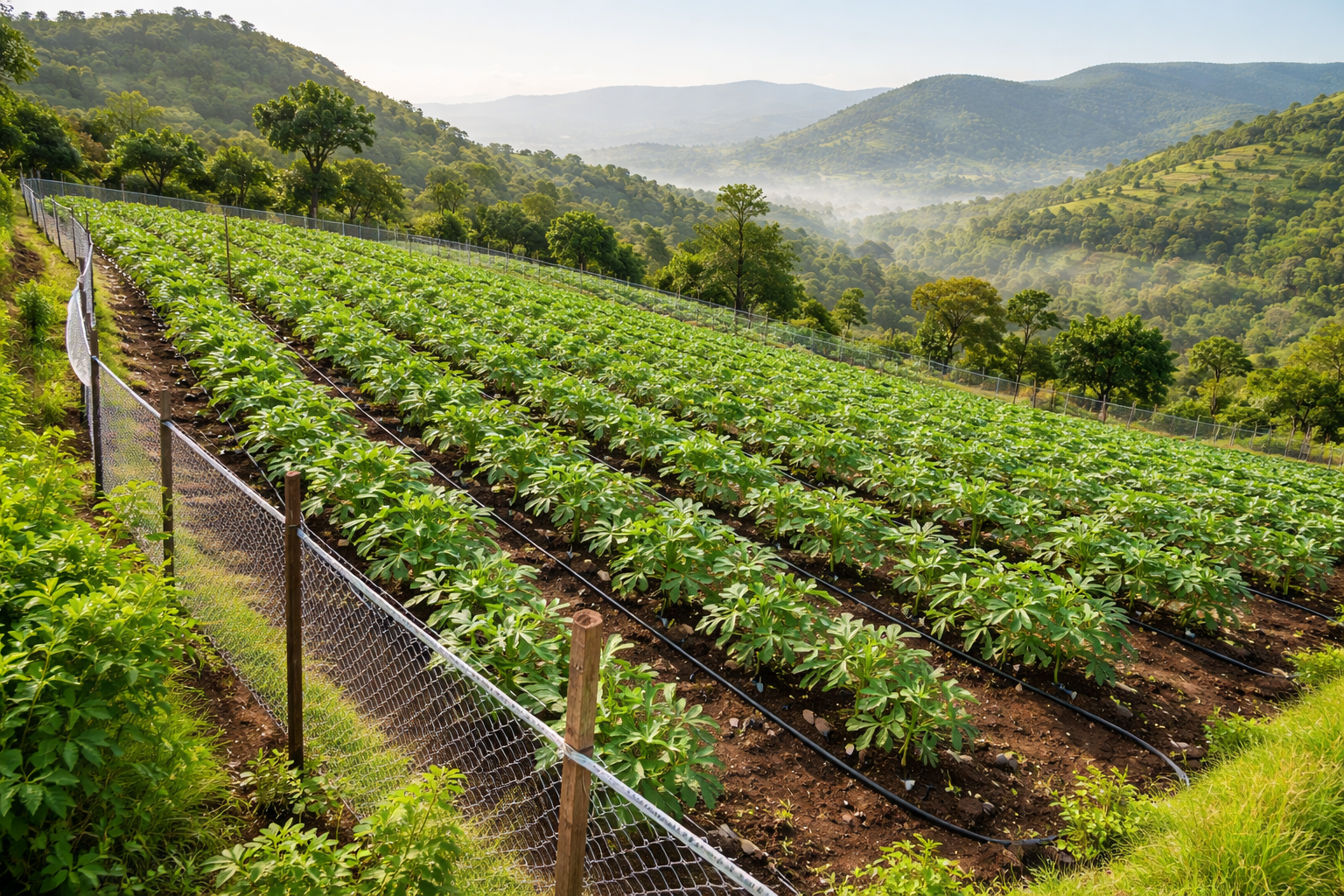
Drip Irrigation: Drip or sprinkler systems help conserve water and improve yield.
6. Nutrient Management
Basal Fertilizer: Apply balanced NPK fertilizers during early growth stage.
NPK Fertilizers: Farmyard manure or compost improves soil fertility.
Organic Inputs: Foliar sprays of zinc and boron enhance seed formation.
7. Pruning & Plant Care
Weeding: Regular weeding helps reduce competition and improves plant growth.
Mulching: Organic mulch helps conserve soil moisture and suppress weeds.
Earthing Up: Soil is heaped around plants for better root support.
8. Pest & Disease
Pests: Aphids, capsule borers, and leafhoppers may attack castor crops.
Diseases: Wilt and leaf spot may occur under poor field conditions.
Control: Use neem oil sprays and proper field sanitation.
9. Harvesting & Post Harvest
First Harvest: Usually 4–5 months after planting depending on variety.
Yield: Mature capsules are harvested when pods turn brown and dry.
Processing: Seeds are dried properly before oil extraction.
Storage: Store dried seeds in clean, moisture-free containers.
Plantation Development Process
Land Preparation
Clearing, leveling, and preparing fertile soil for castor cultivation.
Pit Digging & Soil
Testing soil and preparing pits or raised beds for healthy plant growth.
Plantation & Spacing
Scientific spacing of approximately 6,000–8,000 plants per acre.
Irrigation Setup
Installation of efficient drip or sprinkler irrigation systems.
Crop Management
Regular weeding, fertilization, and proper plant care practices.
Harvest & Processing
Harvesting mature seed capsules and drying seeds for oil extraction.
Plantation Gallery
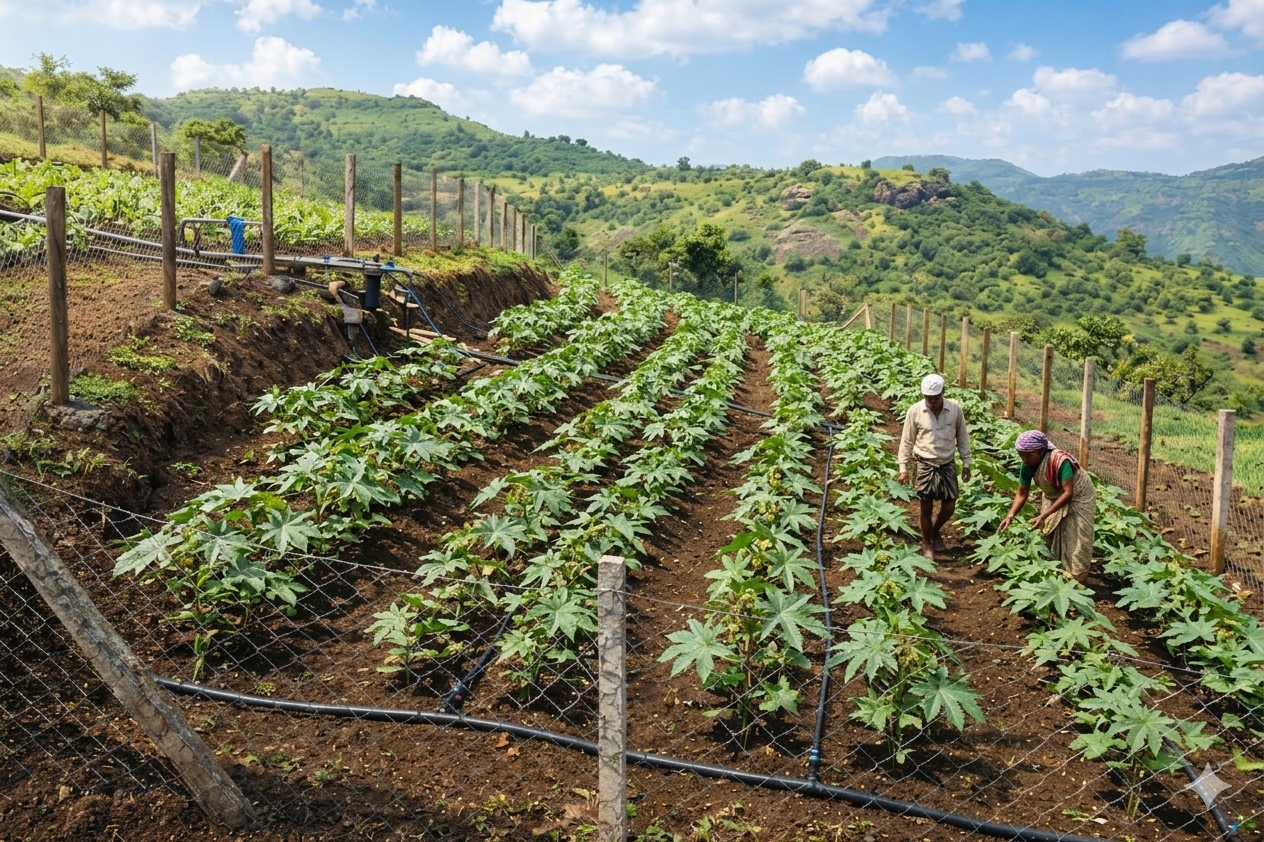
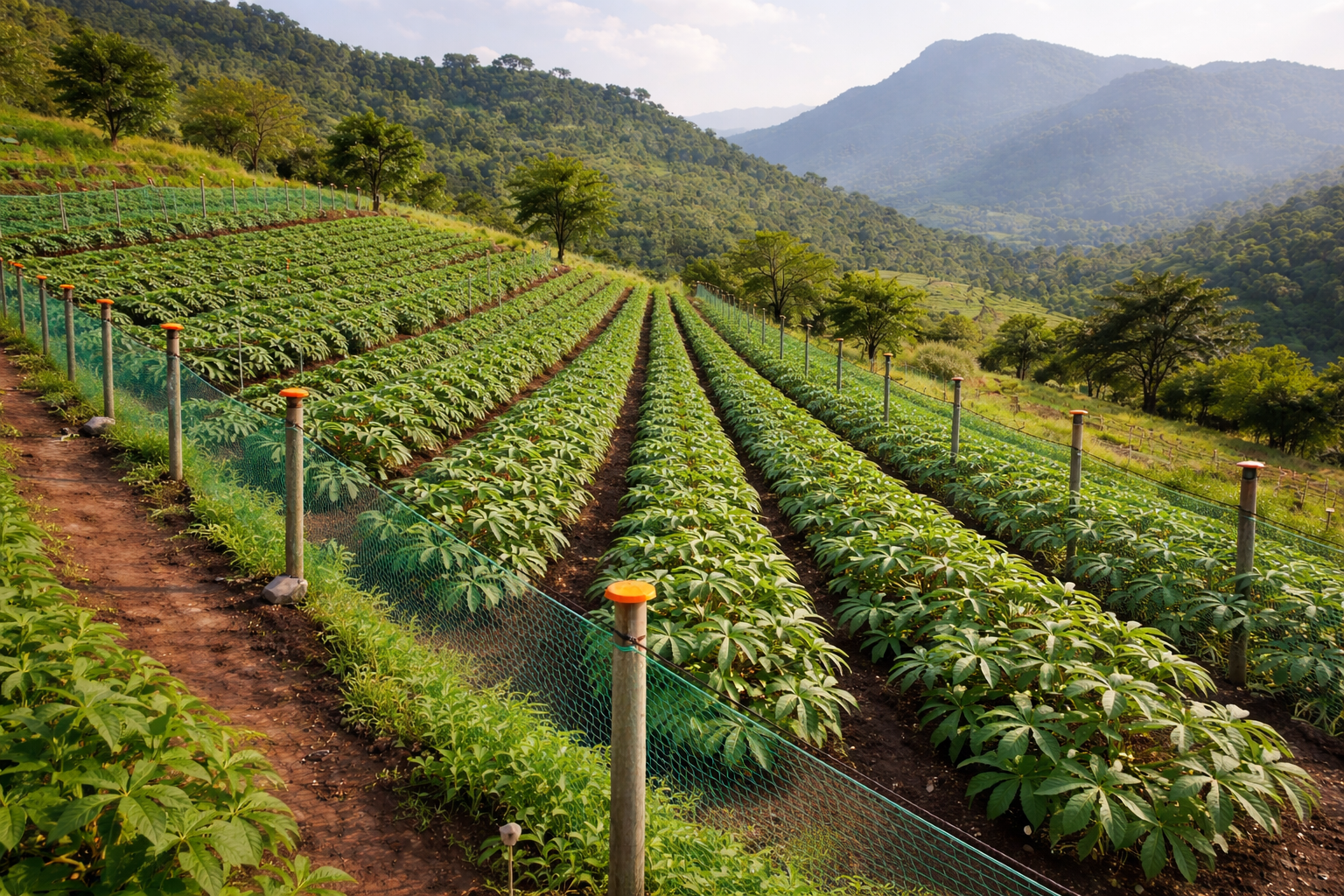
Farm Layout & Infrastructure
Value Potential
Explore Other Plantations
Visit Our FarmLands
Experience the farms personally and understand the managed plantation model firsthand.
Frequently Asked Questions
Castor is a hardy oilseed crop that typically takes around 5 to 6 months from planting to harvest. The crop develops seed capsules that mature gradually, and harvesting usually begins once the capsules turn brown and dry under proper farm management.
With recommended spacing of about 90 cm to 120 cm between rows and 60 cm to 90 cm between plants, farmers can cultivate approximately 5,000 to 8,000 castor plants per acre depending on soil fertility, irrigation practices, and plantation layout.
Sundarban Agro Farms provides complete farm management through experienced agricultural professionals including land preparation, plantation, irrigation setup, fertilizer application, pest monitoring, and regular crop maintenance throughout the growing season.
Under proper cultivation practices, castor farms can produce around 10 to 12 quintals of castor seeds per acre depending on climate conditions, soil quality, irrigation availability, and effective crop management practices.
Yes. Investors and visitors can schedule a farm visit to explore the plantation, understand the castor cultivation process, and observe the farm infrastructure, irrigation systems, and crop development on the farm.